
On a bird safari in Waterland-East
Laag Holland is rich in nature. Green meadows criss-crossed by ditches and canals, vast peat meadows and endless water. Visitors and residents enjoy this special landscape every day. However, Laag Holland has not always looked like this.
Over the years, the area has changed a lot, due to the influence of nature, but also by human hands.The peat bog area Waterland-East, direc...
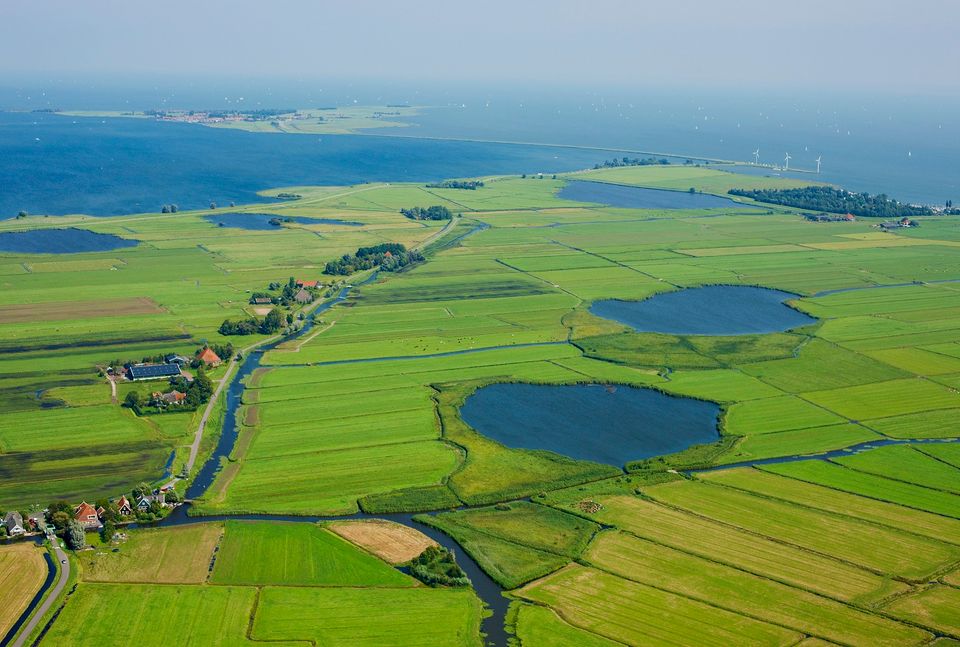
Over the years, the area has changed a lot, due to the influence of nature, but also by human hands. The peat area Waterland-Oost, directly north of Amsterdam, has a long history of development. Its direct location on the former Zuiderzee, now the Markermeer, creates unique features in the landscape. This can be seen particularly well along the former peat streams (the Dieën), which were torn wide by the tidal action of the Zuiderzee. The water from the Zuiderzee that entered the area each time took with it a layer of sea clay, which remained on top of the peat layer. Cycling through the area, you can still see remnants of dike breaches along the Markermeer dikes in the form of peat lakes and polders, interspersed here and there with a beautiful cultural-historical village or town. Residents of this special area experience the luxury of a preserved and open landscape, so close to the capital. Visitors experience Waterland as 'real Holland'.
Not only people enjoy all that Waterland has to offer. Farmers soon discovered that the wet peat soil was not suitable for arable farming and turned to stockbreeding. You can still clearly see this on your cycling tour by the many farms and cattle in the meadows. The peat soils in this area, combined with cattle breeding, make Waterland a popular breeding ground for meadow birds such as the black-tailed godwit and the lapwing. Not surprisingly, one of the first areas in the Netherlands to introduce agricultural nature and landscape management to protect the area and its meadow birds was created here in the 1980s. Almost all farms in this area do nature management. It has been instilled in these farmers from the very beginning.
Yet in recent decades, meadow birds have increasingly concentrated in nature reserves and even there numbers are under pressure. As a result, it is very important to make, and keep, optimal conditions for meadow birds in the area. Not only by applying measures on agricultural land, but also in the vulnerable peat moor reedbeds scattered through the area. These relics of a former marsh landscape are important foraging and wintering areas for migratory birds, making underwater fish stocks and flora and fauna important as food sources. These reed beds are threatened by drought and land subsidence, requiring additional measures. Through (temporary) humidification in certain areas, the aim is to restore the landscape to its cultural-historical patterns, within larger parts, more manageable nature.
The latter falls within the aims of the Nature Network Netherlands. This network of existing and new nature areas should better connect nature areas with each other and the surrounding agricultural area. This creates larger, robust nature areas in which plants and animals can spread more easily. Waterland-East, with its unique peat landscape and meadow bird area, is an important link in the network. If you cycle through the area, you will see various measures in action, depending on the time of year. You can also see all kinds of meadow birds taking off or foraging during the breeding season. Keep the bird map with you and take a good look! Will you spot them all on your bike ride?
This route was developed by Bureau Toerisme Laag Holland, commissioned by the Twiske-Waterland Recreatieschap, the Alkmaarder- en Uitgeestermeer Recreatieschap and the Province of North Holland and is part of the Intergovernmental Programme Vital Countryside.
You are going to see this
Meadow bird paradise Waterland-East
The first part of this cycle route takes you along the Hoogedijk from Volendam to Monnickendam. Here you already get a taste of how the landscape was shaped by the influence of the Zuiderzee.
Meadow bird paradise Waterland-East
The first part of this cycle route takes you along the Hoogedijk from Volendam to Monnickendam. Here you already get a taste of how the landscape was shaped by the influence of the Zuiderzee.
In a number of places along the dike there is a small puddle or lake; this is where the sea once overpowered the dike. Along this stretch, or in cosy Monnickendam, you will find fine catering establishments that are perfect for a break with coffee, cake, lunch, dinner or a drink. Did you just enjoy cycling? No problem, on the way back you will pass here again.
Past Monnickendam, you cycle straight into Waterland-East. Take a moment here to absorb the area; the peace, the space, the views, the meandering ditches... it is so beautiful here! All year round, but especially in spring, you can feast your eyes on everything that lives, blooms and breeds here. As you know, Waterland-East is a popular spot for meadow birds, but what exactly are meadow birds?
Meadow birds is the name given to birds that breed in meadows and fields. A distinction is made between primary and secondary meadow birds. Primary meadow birds actually only breed on grassland, while secondary meadow birds do so less. Primary meadow birds are mainly waders, such as the lapwing, black-tailed godwit and snipe. Some duck species and some small songbirds are also considered primary meadow birds. Secondary meadow birds include the coot and the mallard, for example; these bird species also breed in other landscapes.
To make meadow birds comfortable, a mosaic of different habitats will be created in this area. This will ensure that meadow birds find enough breeding, rearing and foraging areas with enough varied food for meadow birds and their young. This mosaic is mainly created around the Peereboom, Upper Forest and De Nes areas. Partly thanks to the extensive management of the farmers in this area, who know the land well, this area is rich in meadow birds. They take care of keeping the area open, fertilising with (mostly rough) manure which ensures good soil life, (delayed) mowing, grazing and removal of material such as reeds. Yet it also happens that agricultural activities counteract the quality of meadow bird habitats. The basic principle in this area is therefore: nature is leading, agricultural use supporting.
Cycling through the Peereboom, Opperwoud and De Nes area, depending on the time of year, you can clearly see what measures are being taken here. Curious? Cycle through quickly and read the story of the area Opperwoud and west of Dijkeinde
Peereboom
Compared to Opperwoud and west of Dijkeinde, Peereboom is a smaller area. The aim here is to create an inner dike wet landscape to make the area more involved with the outer waters of the Markerkmeer.
Peereboom
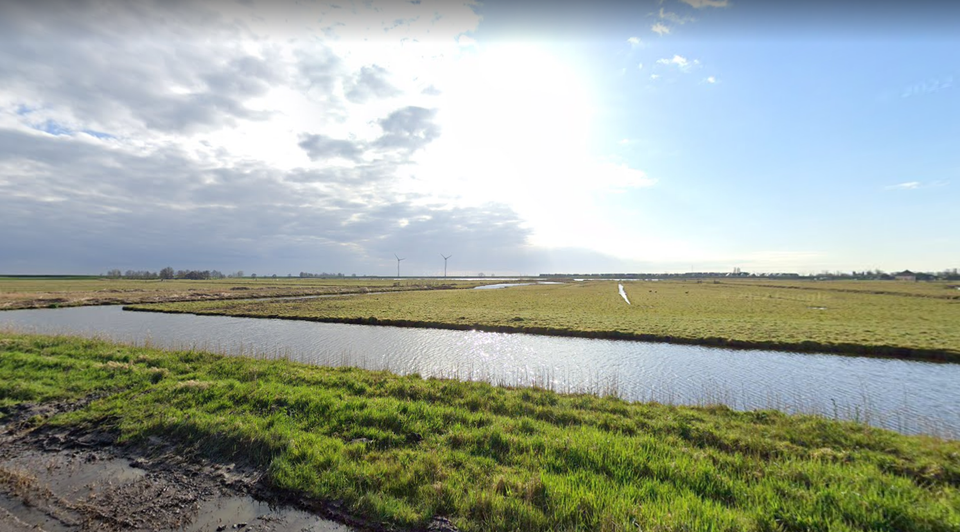
Compared to Opperwoud and west of Dijkeinde, Peereboom is a smaller area. The aim here is to create an inner dike wet landscape to make the area more involved with the outer waters of the Markerkmeer.
This way, you create dynamics, food and a good habitat for fish and birds.
Together with the farmer working in this area, we are looking at what temporary flooding of this area can do for biodiversity. This would mean flooding the plots for a maximum of three to six weeks a year, so that fish can lay their eggs here. Approximately from February to April, depending on weather conditions, during your bike ride you can no longer see the grass of the Peereboom area, but there is a large pond. After April, the water level naturally drops back to below ground level to make the plots suitable for agricultural activities again. This flooding (inundation) is done with fish-friendly pumps.
Robust nature also requires healthy water of good quality. To improve the water quality over time, ditches are dredged, banks are landscaped or restored, ditches and connections are improved and the water system is regularly flushed with cleaner water from the Markermeer. This connection to the Markermeer runs through the De Nes area.
Optional: Do you like to go bird watching? A few hundred metres away you will find the bird viewpoint over the Gouwzee. Especially in winter, this is an oasis for tens of thousands of birds such as tufted ducks, pochards and common goldeneyes.
Continue your bike ride towards junction 57 in Zuiderwoude.
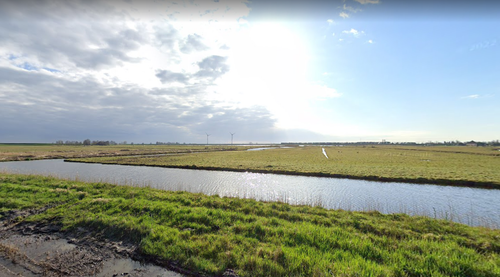
Bird viewpoint Gouwzee
From this vantage point, there are great views over the Gouwzee (the Markermeer lake).
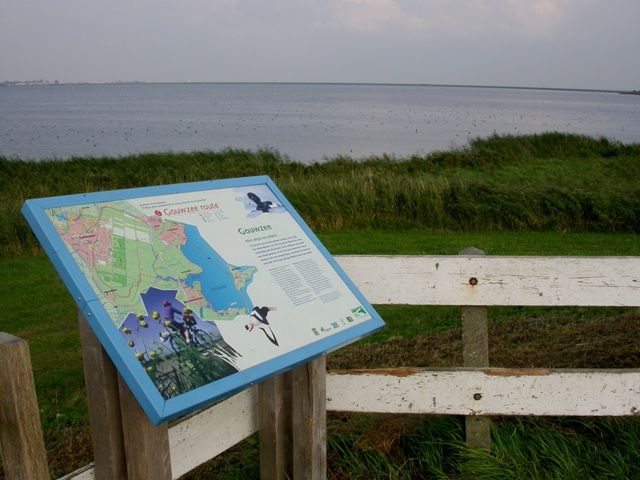
Bird viewpoint Gouwzee
From this vantage point, there are great views over the Gouwzee (the Markermeer lake).
Especially in winter, it is a haven for tens of thousands of birds such as tufted duck, pochard and common goldeneye. In late summer and early autumn, dozens of crowned ducks roost on the Gouwzee.
Ducks
We all know the mallard duck from ditches, parks and ponds in your neighbourhood. But many other unusual duck species live in the Netherlands.
Ducks
We all know the mallard duck from ditches, parks and ponds in your neighbourhood. But many other unusual duck species live in the Netherlands.
Some ducks, like the tufted duck or teal, are even considered primary pasture birds because they breed mainly on grasslands. Will you find them all on your bike ride?
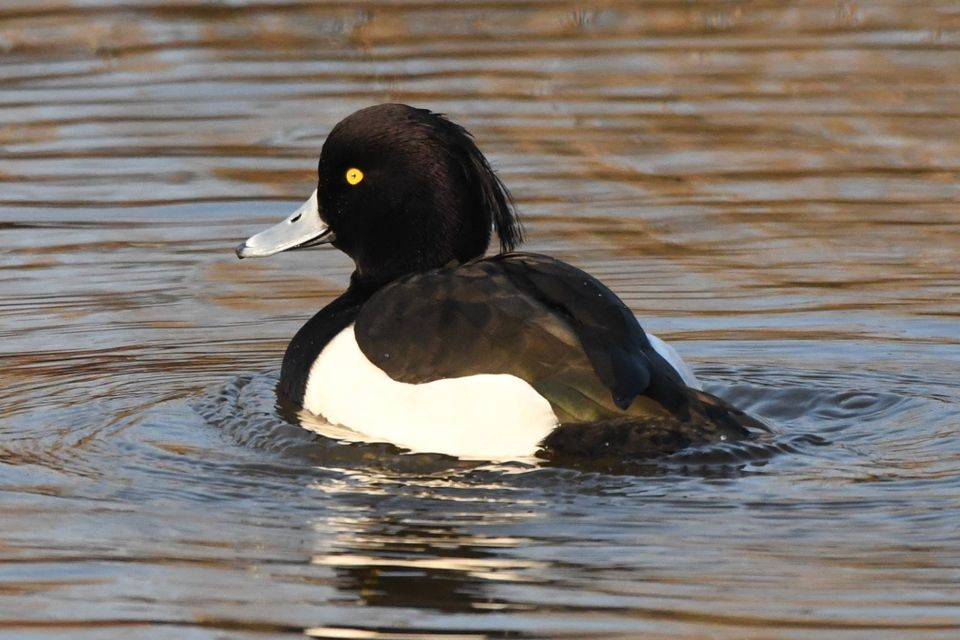
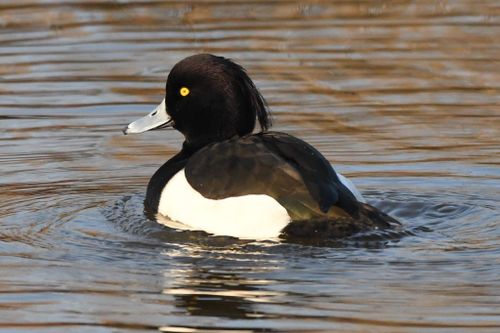
Tufted Duck
When you see this species of duck, you understand the name right away! These birds have a characteristic crest on the back of their heads. The crest of the brown-coloured females is shorter than that of the black and white males. Also striking are the bright yellow eyes of these ducks. When they extend their wings, you can see the white stripe that runs across the flight feathers. These ducks can also be recognised by their sound: Males make high-pitched whistling, gurgling and trilling sounds while courting. Females make a low "raah-raah". The tufted ducks you find in the Netherlands in winter have come over from central and northern Europe. The crested ducks that do migrate to warmer places leave around September and return around April.
Gadwall
The gadwall already looks more like the duck we know from cities, parks and ditches. This is not surprising, as the gadwall is closely related to this wild duck. The females, in particular, closely resemble the mallard duck females. Yet there are a few points to distinguish them: the white transom, the white belly and the orange bill. Males have a brown head and a black abdomen with a light brown tail tip, otherwise they are grey with fine markings. The shoulder feathers are remarkably long and it has a grey-black bill. Male squat ducks make high-pitched feep sounds during courtship, alternating with a dry "è". Females make snatches. In winter, gadwall migrate south.
Shoveler duck
You may not easily come across the Shoveler in Waterland. Since the 1960s its numbers have declined significantly, seriously enough to end up on the red list of breeding birds. But they are still around, and when you spot them, they are beautiful to behold! Males have a bright green head, white breast and chestnut-brown belly and flanks. If you see them flying, you may be able to see the light blue inside of the forewing. Also characteristic is the broad, flat, spatula-shaped beak with which the Shoveler efficiently slobbers duckweed and aquatic animals. Male shovelers make a strange, low guttural sound, but females have a distinctive double croak. The shoveler arrives in the Netherlands from March and leaves again between September and October.
Garganey
The garganey is also a vulnerable species in the Netherlands. Its numbers have declined by as much as 90% since the 1950s. This puts the garganey on the red list of endangered bird species. Males have a purple-brown head with a distinctive white bow running from their eye across their neck. The breast is brown with an unusual pattern, the flanks are finely grey banded and the shoulder feathers are black and white with some blue. The male has a distinctive dry, short, croaky call, a little frog-like. Female has a high-pitched croak. The summer teal can be found between March/April and July in the Netherlands.
Upper Forest and west of Dijkeinde
In the Opperwoud area and west of Dijkeinde, there is intensive farming in several farms. Therefore, only the meadow bird objectives and improving water quality are targeted here.
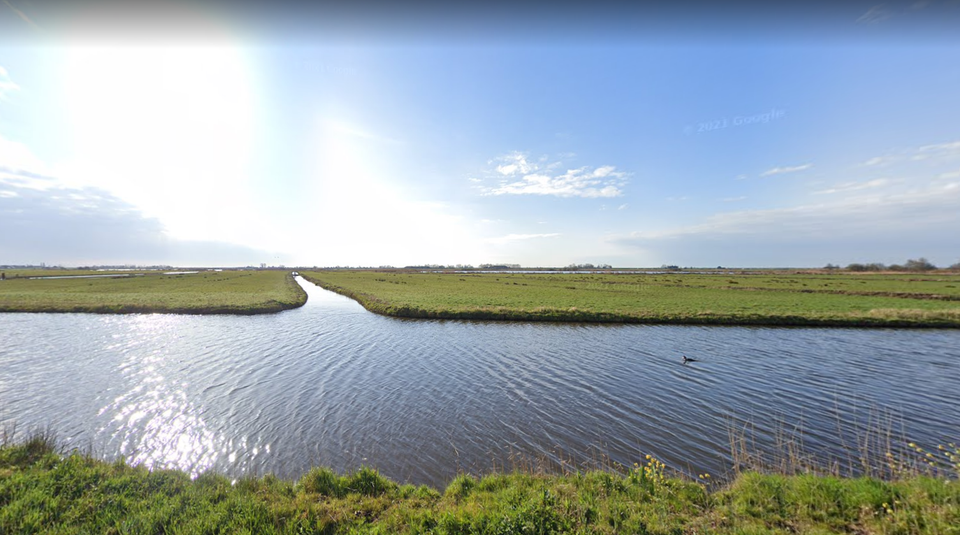
Upper Forest and west of Dijkeinde
In the Opperwoud area and west of Dijkeinde, there is intensive farming in several farms. Therefore, only the meadow bird objectives and improving water quality are targeted here.
Here too, different types of habitats are created as a mosaic. To allow farmers to do their work, a groundwater level is maintained below ground level. Ditches in the land are repaired or improved and carry water throughout the year, keeping the soil generally moister. The meadow birds like this, as it makes it easier for them to access the food found in the soil. This is not done in the same way everywhere in the area; different pieces of land sometimes require a slightly different approach.
Groundwater level is an important part of this area. Raising it too much is not desirable here, as farmers will no longer be able to access the land with their cattle and vehicles. However, the possibility of maintaining a relatively high level during the breeding season is being considered. In February, the level is then raised to a maximum of 5 centimetres above ground level, after which it naturally subsides again to a maximum of 40 centimetres below ground level around the end of June.
This game mainly takes place underground, but at some times of the year you might be able to see the humidification of a meadow here and there. During your cycle route, can you spot what is happening?
Farmers and meadow birds
You must have noticed while cycling that there are an awful lot of farms in Waterland. The meadows in Waterland-East are almost all managed by farmers.
Farmers and meadow birds
You must have noticed while cycling that there are an awful lot of farms in Waterland. The meadows in Waterland-East are almost all managed by farmers.
These farmers are therefore important for maintaining the meadow bird population. Many management measures that are good for these species require an extra effort from farmers. They receive compensation for their extra work through Agricultural Nature Management. Farmers mow later in the year, for instance, so that the meadow birds' eggs have time to hatch. They can also spread the rough manure from their stables on their land to promote calm and herb-rich grass growth. Manure also provides insect-rich soil life, which the meadow birds feast on. Foxes and other predators are also a major threat to meadow birds as they like to eat the eggs and nestlings. The construction of fox grids should keep the fox away from the field where the meadow birds breed.
Many farmers sacrifice a plot on their land to create a puddle-drace. From this point, you have a beautiful view of such a puddle-drench. As you can see, a piece of land has been flooded and around it grows beautiful herb-rich, diverse grass. Here the meadow birds can more easily access the food in the soil and these puddle-drats serve as foraging areas. Can you see the meadow birds foraging for food?
Meadow bird farms
Since 2020, two dedicated meadow bird farms have been established in Waterland-East. These are farms that have been actively working for meadow birds for many years. These two farms are given 15-year management contracts, giving them the chance to make a difference in the long term as well.
One of these farms is the farm of Cees Hardebol from Broek in Waterland. Cees has a farm in the Belmermeer with boarding stables for horses (Stal Baco). He also has sheep, beef cattle and rents out whisper boats.
Since childhood, Cees has had a great affinity for meadow birds. His father was already actively involved and Cees was kindled by him. He makes sure his plots, some 20 hectares, near the farm are all set up for meadow birds. He is installing a fox grid, has raised his water level, is spreading rough manure, has sown herb-rich grassland and has set up a number of ditch puddle terraces. Also, some plots have a rest period with delayed mowing in the breeding season while on other plots extensive grazing is practised. All these measures create the mosaic management that is so important for meadow birds.
And it shows because they love coming here. Regular visitors include black-tailed godwit, lapwing, redshank, oystercatcher, wagtail, yellow wagtail, snipe and skylark. Have you seen them around the puddle-wash or above the field?
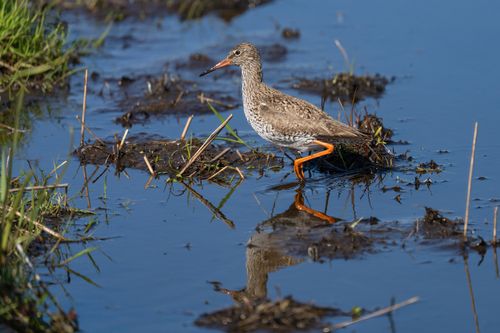
Waders
The name actually says it all, waders are birds with long, thin legs, often paired with a long, thin beak.
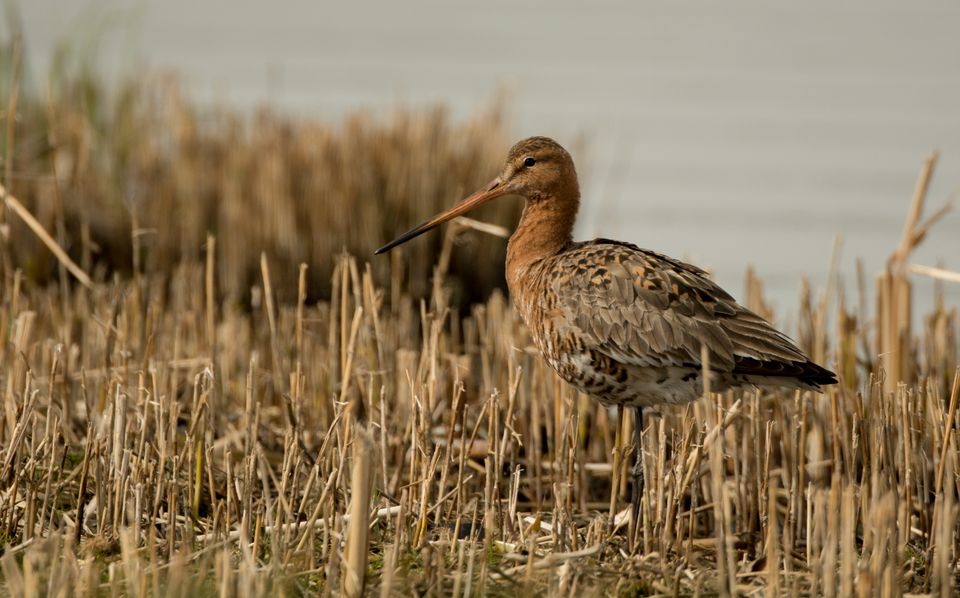
Waders
The name actually says it all, waders are birds with long, thin legs, often paired with a long, thin beak.
This makes these birds ideally suited to swampy moorland landscapes, where they can root deep into the ground with their long beaks. These are the birds that many people consider the typical meadow birds. Can you find them all?
Black-tailed godwit
The black-tailed godwit is truly an archetypal Dutch meadow bird. It was even voted the national bird of the Netherlands in 2015! It is indispensable, with its tall, slender legs and long, pointed beak. The name godwit comes from its call; a loud and clear 'gruttooo, gruttooo'. The bird is brown in colour, with a white belly. The male has a brick red colour on his neck and head. The black-tailed godwit is often seen flying, in the breeding season during courtship flights or to protect their young from birds of prey. If you look closely, you will see its belly with black and white bands, the thick white wing stripe and the legs sticking out at the back. The black-tailed godwit is best seen between February and July/August.
Oystercatcher
Oystercatchers are black and white birds on high legs. They are best recognised by their bright orange bill. This beak is quite special, as it changes shape! In summer, it is more pointed, so the oystercatcher can easily poke around in the ground for worms and other food. In winter, when the oystercatchers leave for the Wadden and Delta regions, the beak becomes blunter. This allows them to use the bill as a chisel, to break open cockles and other shellfish. Flying, the oystercatcher can also be recognised by its black and white tail and the white stripe across its wings. Or do you hear it shrill "(to-)piet!"?
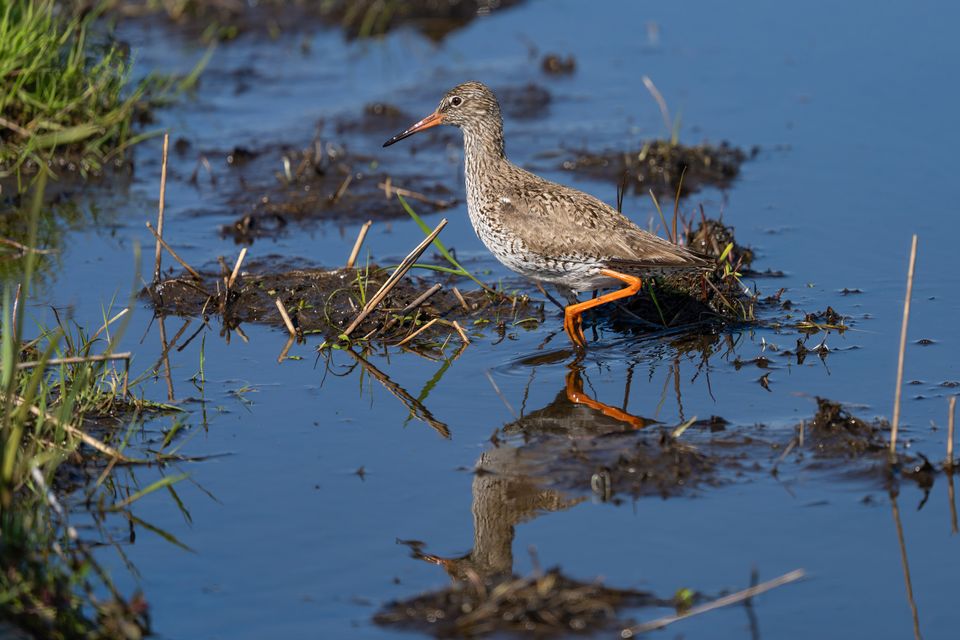
Turtle
The redshank, with its long, red-orange legs, can be recognised from a distance. It is also easy to spot by the broad, white trailing edge of its wings and the orange bill attachment. The name redshank also comes to this bird from its singing sound: "tjululuu". The numbers of redshanks have declined sharply in recent years in the Netherlands. This bird is also on the red list of Dutch breeding birds. Nevertheless, they can still be seen occasionally in Waterland. Some redshanks stay in the country all winter, but most prefer to migrate to warmer places. The best time to see these creatures is between March/April and September.
Kievit
The lapwing is a recognisable bird. With its distinctive crest, black and white plumage and broad wings, it cannot be missed. Lapwing males make spectacular tumbling movements in the air and a recognisable sound during courtship - this is what gives the bird its name. The lapwing can sometimes be found in the Netherlands in winter, but if it freezes too badly they leave for England and France. You'll find them here mainly between March and October.
Snipe
Some people may remember the snipe as the bird that appeared on the 100 guilder note for a while. It is easily recognised by its long, pointed bill and distinctive brown and white stripes on its head. The snipe is a fairly rare meadow bird, which is also well sheltered by its colours. It is more recognisable in the sky, where when disturbed it zigzags upwards with a hoarse 'skrètsj...skrètsj...' call. Its courtship flight is also striking, where it dives down at an oblique angle. Snipes arrive in the Netherlands from March to May, and leave again immediately after breeding, until deep into the winter.
Kestrel
Unfortunately, the ruff is no longer found in Waterland. With the measures that are now being taken to make the meadow birds happy here, the hope is that the ruff will eventually find its way back to Waterland. This meadow bird is very special indeed. In spring, impressing the females is a true spectacle. The males then display a beautiful plumage and hold sham fights on tournament fields. Hopefully we will be able to witness this game again in Waterland in the future.
Songbirds
You might hear these little birds rather than see them. They are small in size, but their recognisable song is unmissable.
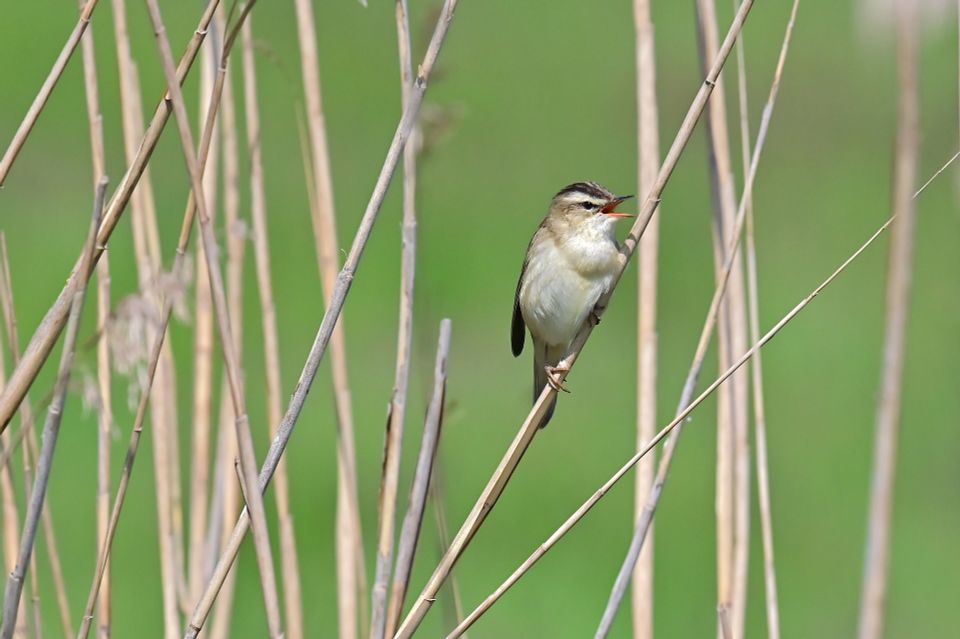
Songbirds
You might hear these little birds before you see them. They are small in size, but their recognisable song is unmissable.
Still, you can see them swirling up from time to time if you pay attention. Have you spotted them yet?
Reed warbler
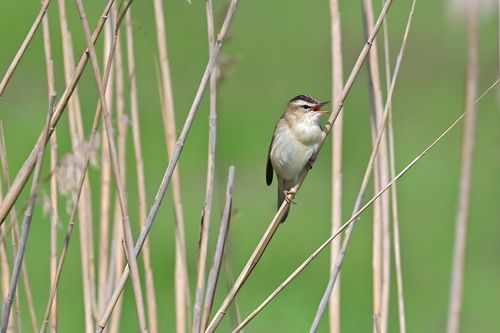
The sedge warbler is a small bird, with yellow-brown plumage, dark stripes on its head and back and a conspicuously light brow stripe. It likes to nest in tall reeds and a dense herb layer, where it is well hidden from any birds of prey. Fortunately, it is not shy and therefore still easy to see. When singing, the male climbs to the top of a reed cane, and then flies through the air singing for a bit, before lowering himself again like a parachute. It is a scratchy song, wild and full of imitations of other birds. In the weeks surrounding the breeding season (early May and again in June), you can hear the song of reed warblers all day long. Can you hear them around you?
Yellow wagtail
The yellow wagtail lives up to its name. The male has a bright yellow throat and breast, blue-grey head and a white eye-blue stripe. They regularly wiggle their tails up and down with quick, jerky movements and flutter impetuously through the air above the female during courtship, or run circles around her. The call is simple but distinctive: a high, single 'tswie'. Yellow wagtails like to frequent open agricultural areas, yet they are not found much in Waterland anymore. The yellow wagtail is on the Red List of Dutch breeding birds. Its numbers have declined 50-75% in the Netherlands since the 1960s.
Skylark
The skylark is light brown, with yellow and brown stripes and a contrasting white belly. It can raise a short, blunt crest by which it can also be recognised. In spring, you can hear the skylark's exuberant song from long distances. During courtship, they make beautiful song flights. First they fly up to 100 metres into the air, only to fly down and land near the female, singing loudly. Unfortunately, the skylark is not doing well. They have declined by up to 95% since 1960 and are therefore also on the red list of Dutch breeding birds. These little birds arrive in the Netherlands between February and April and leave again between September and November.
- 56
- 55
- 54
- 53
- 75
- 42
- 40
- 41
- 02
- 55
- 56