
The Country from Leeghwater
in Laag Holland

Rural Alkmaar - Where water became land
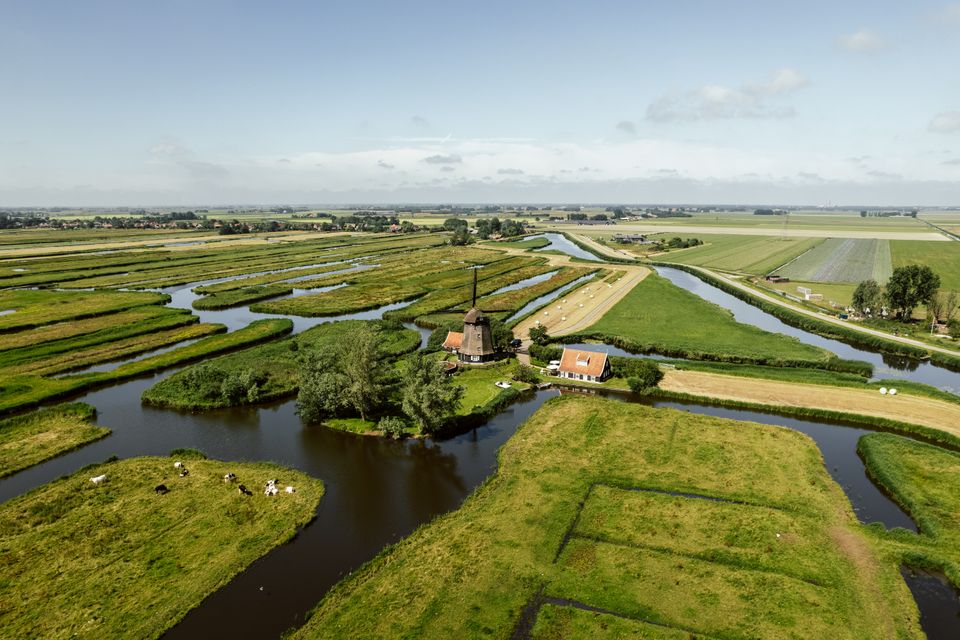
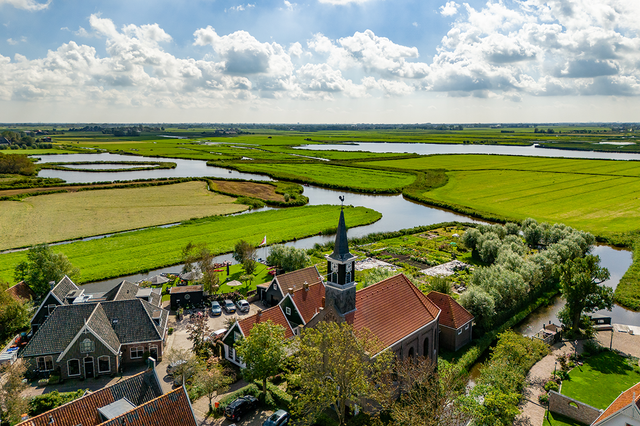
The Land of Leeghwater is a characteristic polder landscape between De Beemster and Alkmaar. Here, reclaimed land, historic villages and windmills tell the story of centuries of water management and land reclamation. The area shows how people shaped the water to their liking, creating a landscape that is still almost entirely legible today.
For those interested in heritage, landscape and the history of North Holland, the Land of Leeghwater is an area full of discovery and insight.
-
Schermer
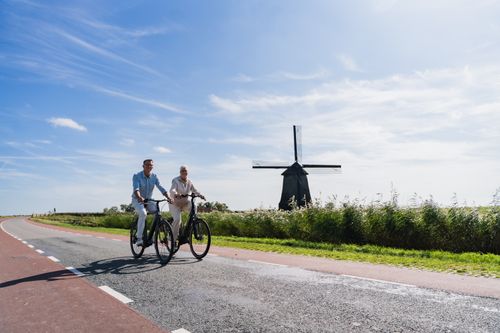
De Schermer originated in the seventeenth century when a large lake was drained using dozens of windmills. Today, you can still see the tight parcelling of land, ring dykes and historic mills that remind you of this impressive feat of Dutch water management.
-
Eilandspolder
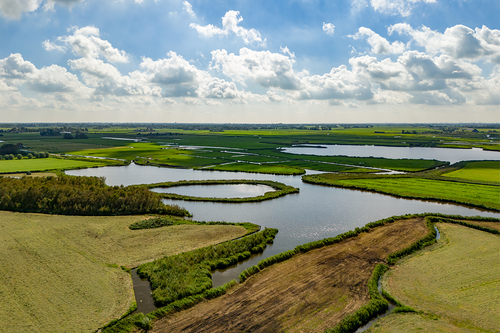
The Eilandspolder is a watery nature area where ditches, islets and grasslands alternate. This landscape shows what North Holland looked like before large polders changed the area. A place where nature, silence and cultural history come together.
-
De Rijp
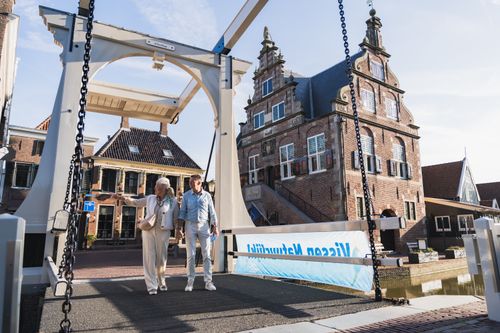
De Rijp grew into a prosperous village thanks to herring fishing, whaling and trade. Monumental houses, narrow streets and historic facades tell the story of a village that once played an important role in the maritime history of North Holland.
-
Graft
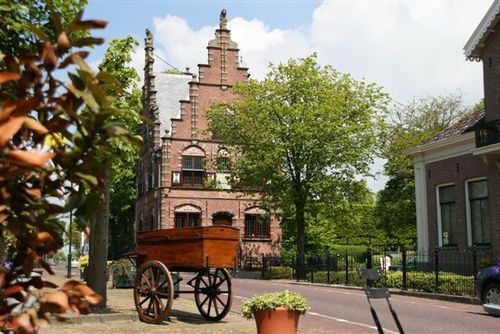
Graft was once located on open water and was linked to shipping and trade for centuries. Narrow streets, old houses and the surrounding polder landscape tell the story of a community that lived by and with the water for centuries.
On discovery - in the Land of Leeghwater
Anyone travelling through the Land of Leeghwater is not just looking at a landscape, but at an open-air history book. Centuries ago, this area consisted of lakes and open water, and thanks to innovative hydraulic engineering techniques, large areas of water were drained. What was left behind was a carefully designed landscape of polders, watercourses and dykes.
Traces of this are still visible in the straight parcelling of land, the windmills and the location of the villages.
-
In & on the water
In & on the water
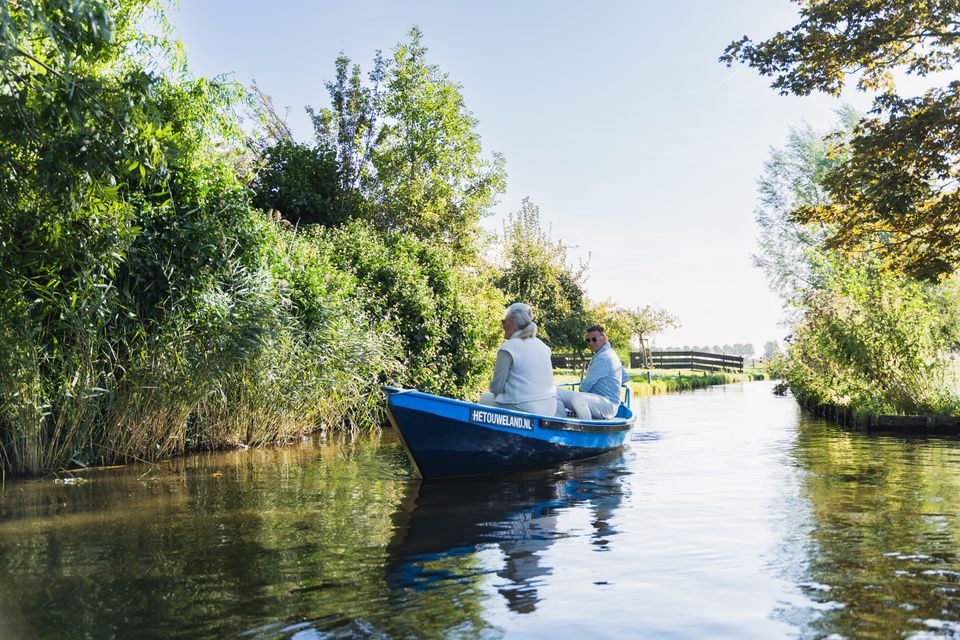
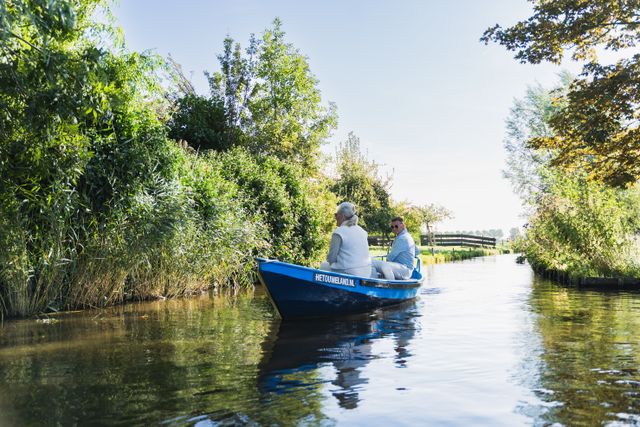
Experience the Eilandspolder from the water. Sail by canoe, SUP-board, whisper boat or motorboat past reed beds and historic villages.
-
Culture
Culture
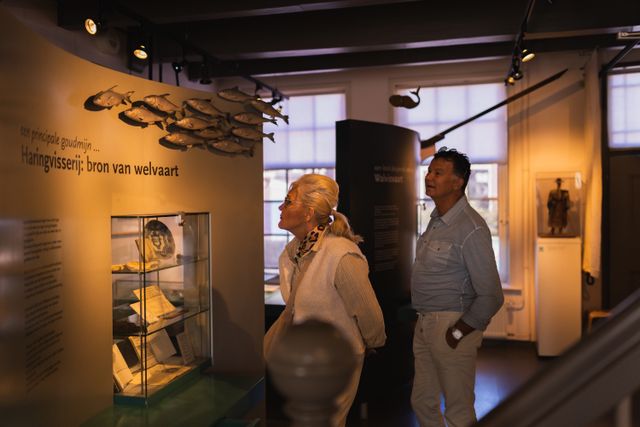
Discover how water, trade and shipping shaped the Land of Leeghwater. Dive into history at Museum In 't Houten Huis or the Schermolens, for example.
-
Food & drink
Food & drink
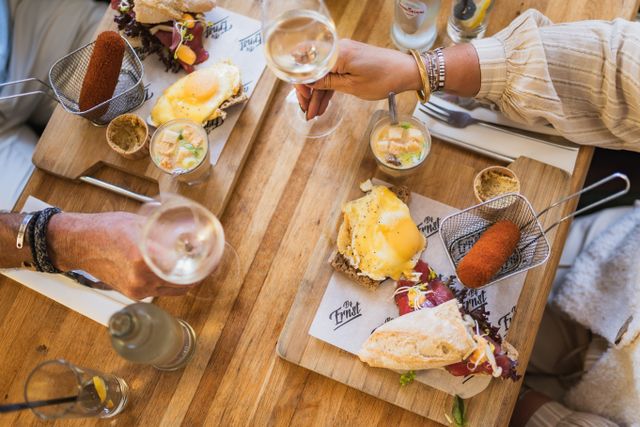
Settle down at a cosy café, restaurant or terrace in the region. For a special experience, visit Mevrouw Cha for a tea tasting with a tea sommelier.
-
Overnight
Overnight
Really want to experience the Land of Leeghwater? Then stay the night! Wake up in the morning in a tiny house with breathtaking views of the Eilandspolder.

-
Nature
Nature
The Eilandspolder is a paradise for nature lovers and bird watchers. Bring binoculars and discover the many birds that live here.
Routes - by Land of Leeghwater
Discover the Land of Leeghwater in a way that suits you. Cycle over dikes and past historic windmills, walk through characteristic villages and open polder landscapes or explore the watery Eilandspolder from the water. Along the way, you will pass places that tell the story of centuries of water management, trade, shipping and daily life in this special part of North Holland. This way, you not only discover the landscape, but also the history that shaped it.
-
Leeghwater route
Leeghwater route
With this cycle route, you will cycle four metres below sea level through the most un...
(47 km) -
Cycling and walking route through the Eilandspolder
Cycling and walking route through the Eilandspolder
The Eilandspolder is the historic green heart of North Holland and opm...
(14 km) -
Whale route
Whale route
The Whale Route offers views of old and new land, with greenery in...
(8 km) -
North-Hollandpad | Stage 10
North-Hollandpad | Stage 10
The North-Holland path is 284 km long and is divided into 16 stages. Stage...
(15 km) -
Eilandspolder route
Eilandspolder route
A day out on the water in a canoe or whisper boat, accompanied by enormous v...
(21.5 km) -
Herring & Hemp
Herring & Hemp
Between Amsterdam, Alkmaar, Hoorn and Purmerend, you will find a beautiful peat b...
(13 km) -
Migratory bird trail | Stage 3
Migratory bird trail | Stage 3
Stage three of the Migratory Bird Trail starts in the historic centre of Gr...
(20.1 km) -
Herring and hemp cycle route
Herring and hemp cycle route
The Herring and Hemp Cycle Route takes you along the historic sights of the...
(24 km) -
Migratory bird trail | Stage 2
Migratory bird trail | Stage 2
Stage two of the Trekvogelpad starts in the always cosy town of Alkmaar and...
(19.6 km)
Frequently asked questions
The area is named after Jan Adriaanszoon Leeghwater, a hydraulic engineer from De Rijp who became known for his involvement in the reclamation of land.
The landscape shows how lakes were drained and how water management shaped daily life and the layout of North Holland.
By bicycle, on foot or from the water. So you can experience both the open polders and the historic villages.
Yes. The Eilandspolder in particular is known for its wetlands and birdlife.