
The Schermer
in the Land of Leeghwater

Highlights of the Schermer
Fancy discovering for yourself the land that was once water? Then don't set off without checking out these highlights of the Schermer. Whether you want to learn more about the history of this centuries-old polder, enjoy special art in peace and quiet or are looking for an original outing, with these highlights an enjoyable day out is within reach.
So check them out quickly and find your favourite outing!
-
The smallest house
The smallest house
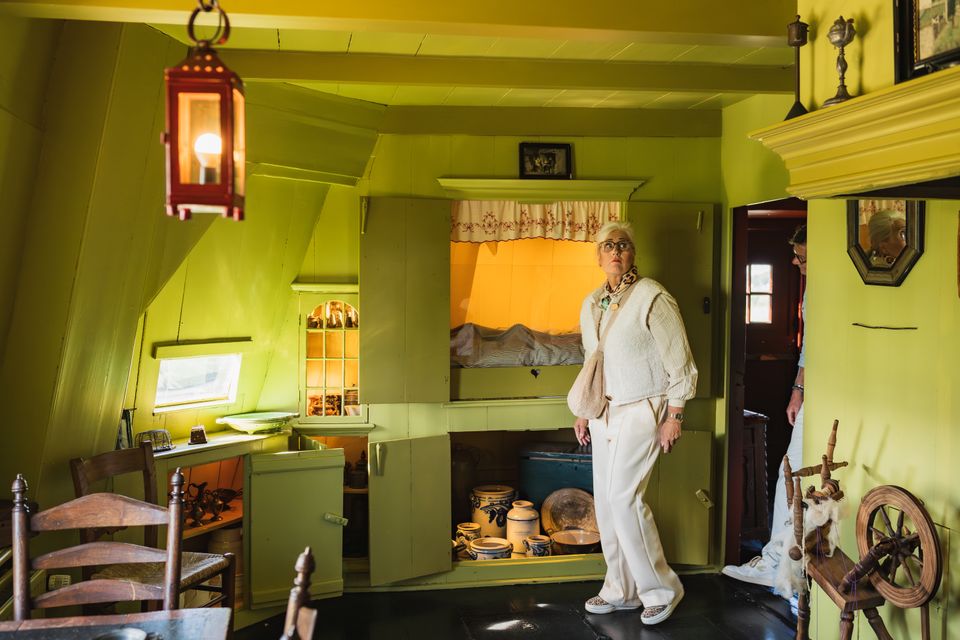
In this small market gardener’s cottage, you can discover how people lived in Schermerhorn around 1900. The cottage illustrates, on a modest scale, how daily life, limited space and village history come together.

-
Nic Jonk sculpture garden
Amidst art and landscape, you can discover the work of artist Nic Jonk. The sculpture garden in Grootschermer is a peaceful spot where sculptures, nature and the open polder landscape complement one another.

-
Grote Kerk Schermerhorn
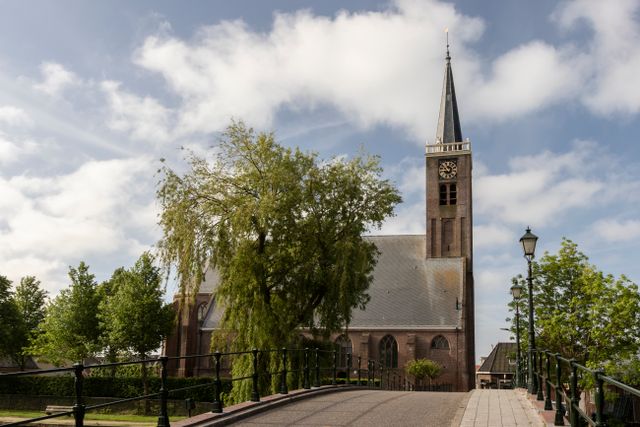
This historic church is a beautiful landmark in Schermerhorn. When the tower is open, you can climb it for views over the village, the windmills and the surrounding polder landscape.
From Schermeer to Schermerpolder
Centuries ago, the Schermer was still one large lake. Between 1633 and 1635, the water was drained, creating fertile farmland and providing better protection for the surrounding towns against flooding. Today, you can still see traces of that history in the straight lines of the landscape, the ring dykes, canals and windmills.
-
Screen mills
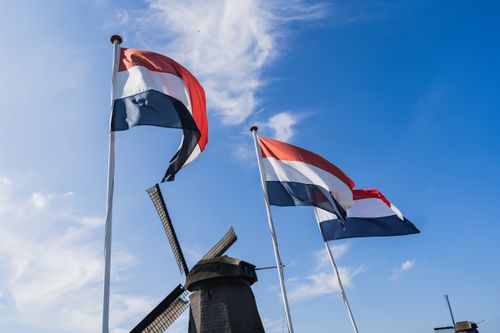
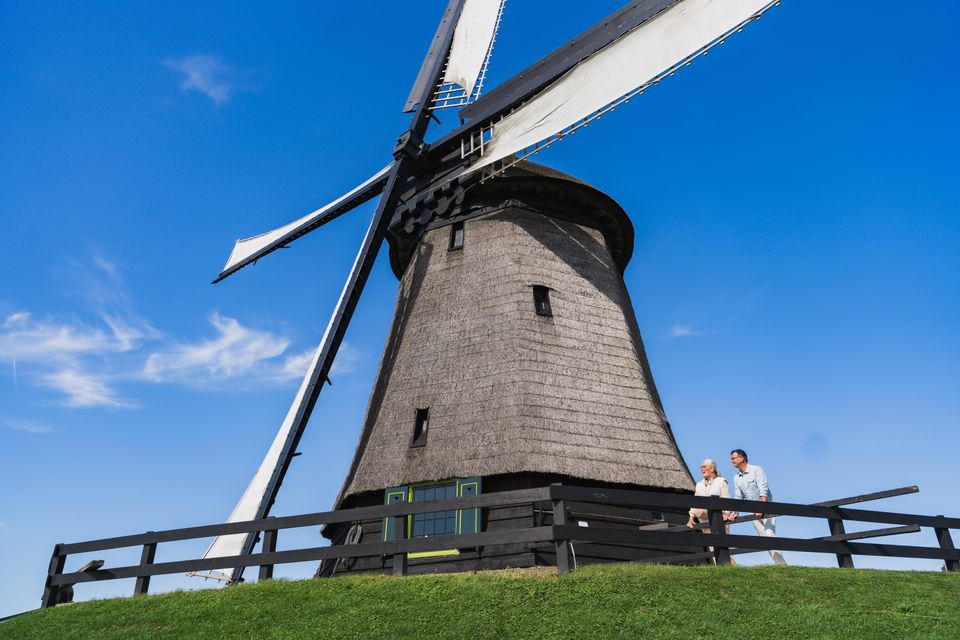
Fifty-two windmills were once needed to reclaim the Schermer. Some of these have been preserved and are still a recognisable feature of the open polder landscape. The windmills demonstrate the scale of the technical feat involved in turning water into land.
-
Corn mill the Otter
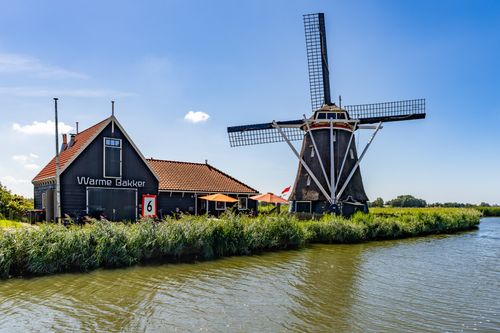
Here you can see how the traditional craft of millmaking is still very much alive. Grain milling, baking and local craftsmanship come together in a story that you can both see and taste.
Want to find out more about Land van Leeghwater?
De Schermer is a fine example of how water, windmills and the polder landscape have shaped the Land van Leeghwater. Combine your visit with a walk through the Eilandspolder, discover the historic villages De Rijp and Graft, or take some time out for a break at a local restaurant or outdoor café.
-
Eilandspolder
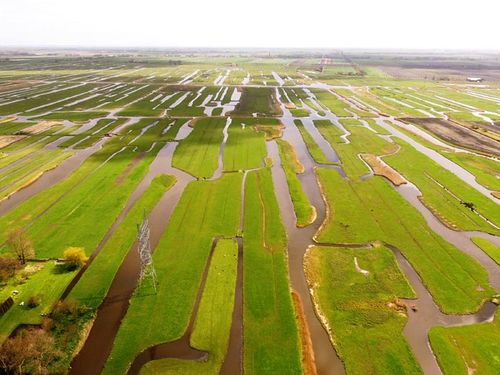
The Eilandspolder is a water-rich nature reserve where ditches, islets and grasslands alternate. This landscape shows what North Holland looked like before large-scale land reclamation projects transformed the area. A place where nature, tranquillity and cultural history come together
-
De Rijp
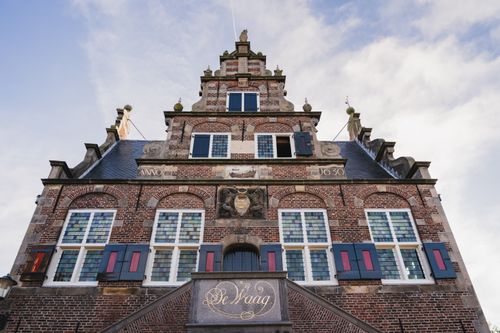
De Rijp grew into a prosperous village thanks to herring fishing, whaling and trade. Monumental houses, narrow streets and historic facades tell the story of a village that once played an important role in the maritime history of North Holland.
-
Graft

Graft once lay on open water and was linked to shipping and trade for centuries. Narrow streets, old houses and the surrounding polder landscape tell the story of a community that lived from and with the water for centuries.