

Ode to the picturesque landscape sub-route 1
This partial route takes you through Purmerend, De Beemster and Edam. Cycle across the Koemarkt, past centuries-old cheese-cover farmhouses, through picturesque Edam and make a stop at one of the catering establishments or museums along the way for a well-deserved break!
A region where beautiful pictures are guaranteed, that is Laag Holland. Especially on a sunny day, there is plenty to see here! A landscape full of vast meadows with grazing cows and sheep, wide views over the Markermeer, picturesque villages, stately windmills and here and there a touch of traditional costume, it is the image that many foreigners have of the Netherlands and that people from all over the world come to enjoy.
Similarly, artists have been inspired by our beautiful...
A region where beautiful pictures are guaranteed, that is Laag Holland. Especially on a sunny day, there is plenty to see here! A landscape full of vast meadows with grazing cows and sheep, wide views over the Markermeer, picturesque villages, stately windmills and here and there a touch of traditional costume, it is the image that many foreigners have of the Netherlands and that people from all over the world come to enjoy.
Similarly, artists have been inspired by our beautiful landscape for centuries. Over the years, Laag Holland has been home to several great talents. For instance, Rembrandt's most talented pupil, Fabritius, was a born and bred Beemsterling. In Den Ilp, the eccentric Anton Heyboer lived with his five wives where he did make tens of thousands of works. Maarten Oortwijn charted the development of his hometown Purmerend through the years with his drawings.
But there were also passers-by. How about the French impressionist Claude Monet? He was so inspired by the Zaan region that he made about 35 works of art there. And Jan Toorop made one of his most popular works in picturesque Broek in Waterland. The painting went all over the world! And finally, Paul Signac. He visited the artist village of Volendam and paid for his stay at Hotel Spaander with a work of art. It turned out to be the most expensive paid overnight stay ever.
Are you curious to know where these icons have been, what they did and saw, and why Laag Holland inspired them so much? To find out, you can now follow in their footsteps for one (or more) day(s). See Laag Holland the way they did. Experience the atmosphere of the historic villages that sheltered them and discover the landscapes they were so inspired by. Follow this sub-route and follow in the footsteps of the famous painters; it promises to be a unique experience!
This sub-route has been developed as a circular route. It is therefore possible to start at any point. The route consists of about 36 km and also shows you a beautiful glimpse of picturesque Laag Holland, with various break points along the way. From catering establishments to museums, all located along the route.
Tips on the go:
- Take a look around the historic Koemarkt and the Purmerends Museum
- Farm the Unicorn in Middenbeemster is arguably one of the most beautiful farms in the country
- Buy stamps of Fabritius' world-famous 'Little Goldfinch' at the Betje Wolff Museum in Middenbeemster
- Visit the Cheese Market in Edam on Wednesdays during the summer months
This is a sub-route of the entire route 'Ode to the scenic Laag Holland landscape, click here for the full route.
You are going to see this
-
25
-
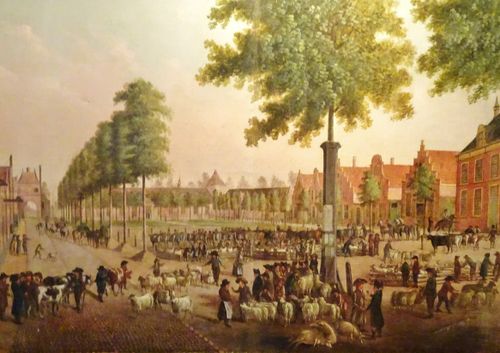
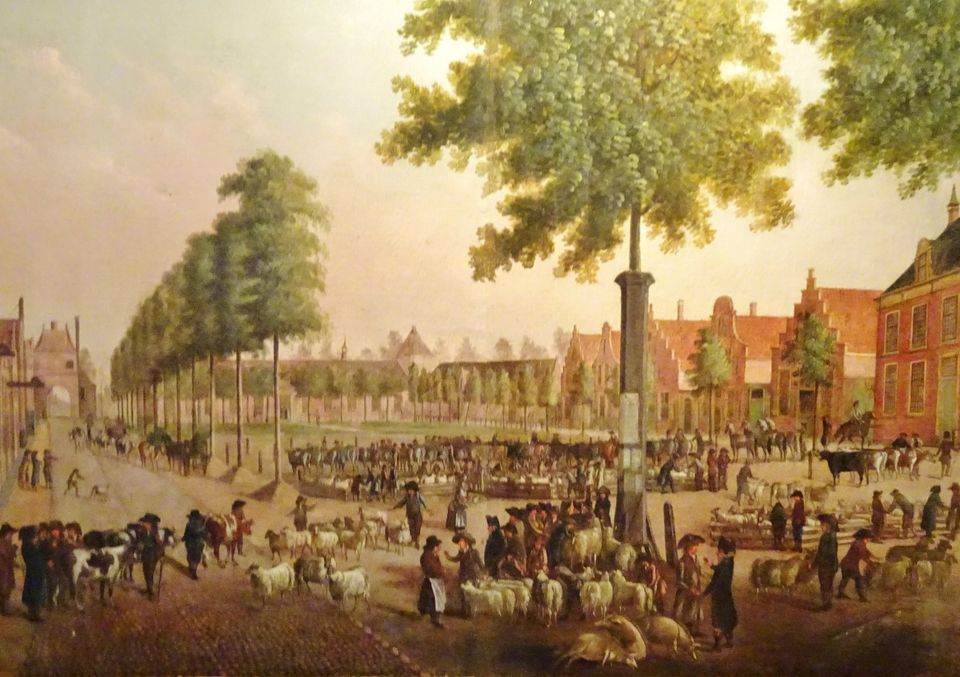
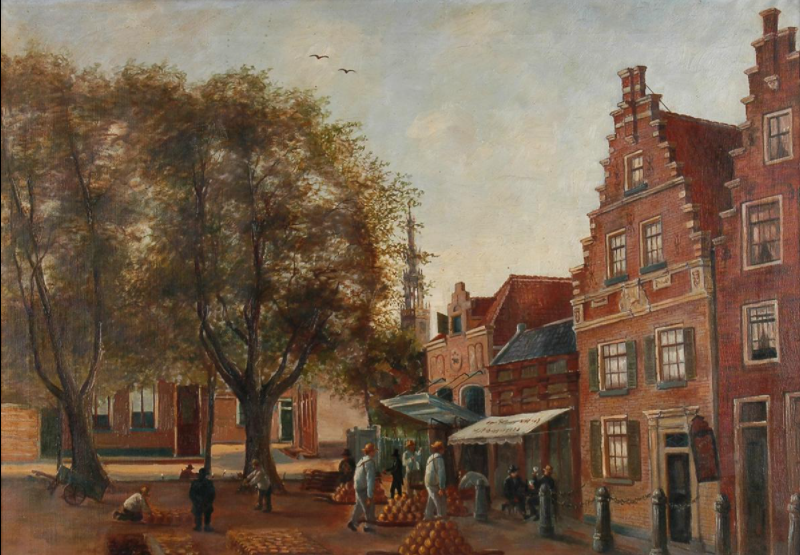
Painter unknown: Koemarkt in Purmerend
The painting is an oil on canvas. The depiction gives a good idea of the functioning of the Beestemarckt, as the Koemarkt was then called.
Painter unknown: Koemarkt in PurmerendPainter unknown: Koemarkt in Purmerend
The painting is an oil on canvas. The depiction gives a good idea of the functioning of the Beestemarckt, as the Koemarkt was then called.
After the reclamations of the Beemster, Purmer and Wormer in the early 17th century, Purmerend had become an important market town, selling the agricultural produce of the surrounding countryside. And that meant a lively and busy market. A farmer with cows just passed through the Purmerpoort. Not only cows, but also sheep, pigs and horses are waiting for a new owner. Here they are engaged in handshaking. The cows are tied to a rope stretched between posts. The sheep and pigs are herded together and on the large tree in the middle hangs an announcement the sale of horses. The painting is unique because no other paintings of the Koemarkt from this period are known.
-
-
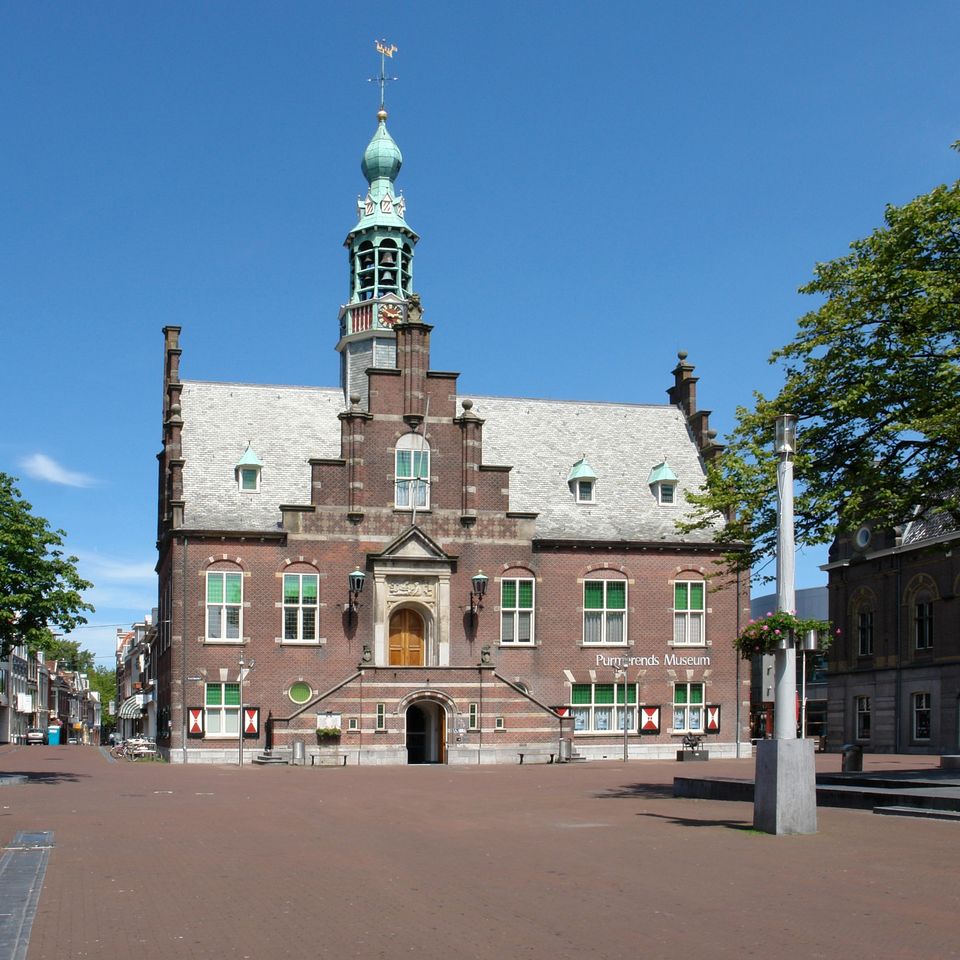
Purmerends Museum
In the heart of Purmerend, in the middle of the Kaasmarkt, stands the Purmerends Museum. This former town hall tells the history of Purmerend; from fishing village to market town between the reclamations of the Beemster, the Purmer and the Wormer.
Purmerends MuseumPurmerends Museum
In the heart of Purmerend, in the middle of the Kaasmarkt, stands the Purmerends Museum. This former town hall tells the history of Purmerend; from fishing village to market town between the reclamations of the Beemster, the Purmer and the Wormer.
In addition, the museum displays early work by Purmerend-born architects and designers J.J.P. Oud and Mart Stam and designer Jac. Jongert, known for the classic Van Nelle house style. The museum also has the largest collection of Purmerends Jugendstil pottery from the period 1895-1907 with beautiful vases, bowls and sculptures by the earthenware bakeries Wed. N.S.A. Brantjes & Co, NV Haga, L. Huisenga and Jb Vet & Co.
The museum also hosts temporary exhibitions throughout the year, often focusing on themes related to the history of the city and region or (hand-painted) ceramics.
In the Museum Shop and VVV Purmerend adjacent to the museum, visitors will find all kinds of information about the town and region, such as maps, folders and cycling and walking routes, as well as various local and regional products, books and small promotional gifts.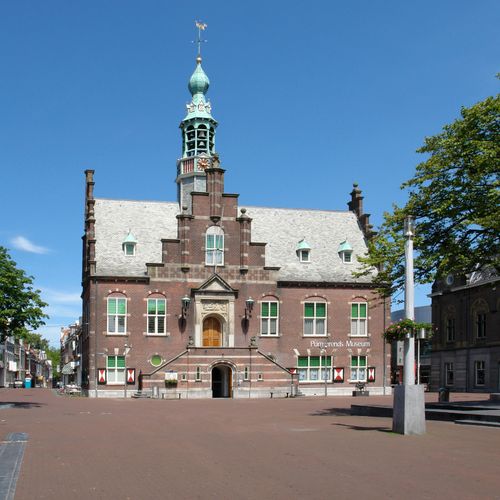
-
-
49
-
46
-
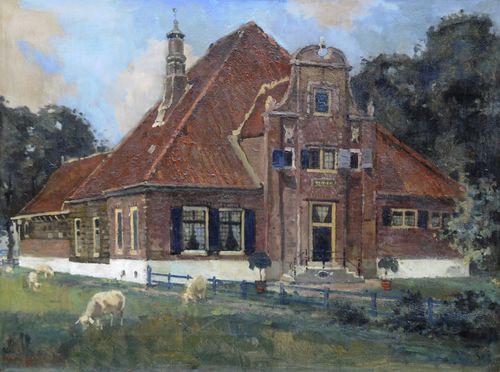
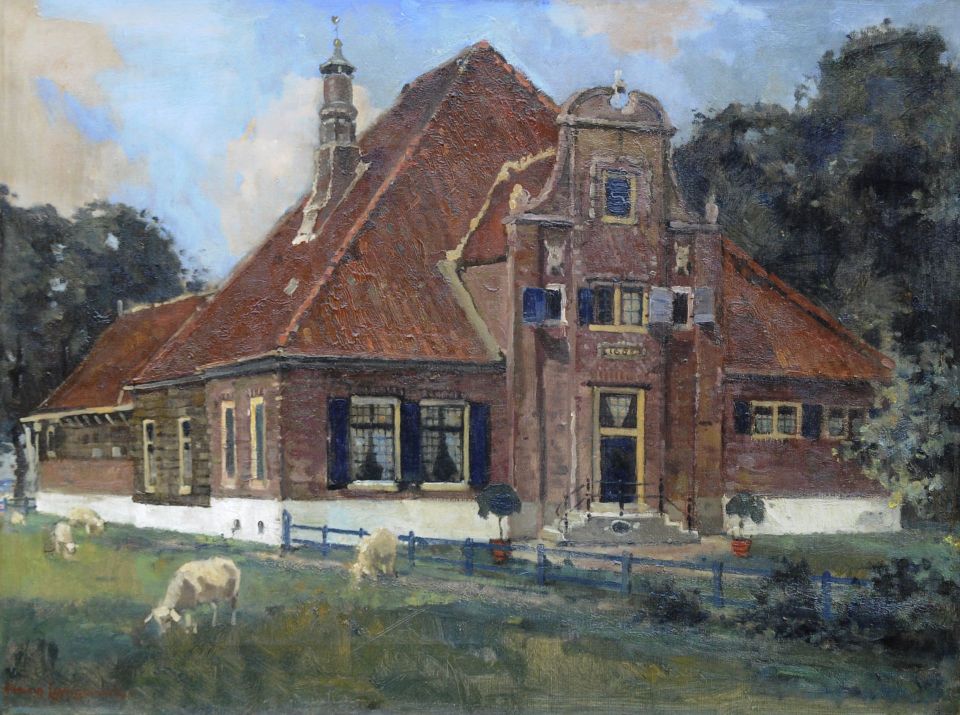
Frans Langeveld: Farm De Eenhoorn
Amsterdam native Frans Langeveld studied chemistry before devoting himself entirely to painting.
Frans Langeveld: Farm De EenhoornFrans Langeveld: Farm De Eenhoorn
Amsterdam native Frans Langeveld studied chemistry before devoting himself entirely to painting.
He took classes at the Rijksnormaalschool in the capital and was then a pupil of G.W. Dijsselhof. Initially, he painted landscapes, Amsterdam cityscapes and interiors. His work is firm, robust and somewhat rugged in structure. Plodding people, action, movement and the epic in nature attracted him.
-
-
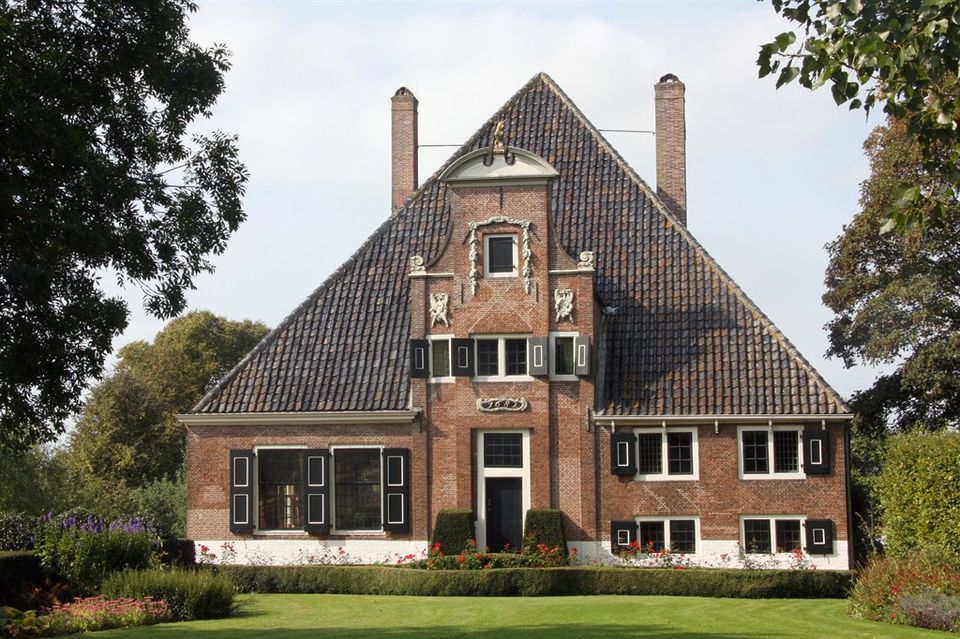
Farm "The Unicorn"
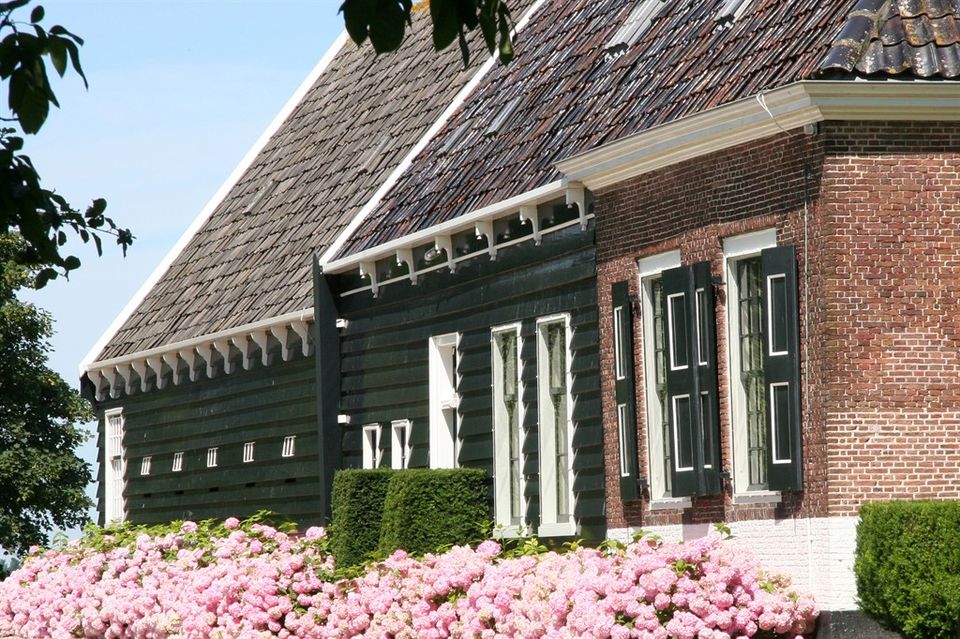
Farmhouse "De Eenhoorn" is the richest example of a stolp farm in De Beemster. The living area is made of brick and the barn area extended backwards is made of wood.
Farm "The Unicorn"Farm "The Unicorn"
Farmhouse "De Eenhoorn" is the richest example of a stolp farm in De Beemster. The living area is made of brick and the barn area extended backwards is made of wood.
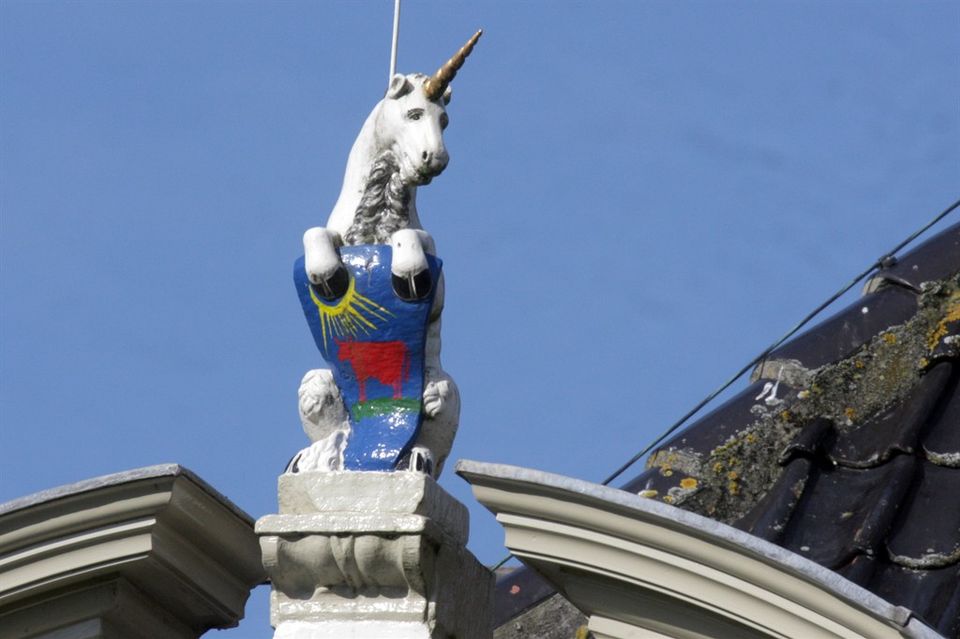
The raised central part with neck gable is a variant of the Amsterdam Vingboons style (Philip Vingboons), crowned with, among other things, the statue of a unicorn and decorated with carved gable ornaments and a cartouche with 1682. The living area is partly cellared and the milk cellar has a tiled fireplace.
Typical of these farms are the large orchards. These had several functions: in addition to fruit production, they provided coppicing and tool wood. In early spring, sheep and their newborn lambs roamed there. Later in summer, calves grazed there. The client then was the mayor of Hoorn.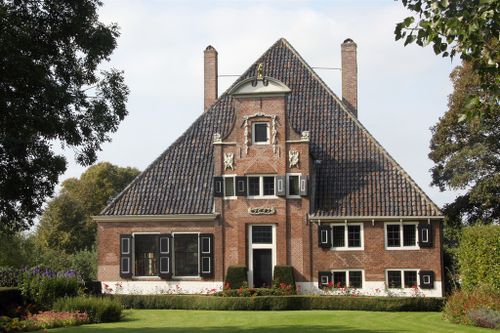
-
-
Betje Wolff Museum
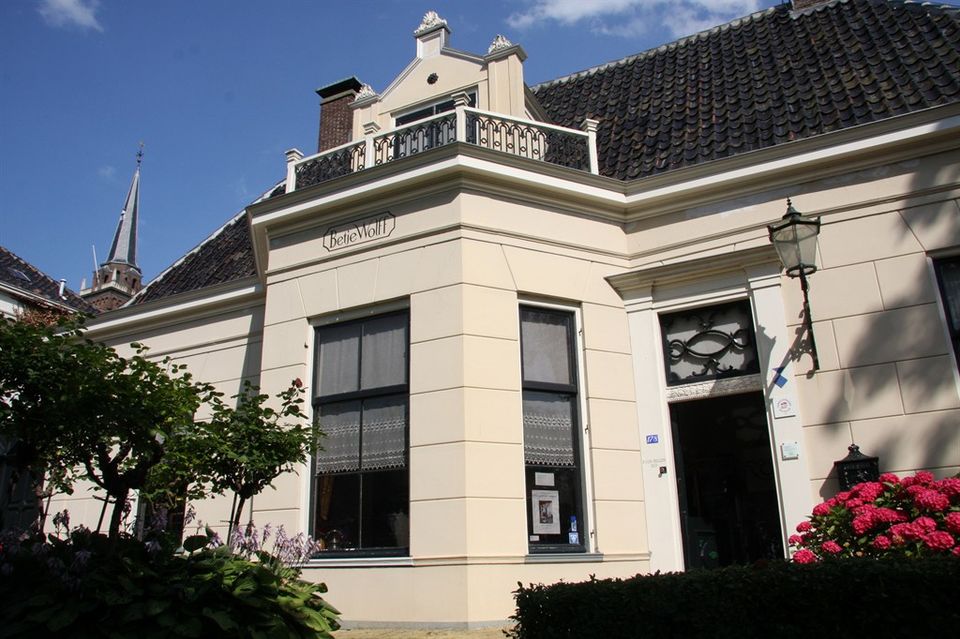
The former vicarage of the N.H. church in Middenbeemster has housed the "Betje Wolff Museum" since 1950.
Betje Wolff MuseumBetje Wolff Museum
The former vicarage of the N.H. church in Middenbeemster has housed the "Betje Wolff Museum" since 1950.
The name of this museum is taken from the well-known 18th-century writer Elizabeth Wolff, born Bekker, who lived in the rectory during her marriage to Reverend Adrianus Wolff (1759 - 1777).
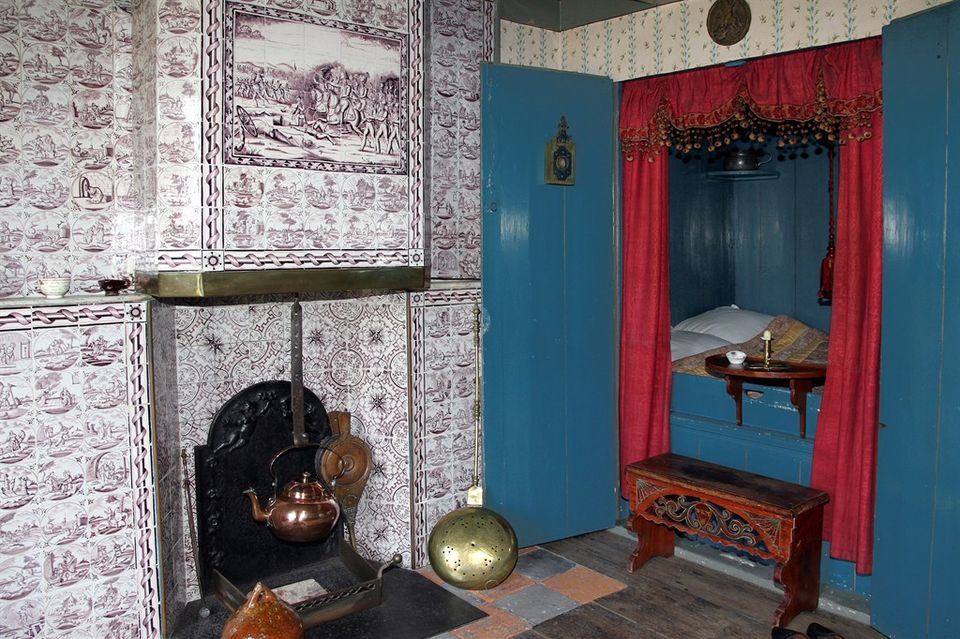
The museum offers a large number of period rooms from different periods and brings to life three centuries of living culture of Beemster and its surroundings. Furthermore, the museum has an 18th-century-style restored parsonage garden. Changing exhibitions are organised in summer.
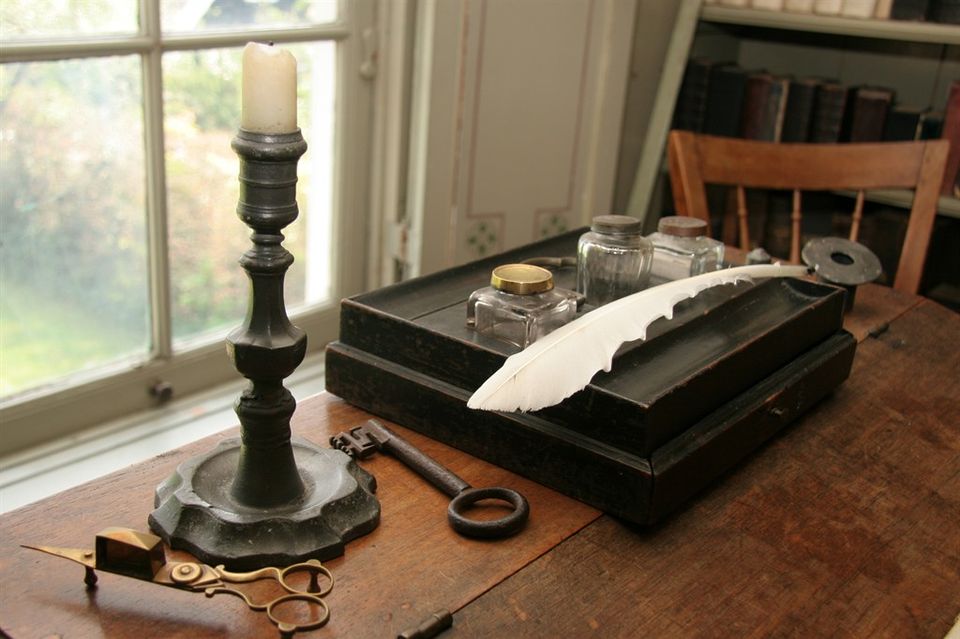
Kipperust
The attic houses Betje's study and book room, which she herself called 'Kipperust' and which was fully restored in 1953. The library contains almost complete editions of the works of Betje Wolff and her lifelong friend Aagje Deken, as well as many books that were once part of Betje's treasury.
With the help of a lavishly illustrated guidebook, visitors can walk freely through the museum. For groups, there is the possibility of an introduction and/or guided tour. In addition, the museum offers many other facilities. Due to the historical layout of the building, Museum Betje Wolff has limited access for the disabled.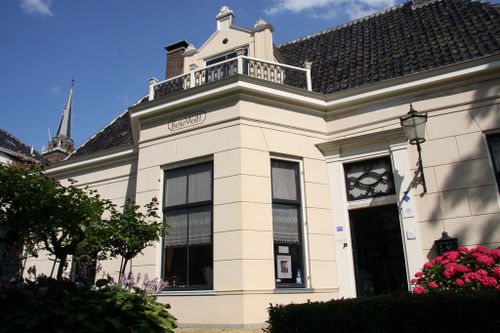
-
-
06
-
07
-
08
-
09
-
11
-
12
-
13
-
95
-
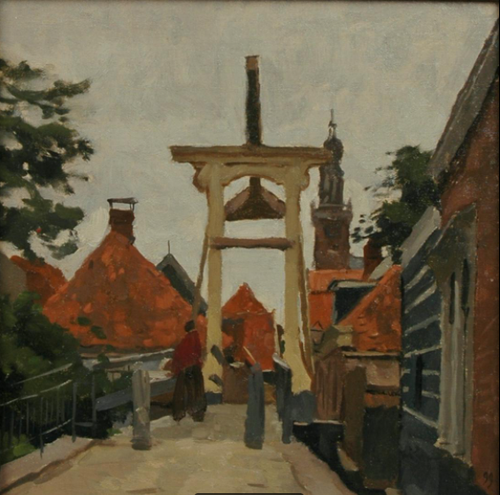
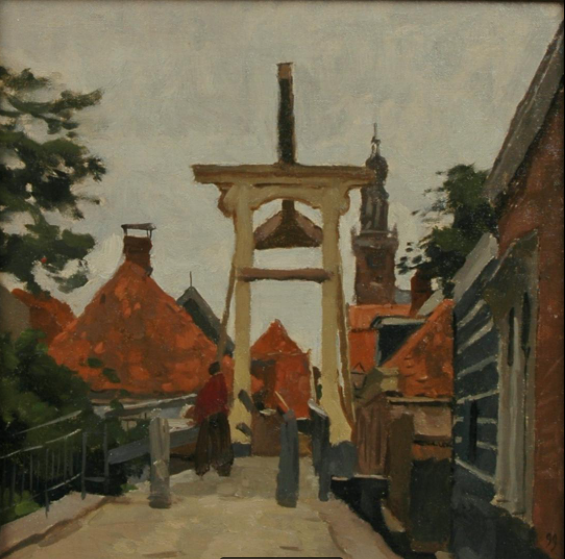
W.B. Tholen: Kwakel bridge
Willem Bastiaan Tholen (Amsterdam, 1860 - The Hague, 1931) was one of the most talented artists of his time and was very successful during his lifetime.
W.B. Tholen: Kwakel bridgeW.B. Tholen: Kwakel bridge
Willem Bastiaan Tholen (Amsterdam, 1860 - The Hague, 1931) was one of the most talented artists of his time and was very successful during his lifetime.
He won several awards and his art was sold all over the world. Tholen became especially loved and sought after by art collectors after his life.
-
-
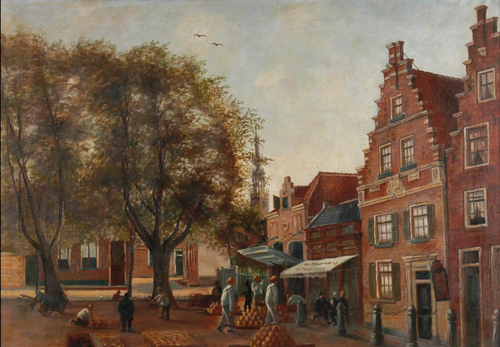
Anthony Beek: Cheese market Edam
Anthony Beek was born in Edam in 1882. He took his first painting lessons in Amsterdam before continuing his studies at the Academy of Fine Arts in Paris.
Anthony Beek: Cheese market EdamAnthony Beek: Cheese market Edam
Anthony Beek was born in Edam in 1882. He took his first painting lessons in Amsterdam before continuing his studies at the Academy of Fine Arts in Paris.
He was a member of the 'Art Society Gerard Dou'. His first monumental paintings 'The Kevelaar', 'Church Walk at Evening', the 'Night Watch of Edam' and 'St Martin's Feast' were discovered by Dutch painter D.B. Nanninga, who introduced him to the art company of Meijer W. Goudeket (1903-1943) in Amsterdam. The young artist subsequently painted for this internationally active company. A speciality of Anthony Beek was interpreting the colours of old masters such as Rembrandt and Gerard Dou.
-
-
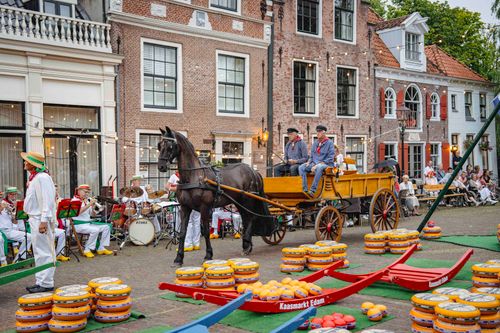
The Cheese Market Edam
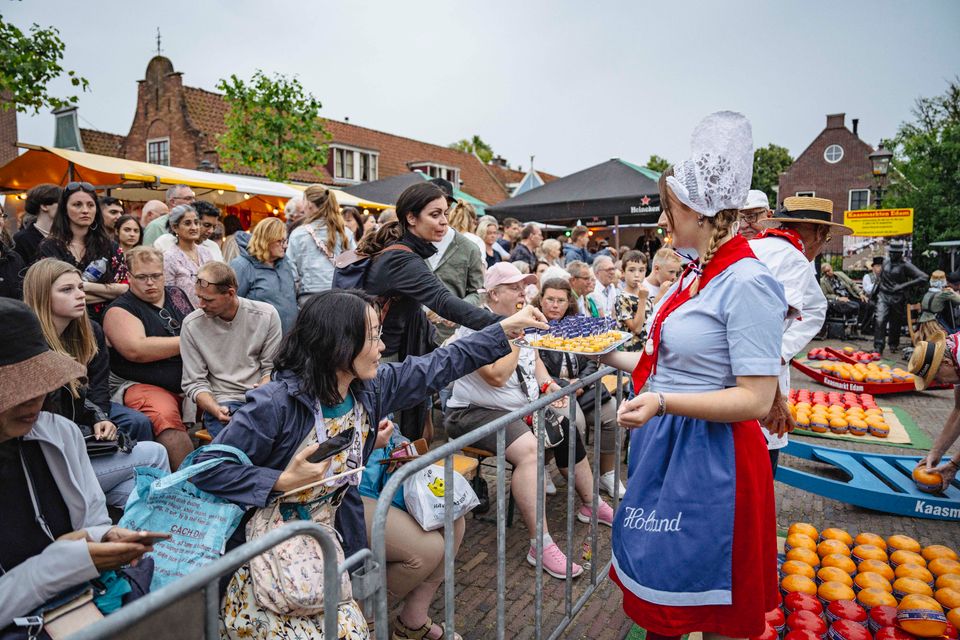
Whoever says Laag Holland, says cows. And whoever says cows, says cheese. This has been the case for centuries and so many cheese markets have sprung up in this region over the years. Three of them have been preserved and can therefore be visited!
The Cheese Market EdamThe Cheese Market Edam
Whoever says Laag Holland, says cows. And whoever says cows, says cheese. This has been the case for centuries and so many cheese markets have sprung up in this region over the years. Three of them have been preserved and can therefore be visited!
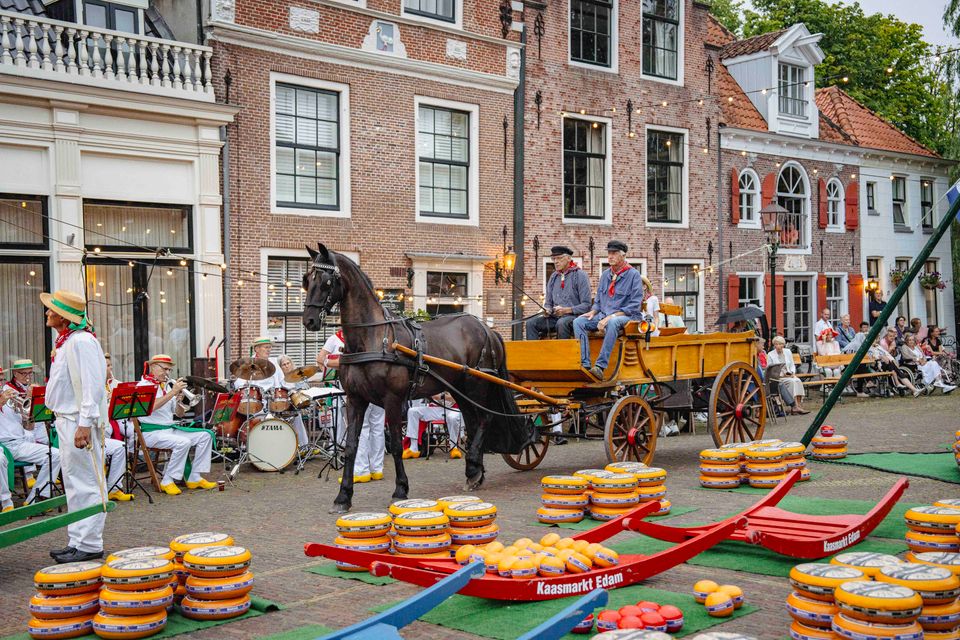
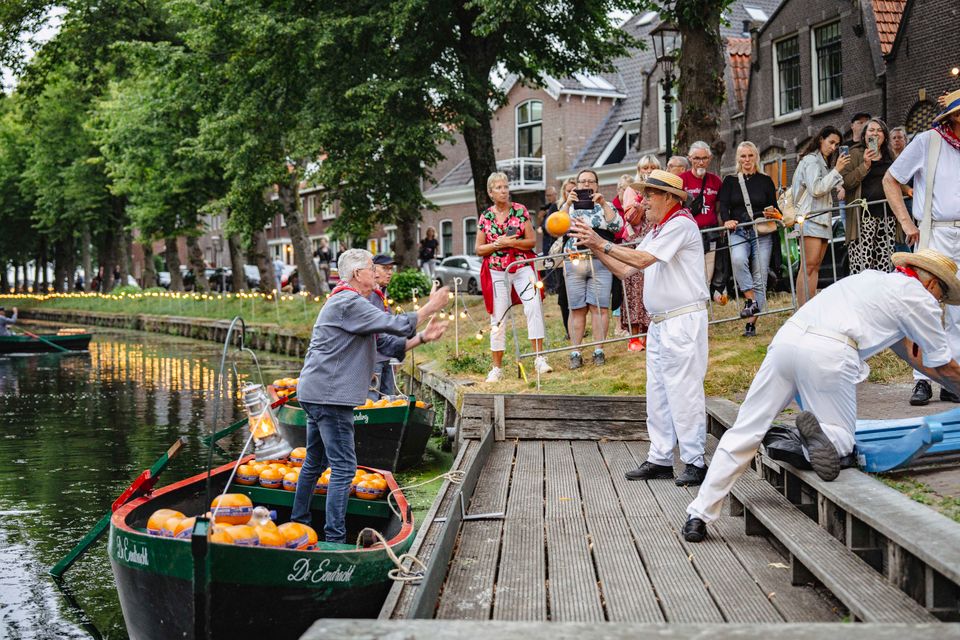
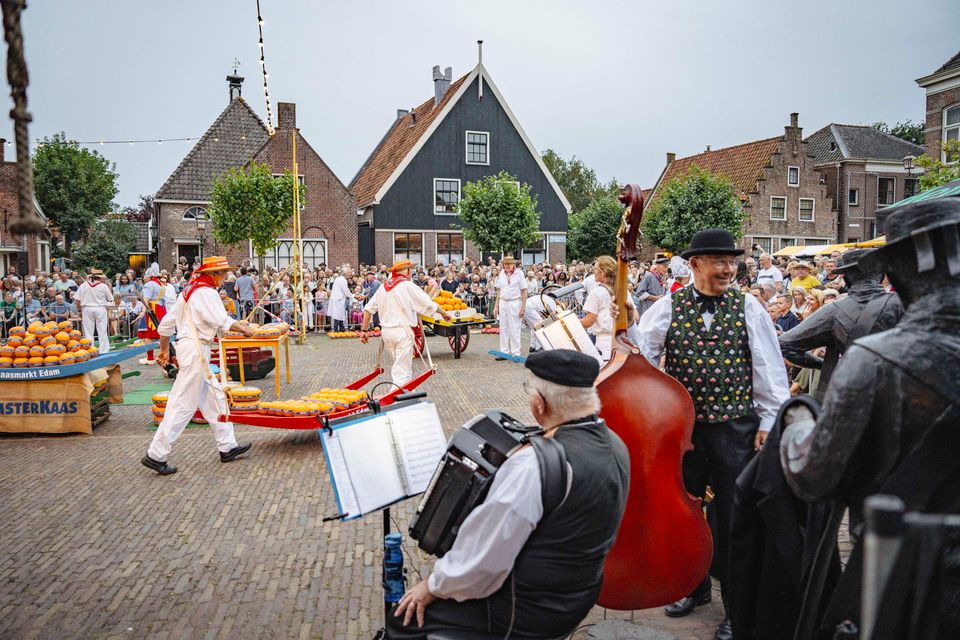
One of the preserved cheese markets is Edam's cheese market and it is definitely worth a visit! In July and August, the Edam cheese markets take place on Wednesday mornings (except on 29 August). During the cheese market, volunteers re-enact the former trade and cheeses are brought in by wagons and boats. Did you know that one of the most popular Dutch cheeses - Edammer - owes its name to this town?
For more information, check out the Edam Cheese Market website!
-
-
94
-
19
-
Purmerbos
On the east side of Purmerend is the Purmerbos. Winding footpaths give you the real 'forest feeling' and for children the play forest is an adventurous playground.
PurmerbosPurmerbos
On the east side of Purmerend is the Purmerbos. Winding footpaths give you the real 'forest feeling' and for children the play forest is an adventurous playground.
The quiet and natural forest is a resting area for many birds and mammals. But runners, cyclists and horse riders are also allowed to exercise and exercise here in peace and quiet. Dogs have also been thought of. Most of the Purmerbos is a dog-walking area. They even have their own swimming pool there.
The Purmer forest is still very young. Yet there is already a lot to experience among the poplars, ash, oak and beech trees that were planted more than 20 years ago. Thanks to the fertile clay soil, they sprouted.
Walking tips in the Purmer forest:

-
-
20
-
26
-
25

- 25
- 49
- 46
- 06
- 07
- 08
- 09
- 11
- 12
- 13
- 95
- 94
- 19
- 20
- 26
- 25