History and water heritage in Purmer-North
The Purmer will be 400 years old in 2022. It has been four centuries since this polder was drained using polder mills. Cycle past interesting places, read the stories and the Purmer comes to life.
To mark 400 years of the Purmer, two cycle routes have been created: one of 17 km through the northern part and one of 15 km through the southern part of the polder. This cycle route will take you through the northern part of the Purmer. Both routes start at the Purmerenderweg-Westerweg intersection near the Purmer church and can easily be combined. Use the routes to take a trip through the history of the area!
Important information:
- Download the PDF file for the cycle route.
- The route is not signposted.
- The routes were created by the Waterlands Archive with the cooperation of Hoogheemraadschap Hollands Noorderkwartier.
You are going to see this
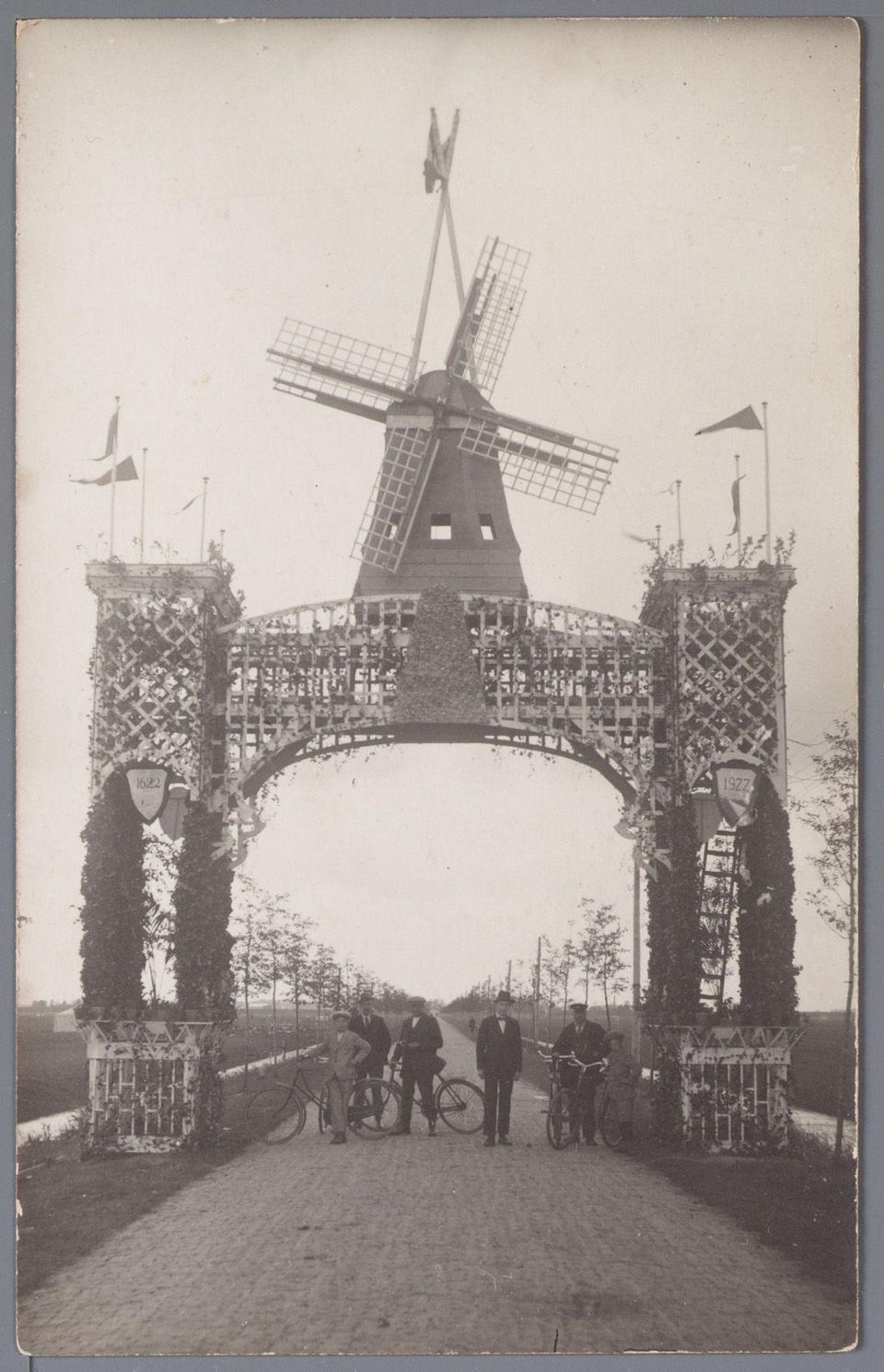
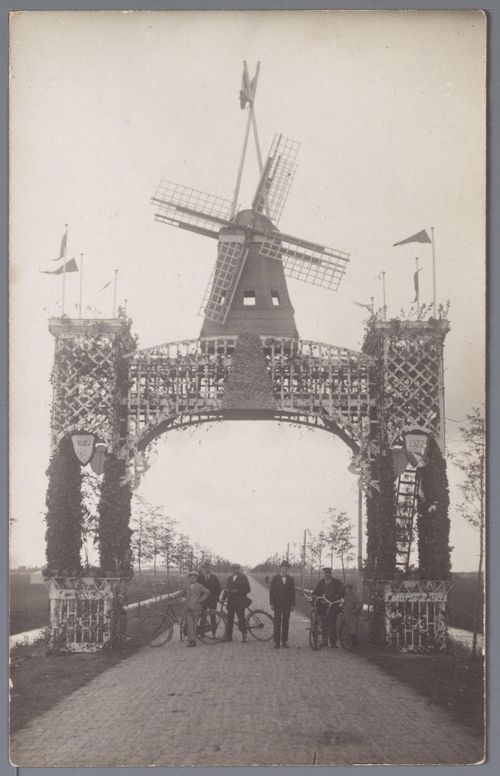
Purmerenderweg gate of honour
In 1922 when the Purmer had been drained for 300 years, there were gates of honour at various locations such as this one on Purmerenderweg.
Purmerenderweg gate of honour
In 1922 when the Purmer had been drained for 300 years, there were gates of honour at various locations such as this one on Purmerenderweg.
During the third centenary of the Purmer, beautiful gates of honour had been erected at various locations. This gate stood on Purmerenderweg, near the intersection with Westerweg. The photo was taken by M.B. van Baar and was taken towards Purmerend.
Monument to Jan Adriaansz Leeghwater
Jan Adriaansz Leeghwater was born in De Rijp in 1575. He was a mill builder and hydraulic engineer and helped reclaim several large lakes in North Holland, including the Beemster (1612), Purmer (1622) and the Wormer (1626).
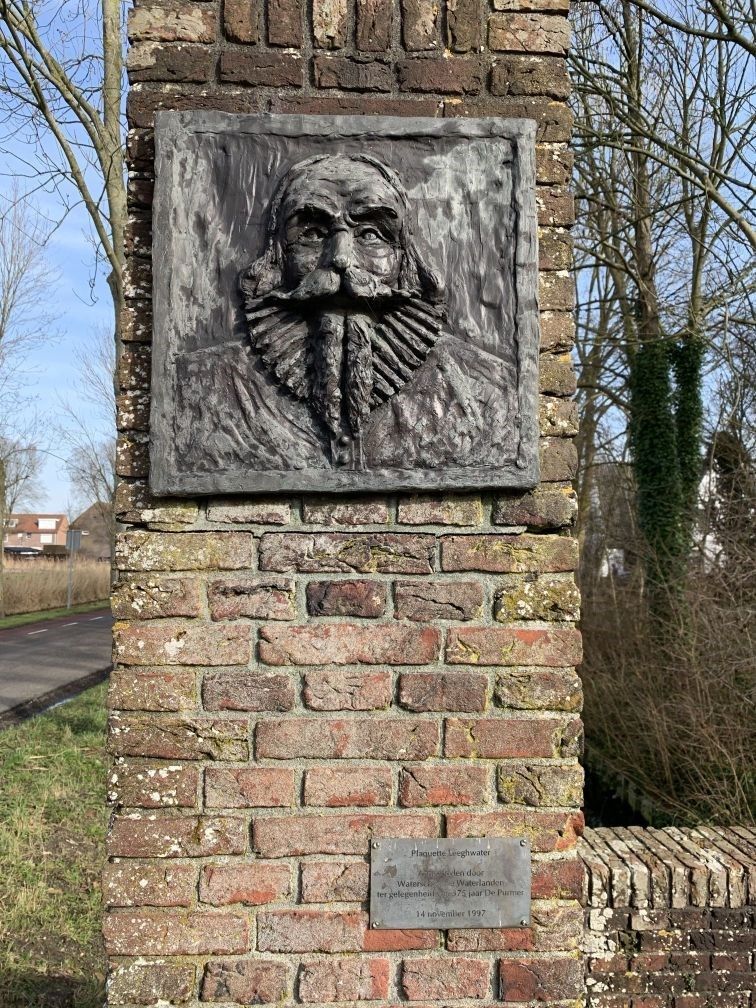
Monument to Jan Adriaansz Leeghwater
Jan Adriaansz Leeghwater was born in De Rijp in 1575. He was a mill builder and hydraulic engineer and helped reclaim several large lakes in North Holland, including the Beemster (1612), Purmer (1622) and the Wormer (1626).
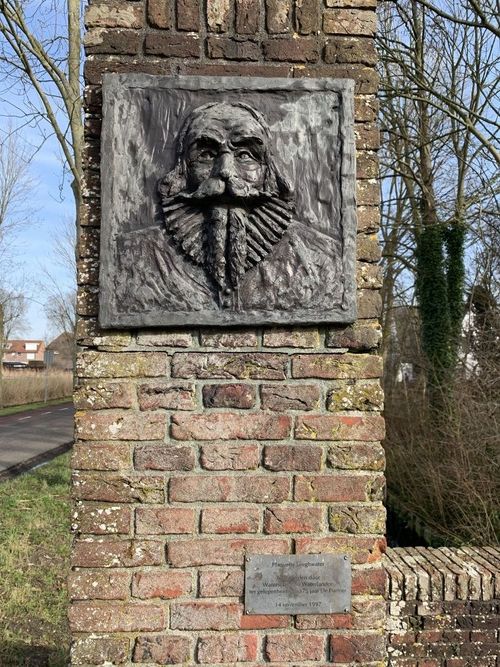
In the Purmer, it is commemorated with this plaque that forms part of a memorial bench placed at the Westerweg-Purmerenderweg intersection in 1922, when the Purmer was 300 years old.
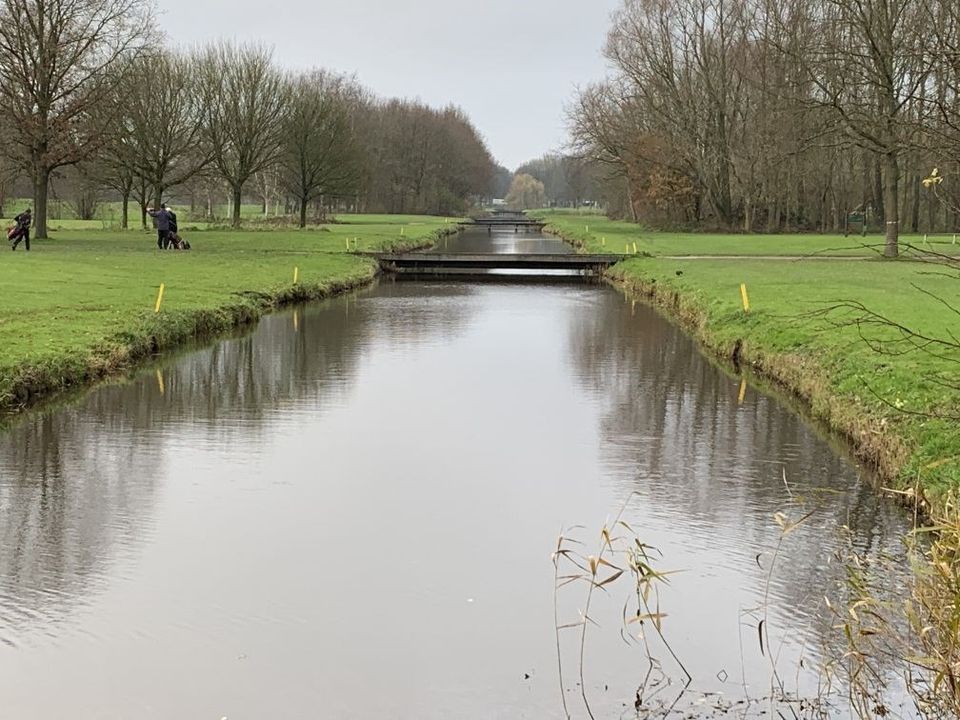
Weather mill tour
The ditch in the picture is the 17th-century Weergangsmolentocht.
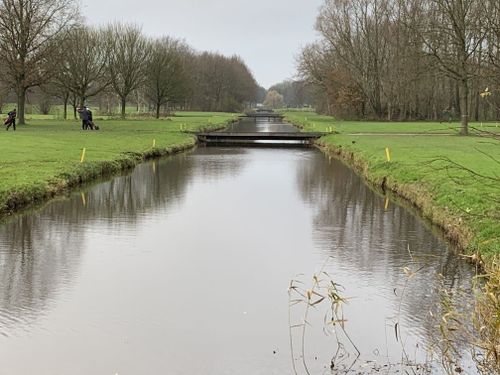
Weather mill tour
The ditch in the picture is the 17th-century Weergangsmolentocht.
The golf course in the Purmer was built more than 30 years ago. It is a beautiful terrain in the form of a park with paths, water features and hills. The ditch in the photo is the 17th-century Weergangsmolentocht. The name refers to the three windmills that stood at the end of this ditch near the Purmerdijk near Purmerend and were used to reclaim the Purmer Lake between 1620 and 1622.
Second Walk mill tour
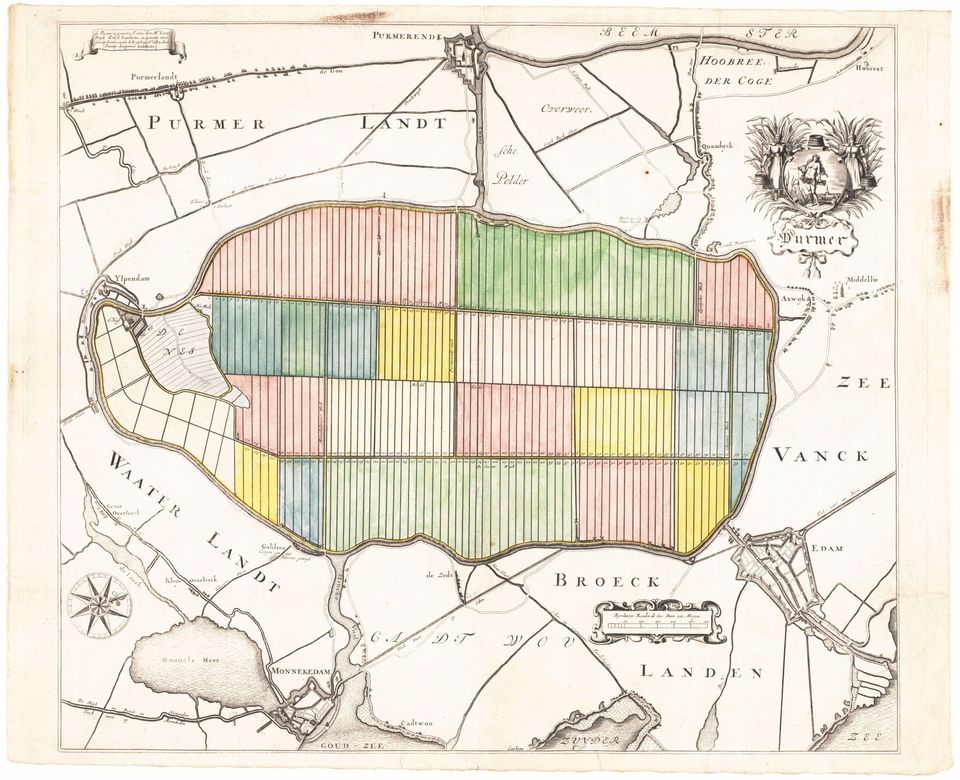
Surveyor Joannes Leupenius made this map of the Purmer and its surroundings in 1683. But the map image is from 1622, in other words, this is how the layout of the Purmer was after reclamation.
Second Walk mill tour
Surveyor Joannes Leupenius made this map of the Purmer and its surroundings in 1683. But the map image is from 1622, in other words, this is how the layout of the Purmer was after reclamation.
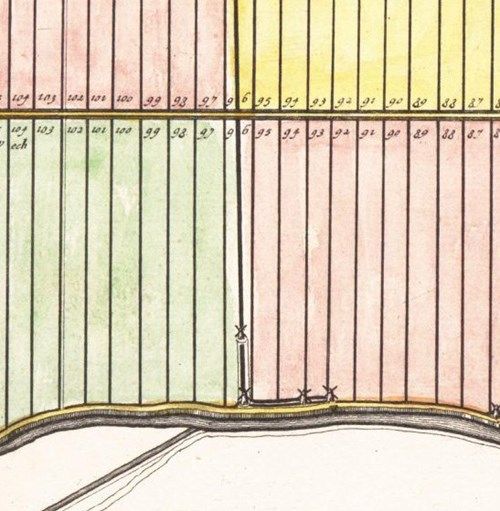
Looking closely at the map, you can see the numbered plots, ditches, (wide) draught ditches and ring canals that provided drainage to the mills (so-called mill corridors). We are standing here by one of those draughts that led to some mills: the Tweede Gangsmolentocht. Looking eastwards, the agricultural part of the Purmer towards Oosterweg, there were two mills in the distance along the draught ditch and two more near the Purmerringvaart. See the detail map for the mills at the bottom: Detail Plot map Purmer, 1683.
Westerweg
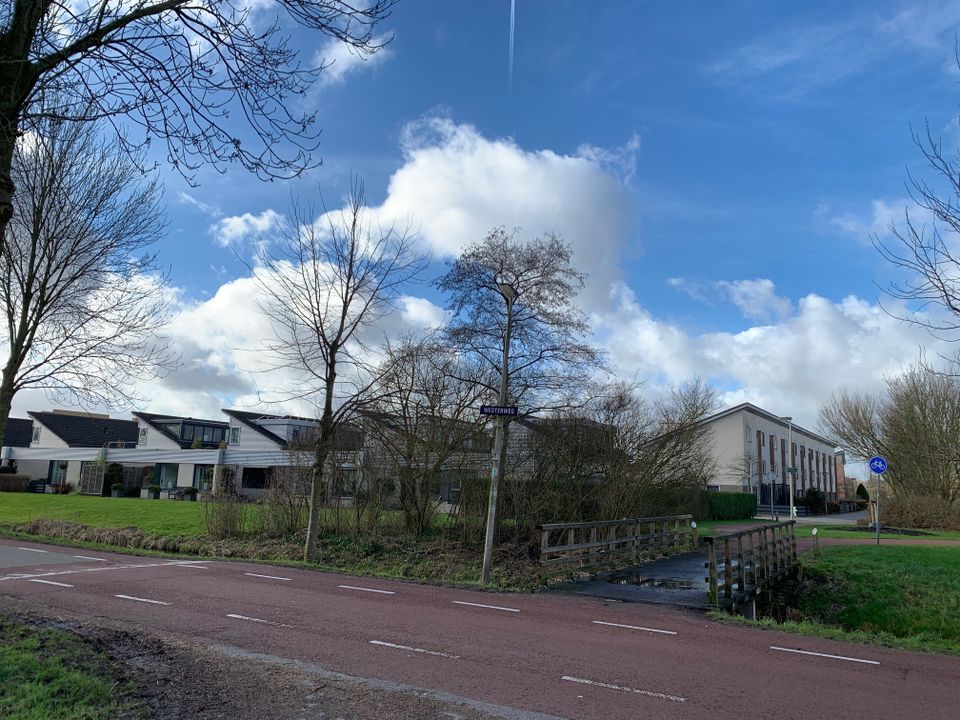
Westerweg was originally called Ilpendammerweg, as you can see on old maps from the 17th century.
Westerweg
Westerweg was originally called Ilpendammerweg, as you can see on old maps from the 17th century.
On one side of Westerweg are the Purmer forest and the golf course, on the other are the Purmer-Noord residential area and industrial estate De Baanstee. There used to be many more farms along this road. These were partly demolished for housing and to make room for the industrial estate.
Construction of Purmer-Noord residential area began in 1982, with Purmer-Zuid following five years later. Purmer-Noord had over 6,300 houses in 2016. From 1986, business park De Baanstee-West was developed, followed by Baanstee-Oost in 1997. Work on the development of Baanstee-Noord has been ongoing since 2012.
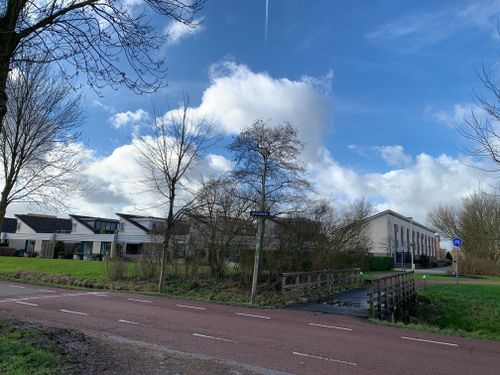
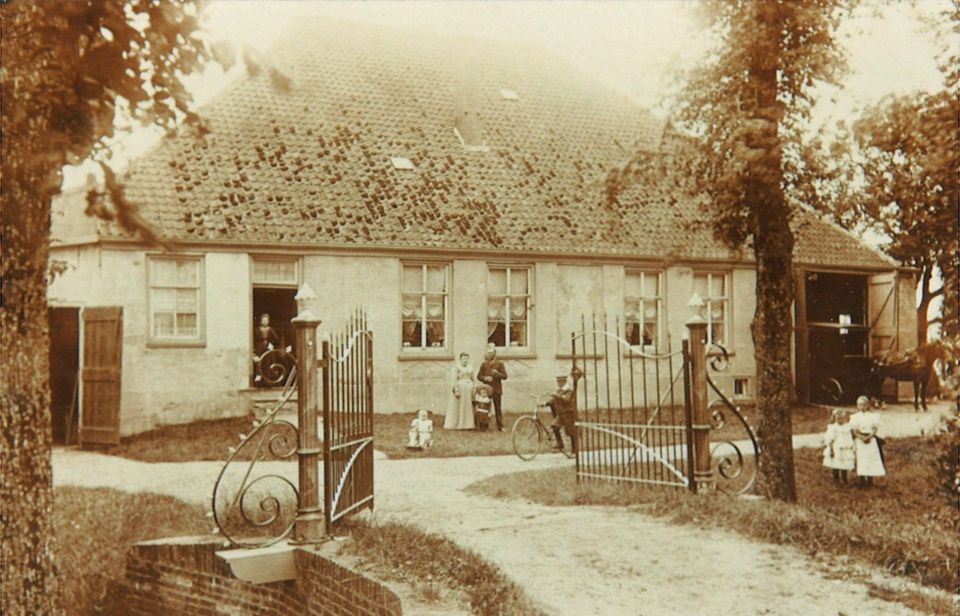
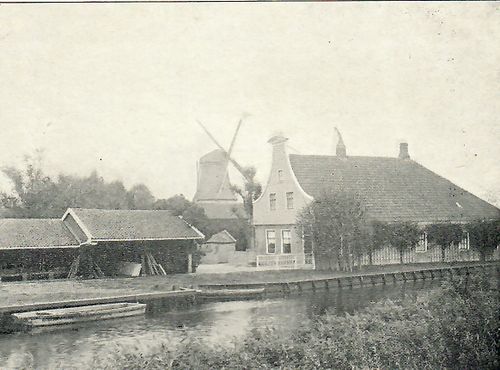
Farm the Bird Phoenix
The current farm on Purmerdijk 8 was built in 1998 on the site where the farm of the picture stood. This previous farm was called De Vogel Phoenix.
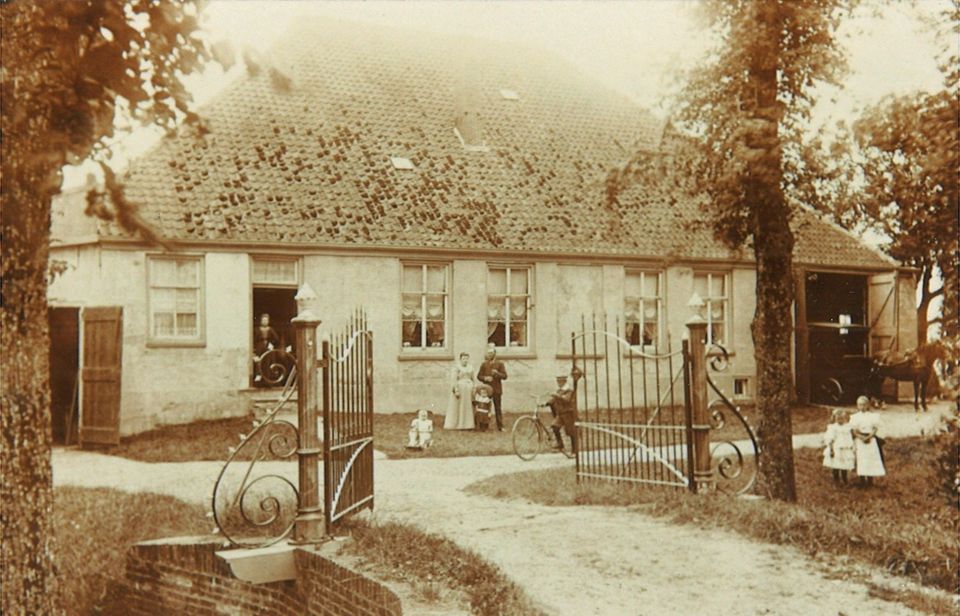
Farm the Bird Phoenix
The current farm on Purmerdijk 8 was built in 1998 on the site where the farm of the picture stood. This previous farm was called De Vogel Phoenix.
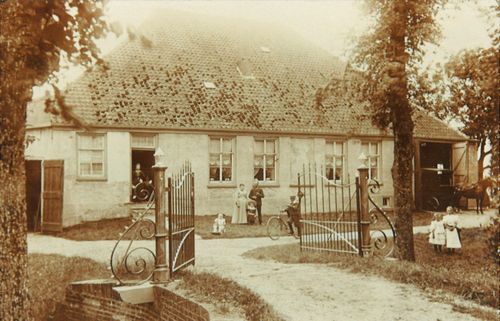
Which in turn was built on the site of one of the Purmer's oldest country houses: Kalverlaan. Kalverlaan's first owner was the Italian-born merchant Gonsalvo Romiti. Kalverlaan was probably burnt in 1799 along with seventeen other farmhouses to make way for a so-called battery (bed for setting up a number of pieces of artillery), constructed because of the invasion of the British and Russians in that year. In the photo from around 1905, the Nobel family poses in front of their farm. Next to and behind the current farm is the Fenix Garden Association complex, the area enclosed by the Fenixlaantje.
Cheese factory the Expectation
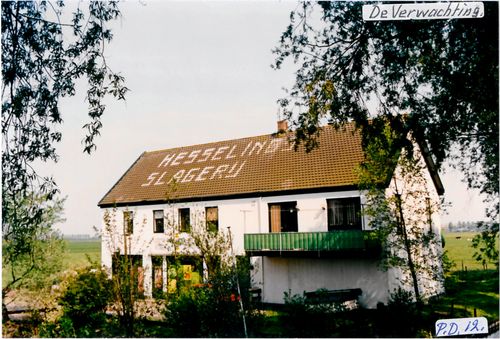
At the corner of Kwadijkerweg and Purmerdijk, diagonally opposite the bridge over the Purmerringvaart to Kwadijk, is a white-painted building built in 1904 as cheese factory De Verwachting.
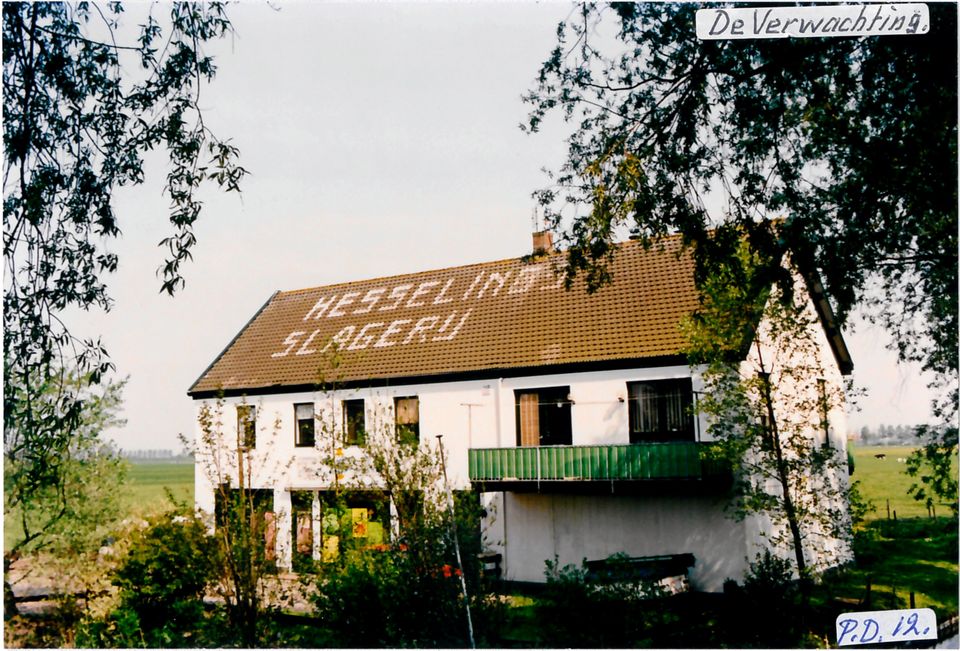
Cheese factory the Expectation
At the corner of Kwadijkerweg and Purmerdijk, diagonally opposite the bridge over the Purmerringvaart to Kwadijk, is a white-painted building built in 1904 as cheese factory De Verwachting.
Farmers from the Purmer and immediate surroundings supplied their milk to be made into cheese and butter. The factory was used as such until 1938. After that, the building was used for storage, as a butcher's shop and for several years it has been a group accommodation.
Tram through the Purmer
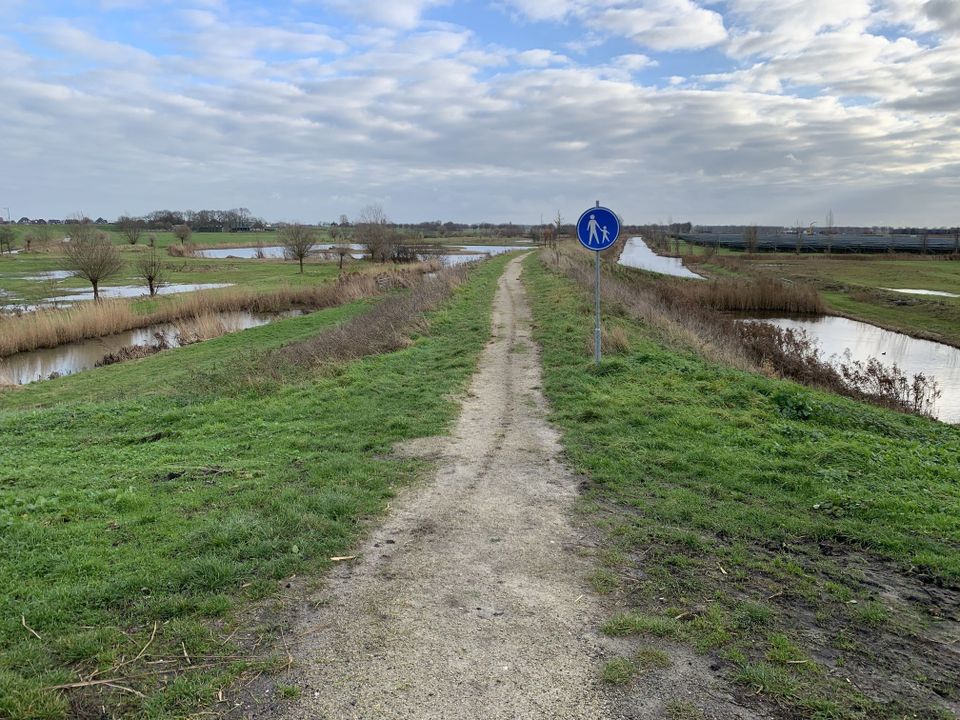
Between 1906 and 1944, a tram ran through the Purmer between Kwadijk and Edam/Volendam.
Tram through the Purmer
Between 1906 and 1944, a tram ran through the Purmer between Kwadijk and Edam/Volendam.
Six times a day, the tram ran back and forth between Kwadijk and Edam, taking 12 minutes. A ride cost 20 cents. In 1933, passenger transport by tram stopped but goods were still transported until 1944. These were mainly coal from the station in Kwadijk to Volendam and fish from Volendam to Kwadijk.
Although the tram rails were removed long ago, the tram rode along the narrow path that has been a footpath for several years. The little tram crossed the Westerweg at the end of the footpath and rode along the Edam road to Edam. Near Edam there is also still a part of the former tram line, near the bridge you can clearly see it on the upward going dike from the Purmer towards the Jan Koningbrug.
Purmer-North steam pumping station
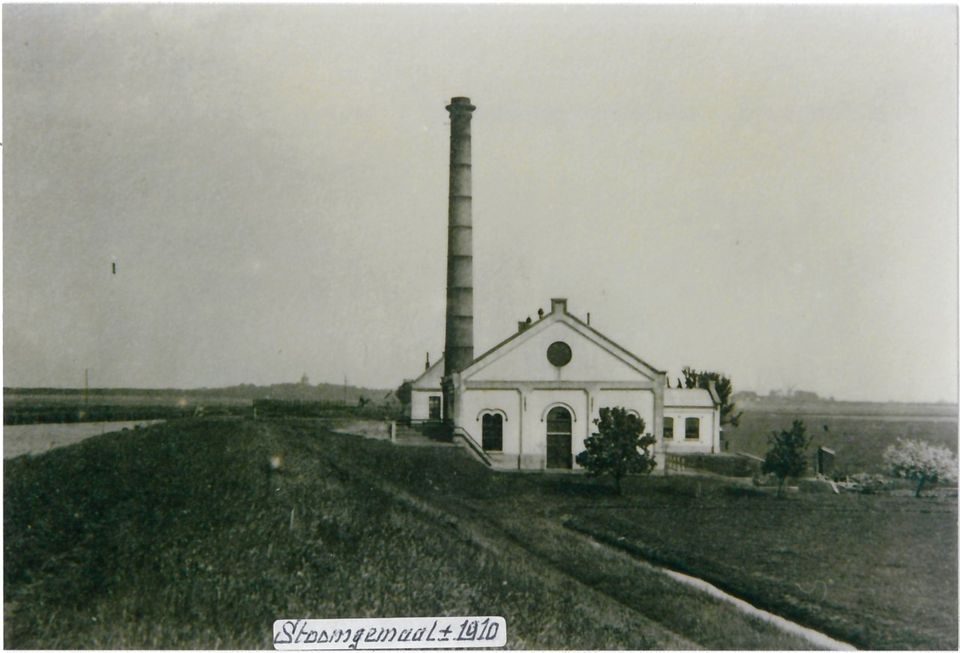
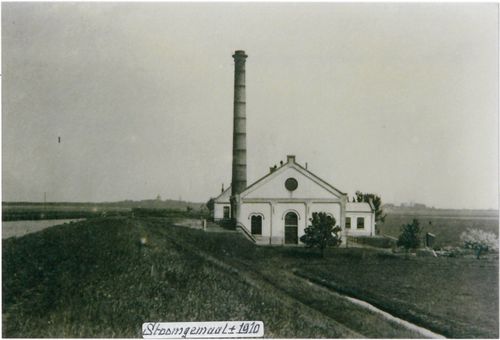
In 1877, this water pumping station on Purmerdijk 5 was built, although plans were already emerging in 1870-1871 due to the wet winter that year. The plans were postponed and picked up again in 1876 and executed here on the north dyke of the Purmer.
Purmer-North steam pumping station
In 1877, this water pumping station on Purmerdijk 5 was built, although plans were already emerging in 1870-1871 due to the wet winter that year. The plans were postponed and picked up again in 1876 and executed here on the north dyke of the Purmer.
It was a suitable spot because of the soil here, which contained a lot of sand and little clay. Contractor Blankevoort from Monnickendam built the pumping station and the residence for the engine driver; the residence was demolished several years ago. The steam engine and four boilers were supplied by the Hannover Machinebau company in Germany. When the pumping station was put into operation, it provided drainage of the Purmer with three mill passes until about 1904 when it was decided to demolish the mills and a new, double steam plant was installed in the pumping station. In 1972, an electric motor replaced the steam engine. In 2012, the pumping station was renovated. The plant was replaced by screw pumps with concrete pump housing, driven by new electric motors. Behind the pumping station is a wide ditch that the pumping station uses, see the picture at the bottom of the screen.
Jan Koning Bridge
Several bridges have been built across the Purmerringvaart around the Purmer. One of these is the Jan Koning Bridge near Edam, which was built in 1939.
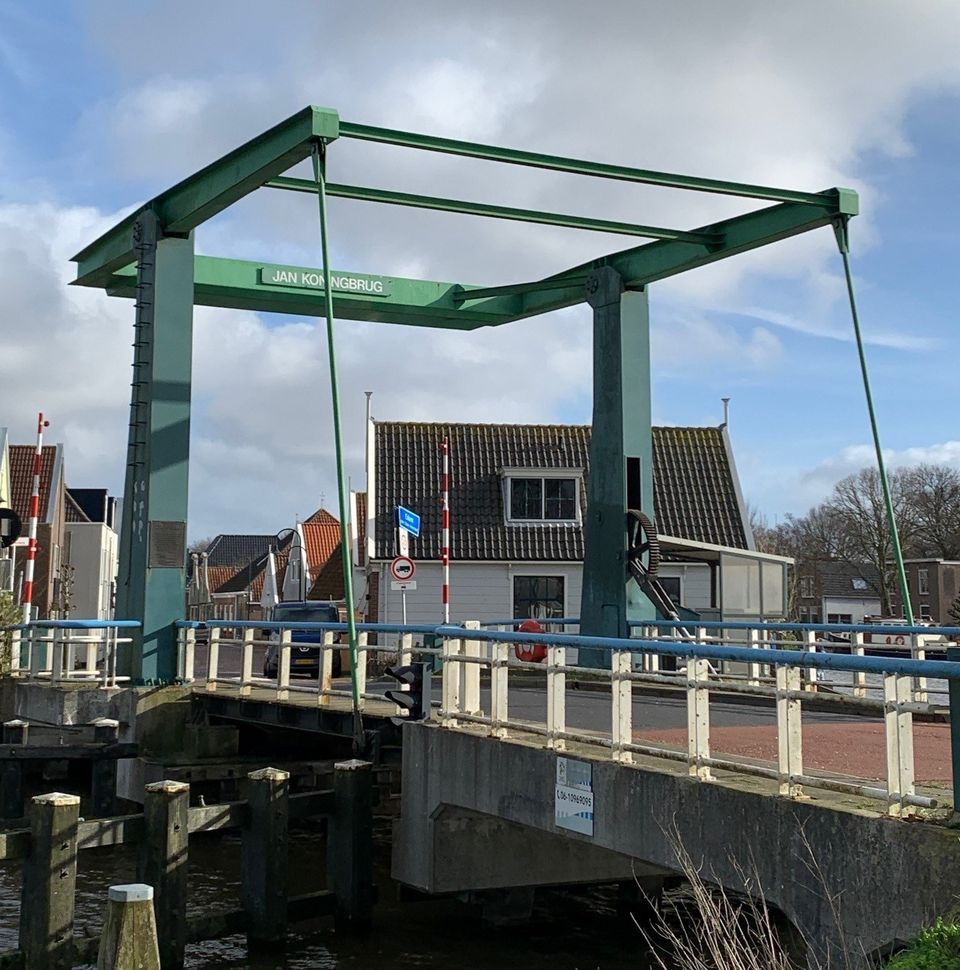
Jan Koning Bridge
Several bridges have been built across the Purmerringvaart around the Purmer. One of these is the Jan Koning Bridge near Edam, which was built in 1939.
Jan Koning was dike warden of the Puremr between 1931 and 1946.
Purmerwerf
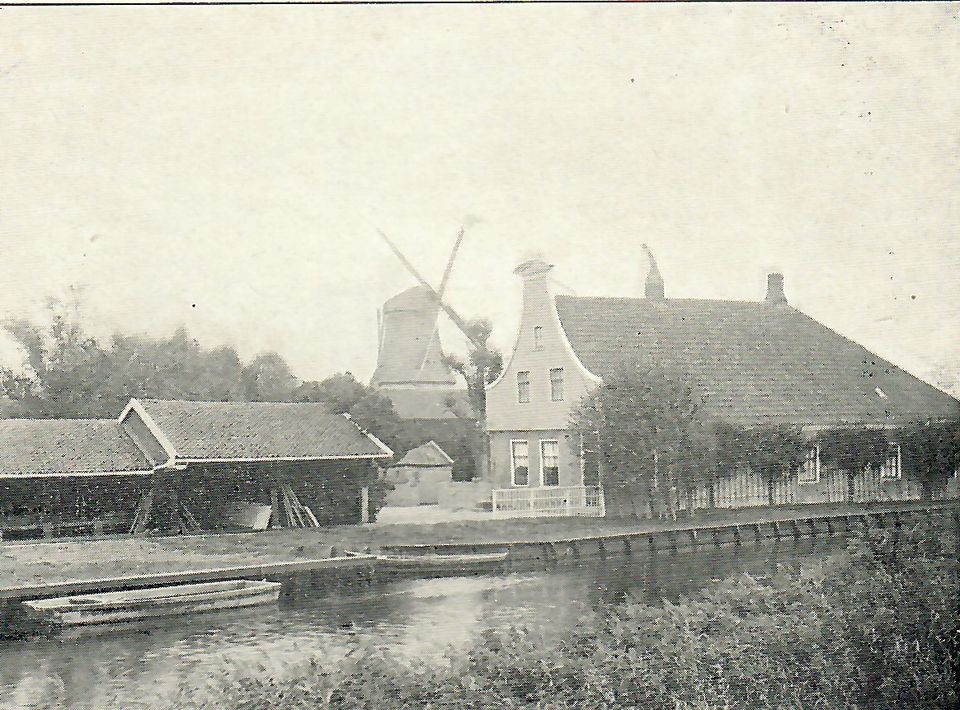
At the Purmerwerf on the Purmerringvaart stood the Polder House where the Purmer water board met. This is what the Purmerwerf with the Polderhuis looked like.
Purmerwerf
At the Purmerwerf on the Purmerringvaart stood the Polder House where the Purmer water board met. This is what the Purmerwerf with the Polderhuis looked like.
From the reclamation, the Purmer had its own water board. The daily board consisted of a dike grave and three heemraden. The board usually met in Edam in the no longer existing Prinsenhof, where they had their own room. The chairs had beautiful cushions on which the Purmer coat of arms was embroidered. From 1830, meetings were held in the Edam town hall on Damplein. Other meeting locations were later the school in the Purmerbuurt and the Polderhuis on the Purmerwerf, near the Purmerringvaart in Edam. The Purmerwerf and the Polder House no longer exist.
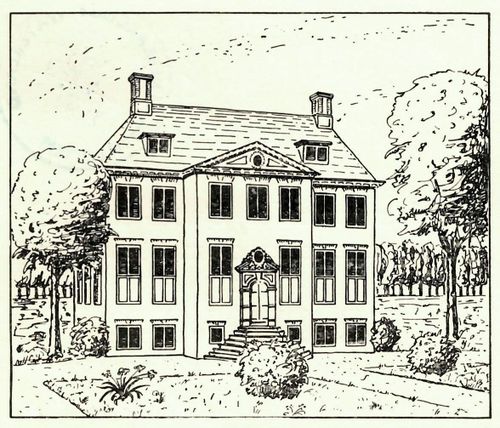
Stella Maris (formerly Ransbosch)
Where farm Stella Maris now stands at 30 Oosterweg, in the 17th century stood a distinguished manor house: Ransbosch with three floors and several cellars.
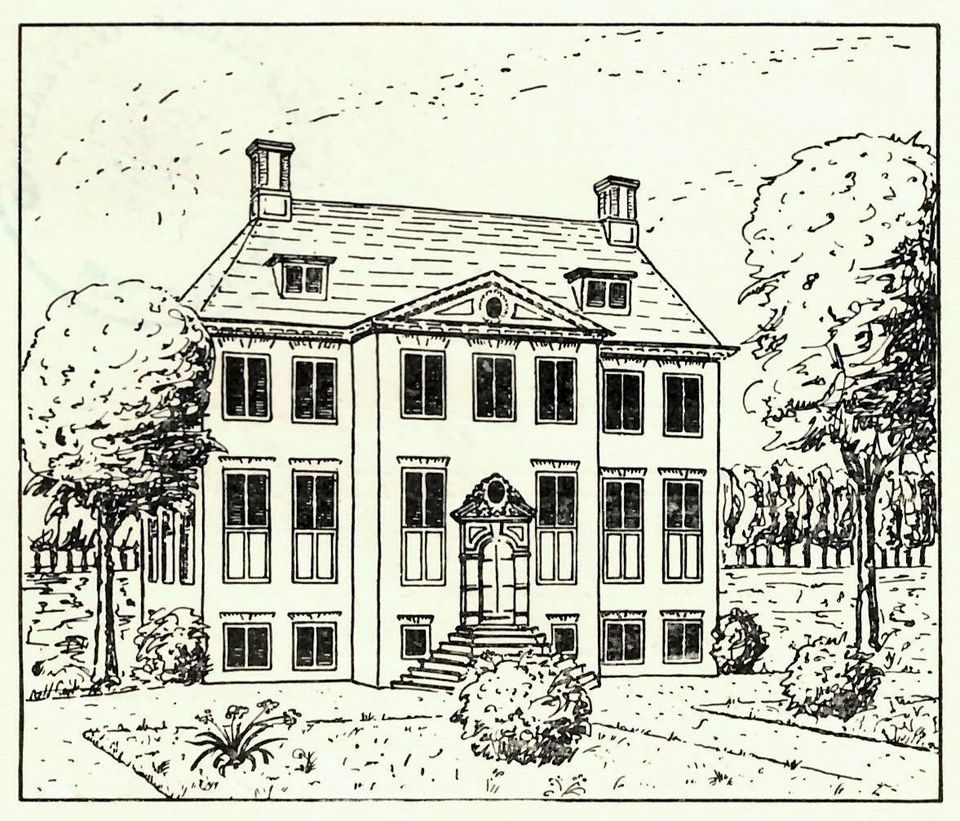
Stella Maris (formerly Ransbosch)
Where farm Stella Maris now stands at 30 Oosterweg, in the 17th century stood a distinguished manor house: Ransbosch with three floors and several cellars.
The house was designed by the well-known architect Philip Vingboons, who also designed the Westwijck country house on Westerweg. A moat was dug around the house. Ransbosch also had an orchard, vegetable and flower gardens and even a vineyard. Inside, some rooms were papered with expensive gold-leather wallpaper. The house belonged to the Ranst family who were originally from Bruges in Belgium but had moved to the Netherlands. After the demolition of Ransbosch, a farm came up on the site. The current farmhouse is only a few years old.
Cheese factory The Purmer
In the early 20th century, two cheese factories were built in the Purmer.
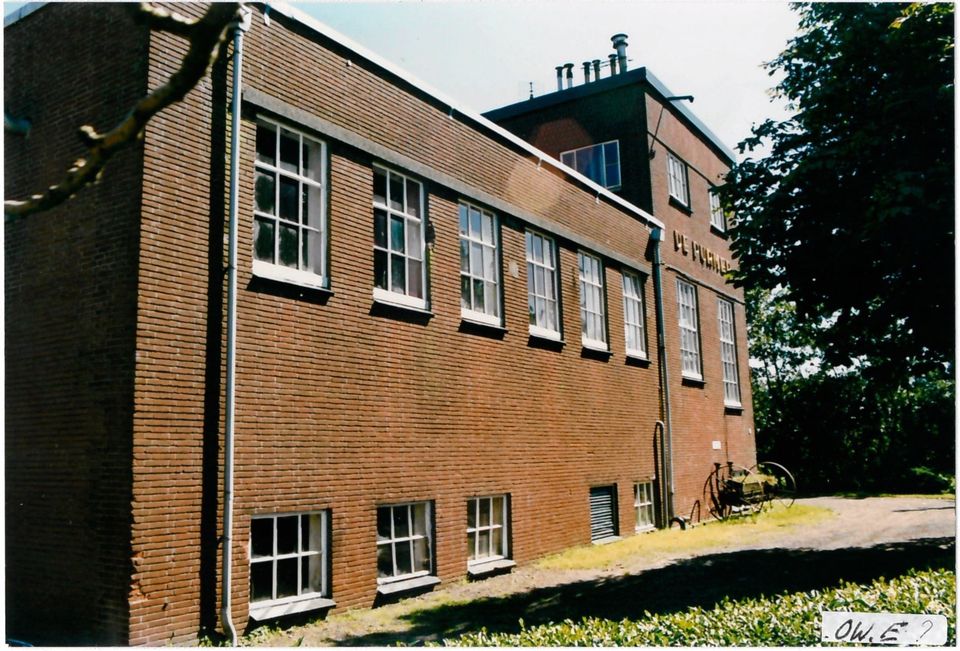
Cheese factory The Purmer
In the early 20th century, two cheese factories were built in the Purmer.
At Kwadijk De Verwachting (1904) and a cheese factory (1901) at Oosterweg 4 called De Purmer. Farmers from the Purmer brought their milk here from which cheese and butter were made. The current building replaced the original cheese factory but has long since ceased to be used as a dairy.
Fire Purifier church
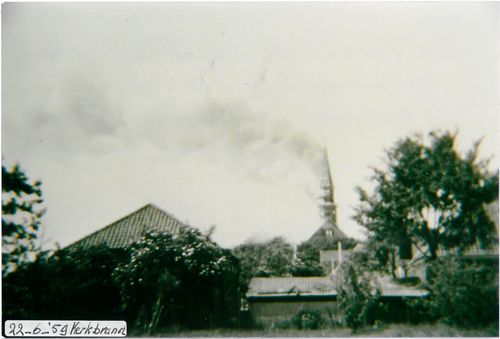
The first church in the Purmer was inaugurated in 1865. This church burned down in 1959 and largely collapsed.
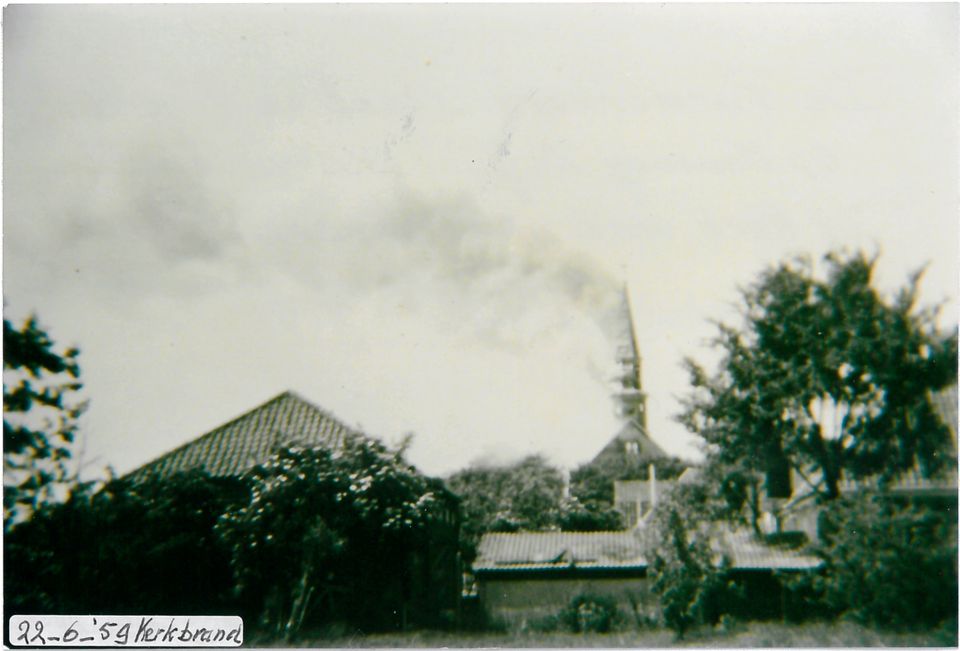
Fire Purmer Church
The first church in the Purmer was inaugurated in 1865. This church burned down in 1959 and largely collapsed.
The fire started during maintenance work on the church. Hundreds of people watched the church being destroyed by the fire. They saw the tower cock fall from the tall tower, they saw the tower crumble and the roof collapse. In short, the entire church was destroyed. The thick clouds of smoke could be seen far into the surroundings. After the fire, the present church was built.
Read more about the history of the Purerkerk.
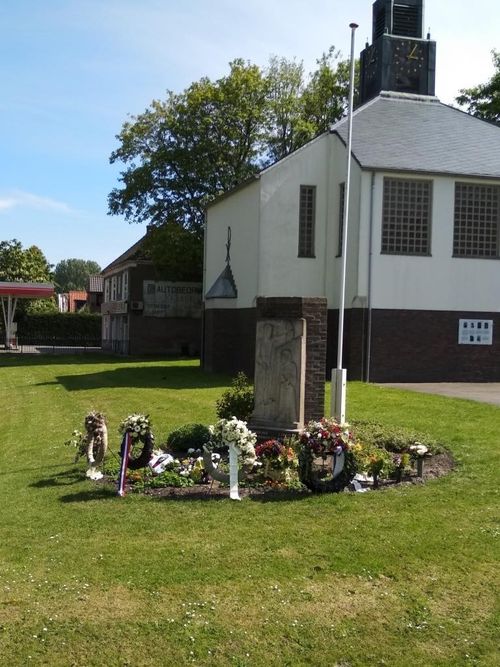
Purmer church monument
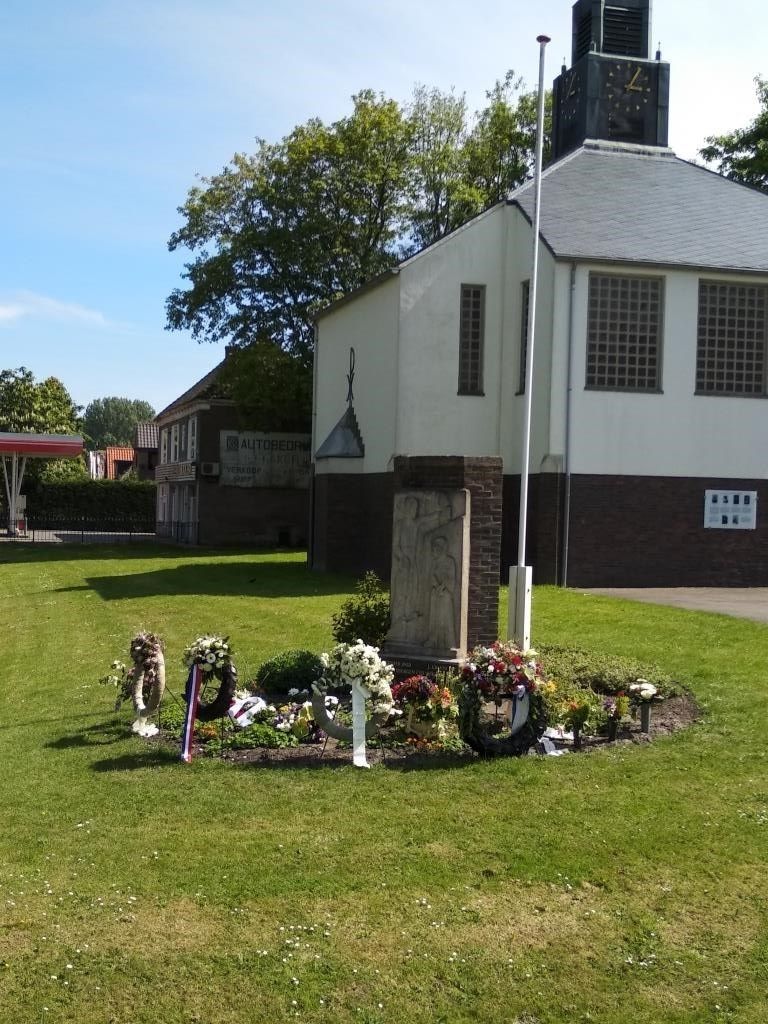
In 1950, near the Reformed church in the Purmer, this monument was erected in memory of four residents from the Purmer who died as a result of the war.
Purmer church monument
In 1950, near the Reformed church in the Purmer, this monument was erected in memory of four residents from the Purmer who died as a result of the war.
Sergeant Simon de Ridder (killed in plane crash), Dirk Schaatsbergen (machinist on the torpedoed, and still missing, submarine O13), resistance fighter Jacob Groot and Simon Groot (crew member torpedoed merchant ship).