
Ode to the picturesque landscape sub-route 3
With this sub-route, you will cycle past the most beautiful spots of Zaanstad, Wormerland, Landsmeer and Oostzaan. Discover the landscape that fascinated Claude Monet and visit Anton Heyboer's colourful studio.
Want to take beautiful pictures? Then Laag Holland Holland is the place to be, especially on a sunny day, with its wide views over the Markermeer, interrupted here and there by a sailing boat. Stately windmills that recall times when they were still hard at work grinding polders dry. Vast meadows with grazing cows and sheep and twittering birds. Picturesque villages with old, monumental buildings with special facades where the atmosphere of yesteryear is still tangible. Here and there with a touch of traditional costume. It is the image that many foreigners have of the Netherlands and that people from all over the world come to enjoy.
And also visiting artists...
Want to take beautiful pictures? Then Laag Holland Holland is the place to be, especially on a sunny day, with its wide views over the Markermeer, interrupted here and there by a sailing boat. Stately windmills that recall times when they were still hard at work grinding polders dry. Vast meadows with grazing cows and sheep and twittering birds. Picturesque villages with old, monumental buildings with special facades where the atmosphere of yesteryear is still tangible. Here and there with a touch of traditional costume. It is the image that many foreigners have of the Netherlands and that people from all over the world come to enjoy.
And artists have also been visiting Laag Holland for centuries. Over the years, Laag Holland has been home to several great talents. For instance, Fabritius (Rembrandt's most talented pupil) was born and raised in De Beemster. The eccentric Anton Heyboer lived in Den Ilp with his five wives and created tens of thousands of beautiful works here. Maarten Oortwijn has mapped the development of his hometown Purmerend over the years with his drawings.
Of course, there were also passers-by. How about Paul Signac? He paid for his stay at Hotel Spaander (Volendam) with a work of art. It turned out to be the most expensive paid overnight stay ever. Extraordinary isn't it! And Jan Toorop created one of his most famous works in picturesque Broek in Waterland. The painting went all over the world. And finally, French impressionist Claude Monet. Who does not know him? He became so inspired by the Zaan region that he made about 35 works of art from it.
Would you like to know where these icons have been? What they did and saw? And why they were so fascinated by Laag Holland? Find out with this (sub)route and follow in their footsteps for one (or more) days. Discover Laag Holland the way they did and cycle through the landscapes that inspired them and experience the atmosphere of the historic villages that sheltered them. Follow this route in the footsteps of the famous painters; it promises to be a unique experience!
This route has been developed as a circular tour. It is therefore possible to start at any point. The route consists of about 37 km and also shows you a beautiful glimpse of picturesque Laag Holland, with various break points along the way. From catering establishments to museums, all located along the route.
Tips on the go:
- Visit the Zaans Museum and admire a real Claude Monet
- As you cycle through the Zaan bend in Wormer, you imagine yourself in Arnold de Lange's painting (inspired by old masters)
- See the impressive rusk tower in Wormer
- Along the way, you will see several mills including Molen de Koker, with Beethoven's scores and, further along, the Necker mill along the North Holland Canal
- Pause in Purmerend and take in the historic Koemarkt and the Purmerends Museum (Tip! During summer 2021 with exhibition of local and amateur landscape painters during the 'Ode to the landscape' exhibition)
- Become one with nature at visitor centre Ilperveld or at Oostzanerveld. Enjoy the endless views over the unique peat meadow landscape, where various boating excursions are possible
- Visit the Anton Heyboer gallery in Landsmeer
- See the Twiske Mill, an unusual inhabited water mill.
This is a sub-route of the entire route 'Ode to the scenic Laag Holland landscape, click here for the full route.
You are going to see this
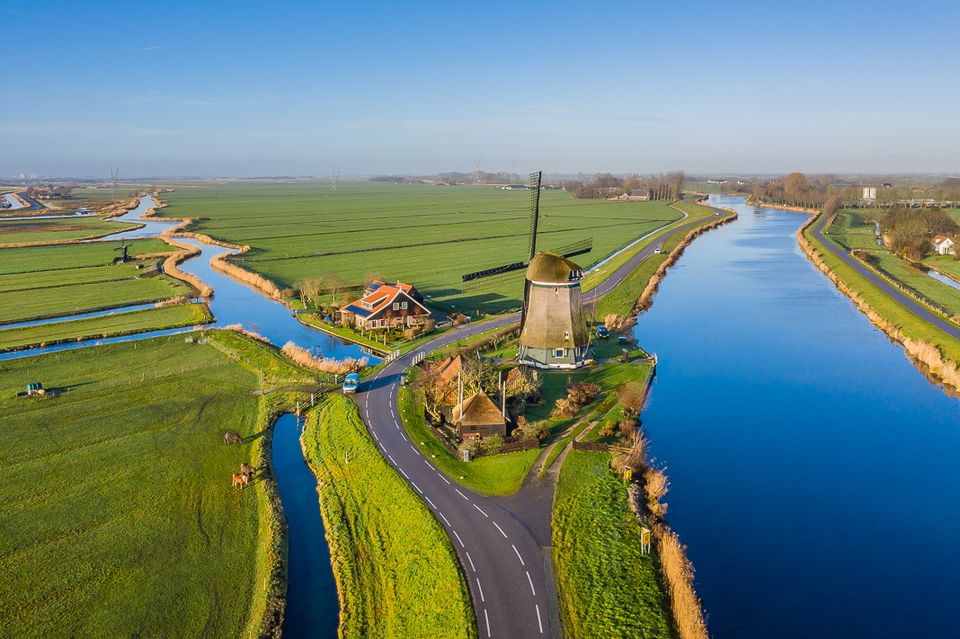
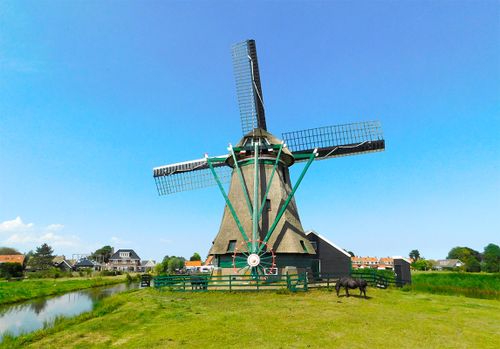
The Neckermolen
The Neckermolen (Nekker mill) from 1631 is a reed-covered octagonal ground-sailor with an old Dutch sails. Together with an electric pumping station, the polder mill pumps the Wormer, Jisp and Neck water board.
The Neckermolen
The Neckermolen (Nekker mill) from 1631 is a reed-covered octagonal ground-sailor with an old Dutch sails. Together with an electric pumping station, the polder mill pumps the Wormer, Jisp and Neck water board.
Flour mill De Koker
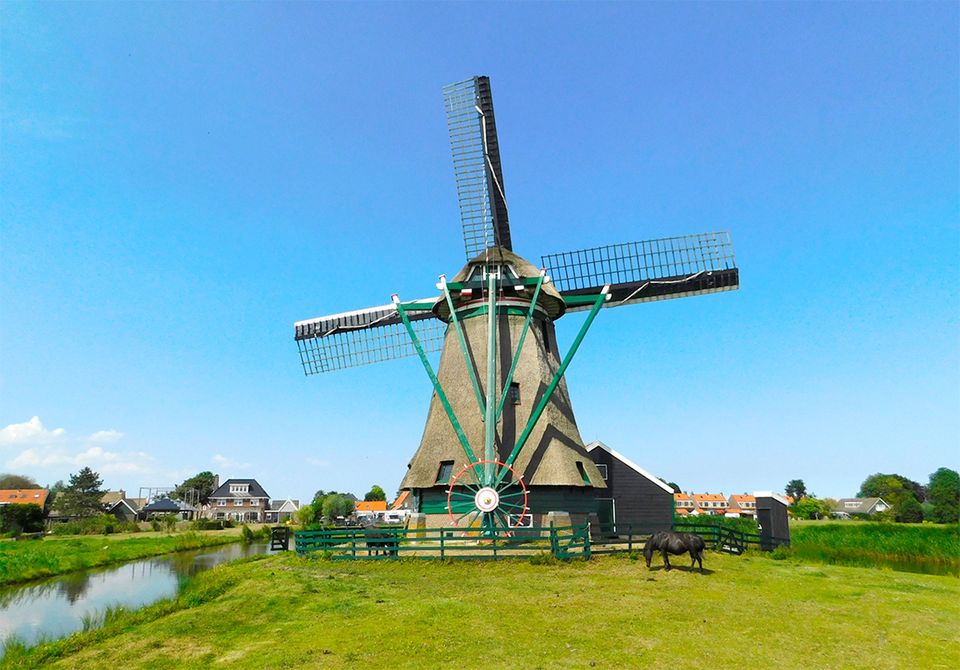
The history of De Koker dates back to 1592, the year the flour mill was first mentioned. Together with other mills, it ground flour for ships' rusks and for the starch used to keep lace collars in shape.
Flour mill De Koker
The history of De Koker dates back to 1592, the year the flour mill was first mentioned. Together with other mills, it ground flour for ships' rusks and for the starch used to keep lace collars in shape.
Ship's rusk was eaten on board the ships of the VOC and WIC. Ship's rusks were nutritious and kept for a very long time. De Koker is the only remaining flour mill that made the flour for ship rusks.
In the 19th century, the mill burned and was struck by lightning after being rebuilt. Thanks to a flour mill from Graft, De Koker could be rebuilt again. In1928, the mill fell into disuse only to be added to the property of De Zaansche Molen 20 years later in deplorable condition. Needless to say, De Koker was restored.
Remarkably, until the end of the 19th century, the mill was supplied with grain by means of a boat that sailed up to the mill.
Rusk Tower
The tower marks an important piece of history of Wormer/Jisp at the time of the whaling and rusk-baking industries.
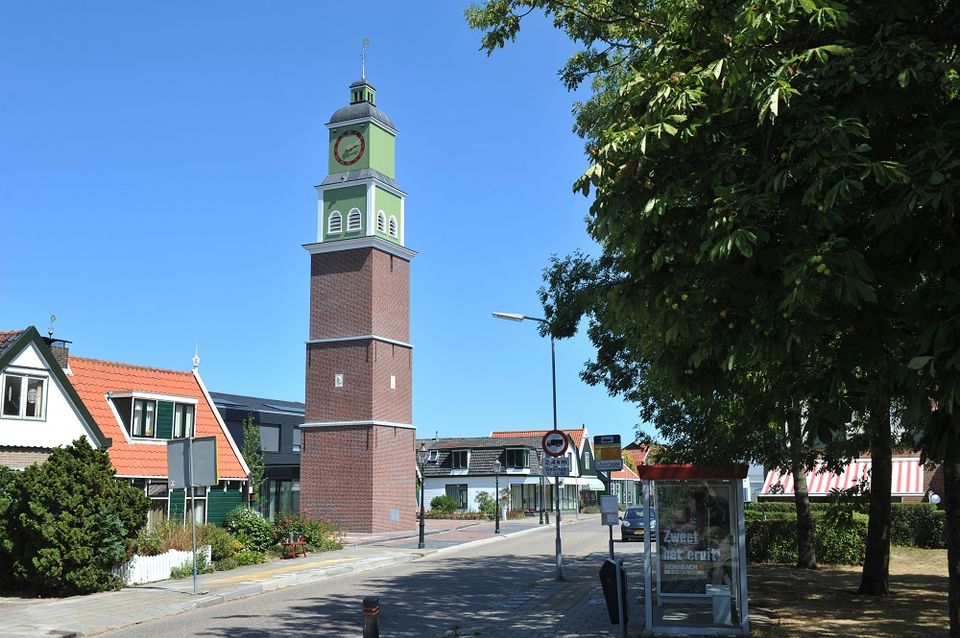
Rusk Tower
The tower marks an important piece of history of Wormer/Jisp at the time of the whaling and rusk-baking industries.
The baking of rusks largely took place in wooden buildings. To prevent fire, it was decided by the municipal council on 20 December 1605 that the fireplaces of the ovens had to remain extinguished between 6pm-24am to prevent overheating. After first the night watchman signalled the time signals with his radel through the village, later the church bell signalled it. However, because in the western part of the village the church bell could not be heard properly in certain wind directions, an additional detached bell tower was built in 1620.
Arnold de Lange: Zaanbocht
Arnold de Lange, born in Wormerveer in 1968, is self-taught and, as a painter, takes inspiration from the old masters of the 17th, 18th and 19th centuries.
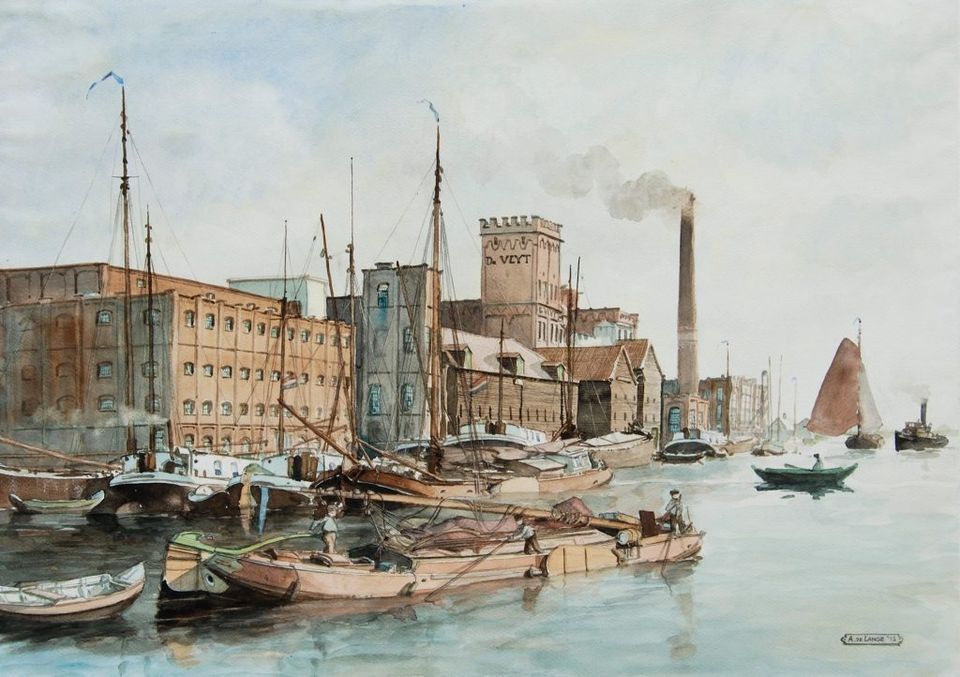
Arnold de Lange: Zaanbocht
Arnold de Lange, born in Wormerveer in 1968, is self-taught and, as a painter, takes inspiration from the old masters of the 17th, 18th and 19th centuries.
He mainly focuses on painting figurative subjects such as landscapes, village views and prints of the Zaan and North Holland countryside, and lately also a lot of maritime works with mainly ship portraits of Dutch classic ships, newly built with classic lines or ships from earlier centuries. His oeuvre also includes other maritime subjects such as inland navigation scenes or coastal and seascapes.
These maritime works stem from two of the painter's passions n.v. maritime history and painting. Before putting an idea for a painting on canvas, Arnold does a lot of research into the subject he wants to depict. To do this, he visits shipping museums where he studies ship models or dives into archives in search of, for instance, construction drawings of ships he wants to portray. The artist gets much of his knowledge from books in his library at home.
His paintings are regularly exhibited and used as illustrations for books and magazines, and several institutions and private collectors of maritime art own works by him.
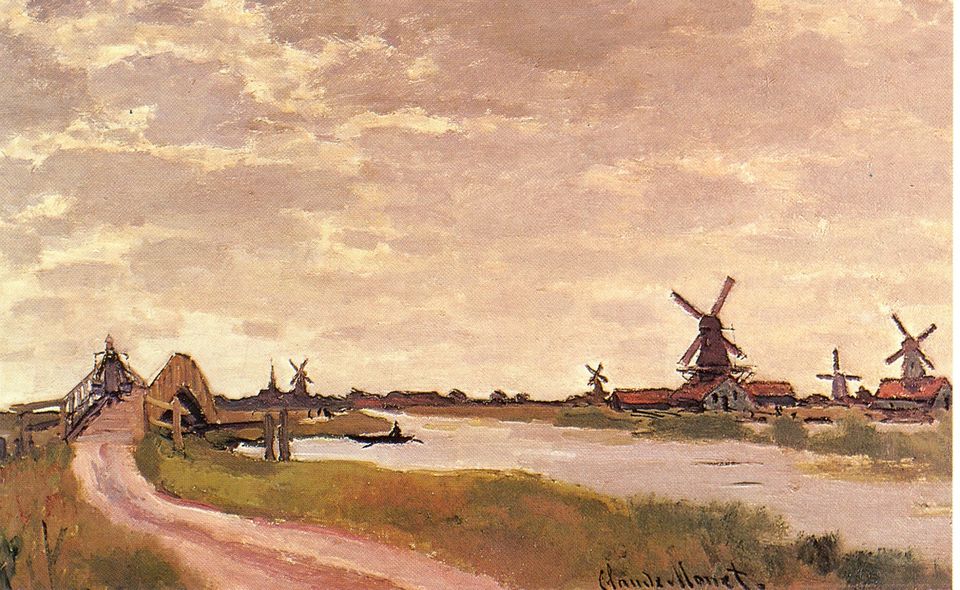
Claude Monet: Haaldersbroek in 1871
During his visit to Zaandam, Monet was so impressed by the Zaanse landscape, mills and wooden ships that he produced 25 paintings and nine sketches of them.
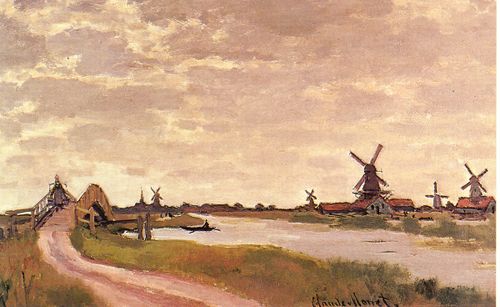
Claude Monet: Haaldersbroek in 1871
During his visit to Zaandam, Monet was so impressed by the Zaanse landscape, mills and wooden ships that he produced 25 paintings and nine sketches of them.
His works showcase multicoloured buildings, windmills, wooden houses, beautiful cloudscapes, shipping and activity. The landscape and some of the places he visited can still be seen today on a guided walk through the centre of Zaandam. You will walk past several places where Monet made his paintings at the time, such as the famous blue house and the place where Monet painted the painting 'De Voorzaan en de Westerhem'.
If you would like to see this Monet work in real life after the walk, set course towards the Zaans Museum. They acquired it a few years ago. Besides, here you can admire all the paintings and sketches Monet made in Zaandam in 1871 in full size in an interactive presentation. Even the letter Monet wrote to his good friend and painter Camille Pissarro on the day of his arrival in Zaandam can be found here.
Zaans Museum
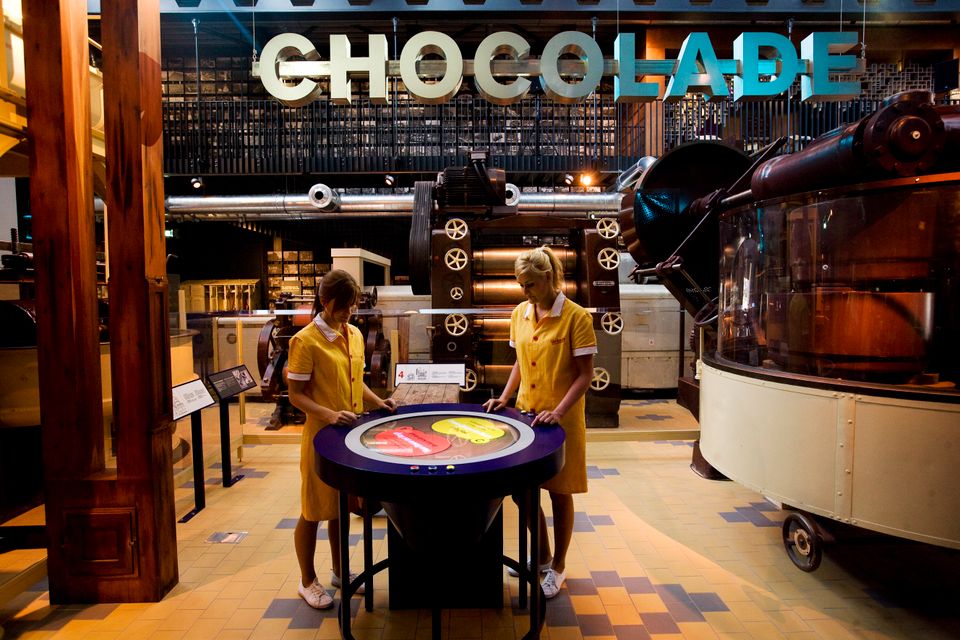
Are you looking for a unique and educational experience? Then dive into the fascinating world of the Zaans Museum! Located on the famous Zaanse Schans.
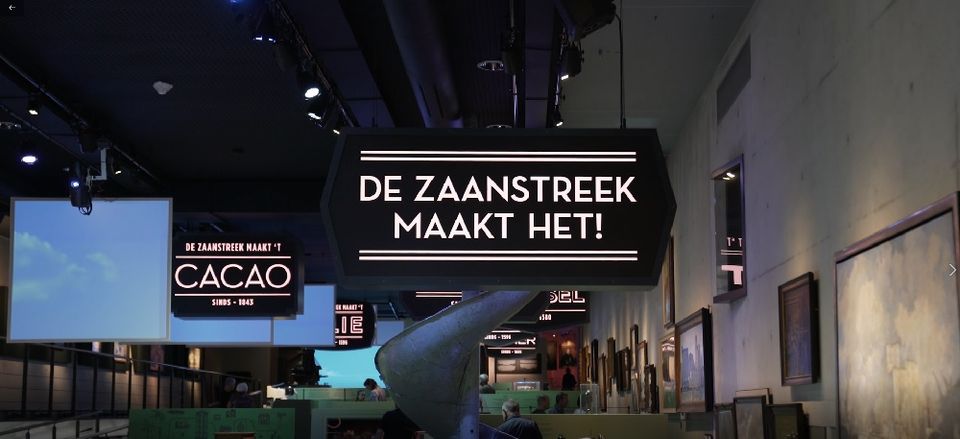
Zaans Museum
Are you looking for a unique and educational experience? Then dive into the fascinating world of the Zaans Museum! Located on the famous Zaanse Schans.
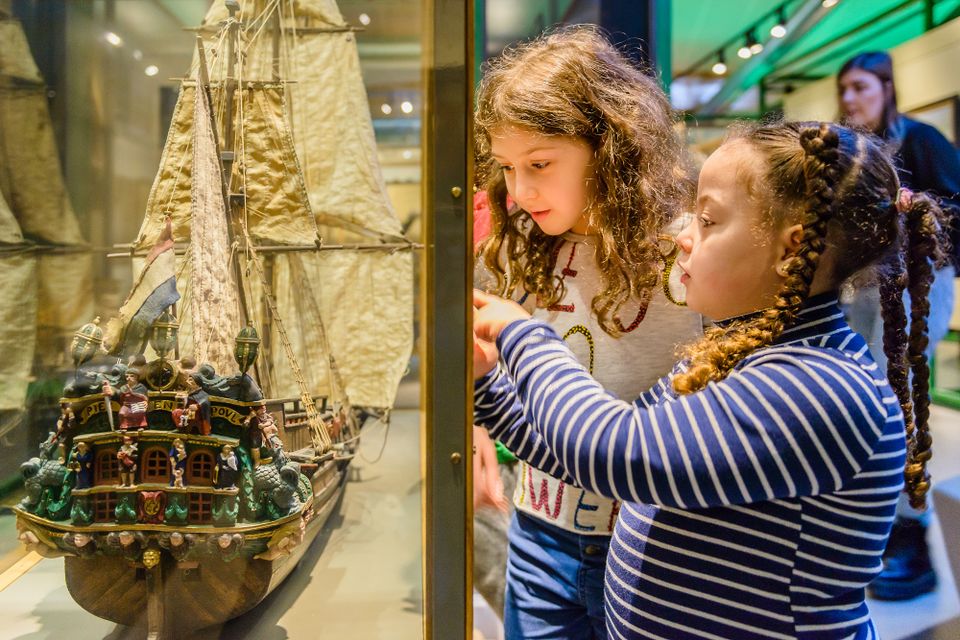
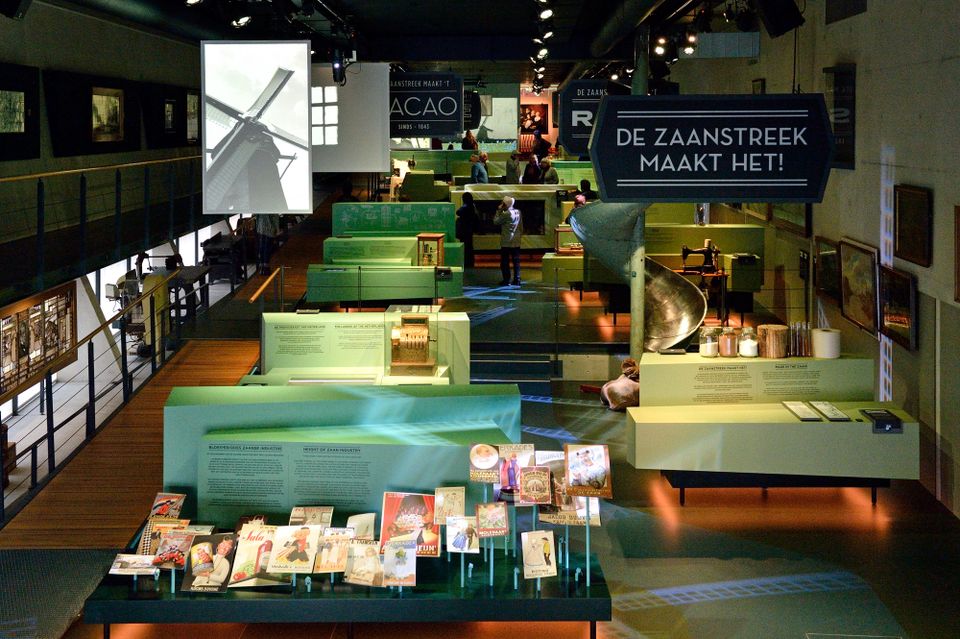
Fascinating collection takes you through the centuries. Admire historical objects, works of art, photos and documents that illustrate the unique Zaan identity. Stroll through authentic Zaanse interiors, experience how a merchant family lived in the Honig Breet House, or dive into the Verkade Experience and learn all about the famous biscuit factory.
Be surprised by the changing exhibitions, which delve deeper into specific aspects of Zaanse culture and history. From craft traditions to ground-breaking innovations, there is always something new to discover.
Join the adventure! Zaans Museum regularly organises guided tours, workshops and other activities for young and old. Get to know the Zaans clog makers, learn how to bake your own biscuits or go on a treasure hunt through the museum with the children.
The Oostzanerveld
The Oostzanerveld is a hidden gem in an urban setting.
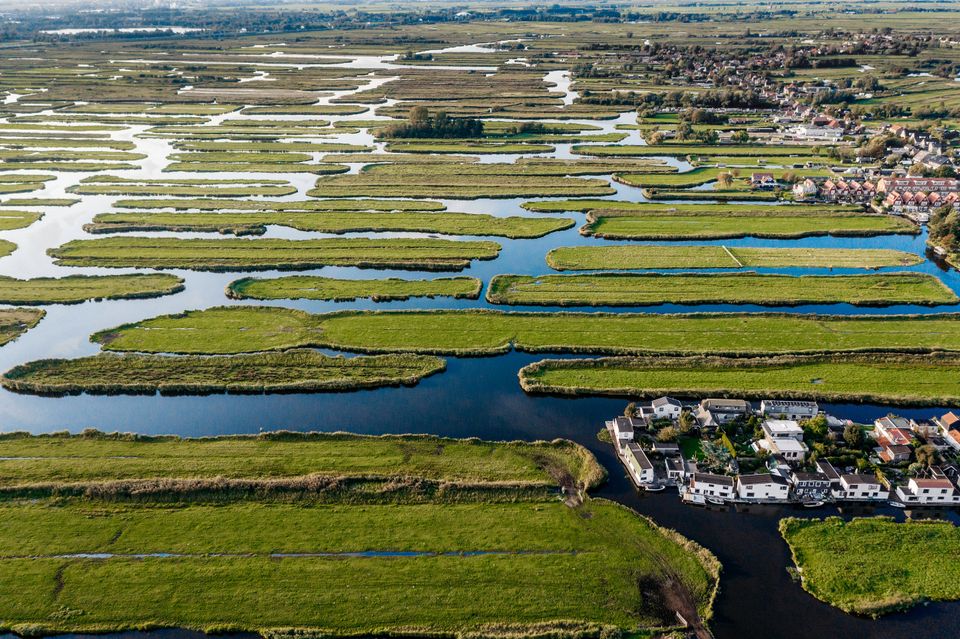
The Oostzanerveld
The Oostzanerveld is a hidden gem in an urban setting.
This unique peat meadow area consists of hundreds of islets and ditches, and is best admired from the water. In the past, so-called "vaarboeren" (boat farmers) sailed from island to island with their flatboats to milk or move their cows. Some of these boating farmers are still active, such as at De Vaarboerderij in Oostzaan.
From the reed-lined ditches, the curious cows, sheep and horses love to take a look at the waterfront. The area is loved not only by cattle, but also by numerous meadow birds such as the black-tailed godwit, lapwing and redshank. No wonder the Oostzanerveld has been declared a Natura 2000 area - a place where people and nature come together in peace and quiet, just a stone's throw from Amsterdam!
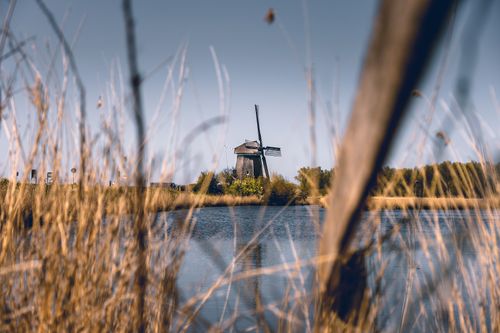
Listen | Twiskemolen
The Twiskemolen has stood on the border between the municipalities of Landsmeer and Oostzaan since 1974. Looking at the dates on the mill, it is immediately obvious that the mill is much older.

Listen | Twiskemolen
The Twiskemolen has stood on the border between the municipalities of Landsmeer and Oostzaan since 1974. Looking at the dates on the mill, it is immediately obvious that the mill is much older.
The Twiskemolen was originally built in 1541. Only then it was not in Het Twiske, but about 40 km away in Barsingerhorn. When people were looking for a mill for Het Twiske, this mill - then stored in Nieuw-Vennep - was bought in the late 1960s.
The Twiskemolen is one of the few polder mills in the Netherlands that is still actually in operation and is managed by a volunteer miller. For decades, the monumental mill combined with an electric drive has been pumping the approximately 650-hectare Twiske polder. Did you know that in one minute the mill can grind 20 to 60 cubic metres of water one and a half metres up to the other side of the dike?
Next to the windmill, on the dike, is an information panel where you can read more about the Twiskemolen.
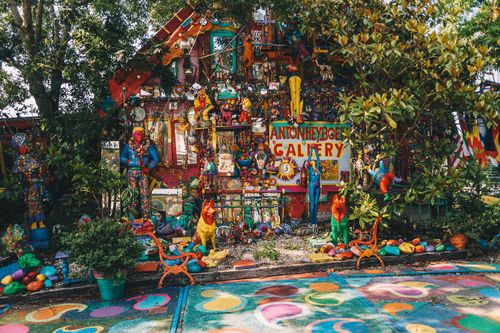
Anton Heyboer Art Gallery
Anton Heyboer is one of the most famous artists of the past century.
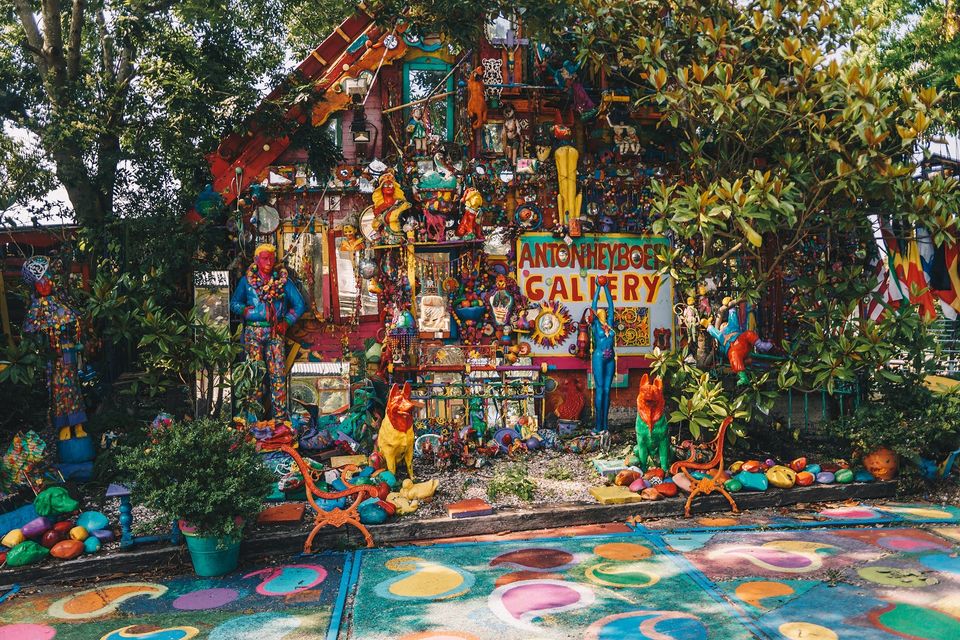
Anton Heyboer Art Gallery
Anton Heyboer is one of the most famous artists of the past century.
Many of his works have been acquired by international museums. And no these are not the least... Think Museum of Modern Art in New York, Museum of Fine Arts in Boston and Ohara Museum of Art in Japan.
But to admire Anton Heyboer's work, you don't have to travel far. You will find the Anton Heyboer Gallery in Den Ilp. Until his death in 2005, Anton Heyboer lived here with his five wives and made tens of thousands of works. His 'fifth' wife Petra Heyboer opened the Anton Heyboer Art Gallery where you can admire and buy original works by Anton Heyboer from Wednesday to Sunday.
Purmerends Museum
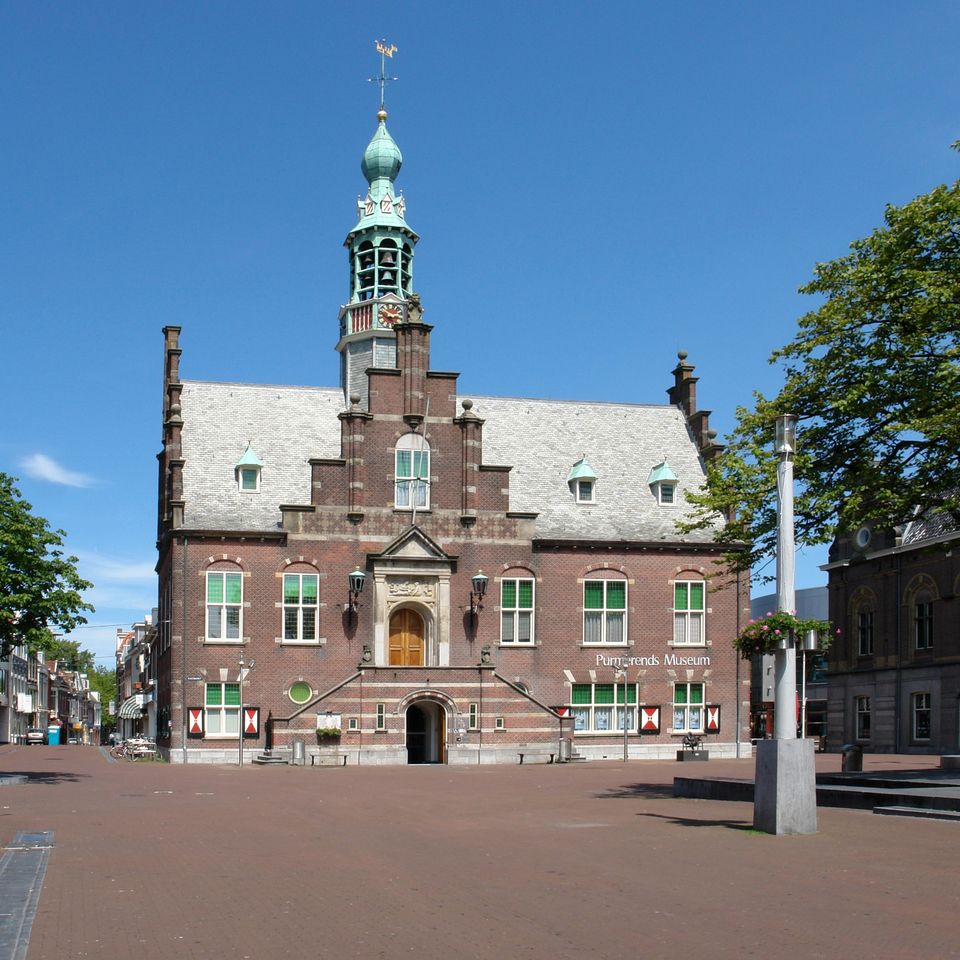
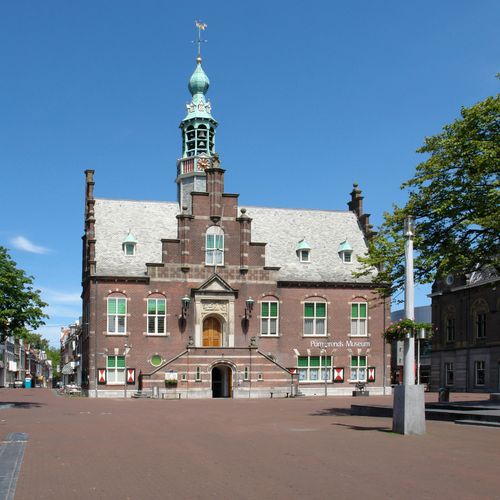
In the heart of Purmerend, in the middle of the Kaasmarkt, stands the Purmerends Museum. This former town hall tells the history of Purmerend; from fishing village to market town between the reclamations of the Beemster, the Purmer and the Wormer.
Purmerends Museum
In the heart of Purmerend, in the middle of the Kaasmarkt, stands the Purmerends Museum. This former town hall tells the history of Purmerend; from fishing village to market town between the reclamations of the Beemster, the Purmer and the Wormer.
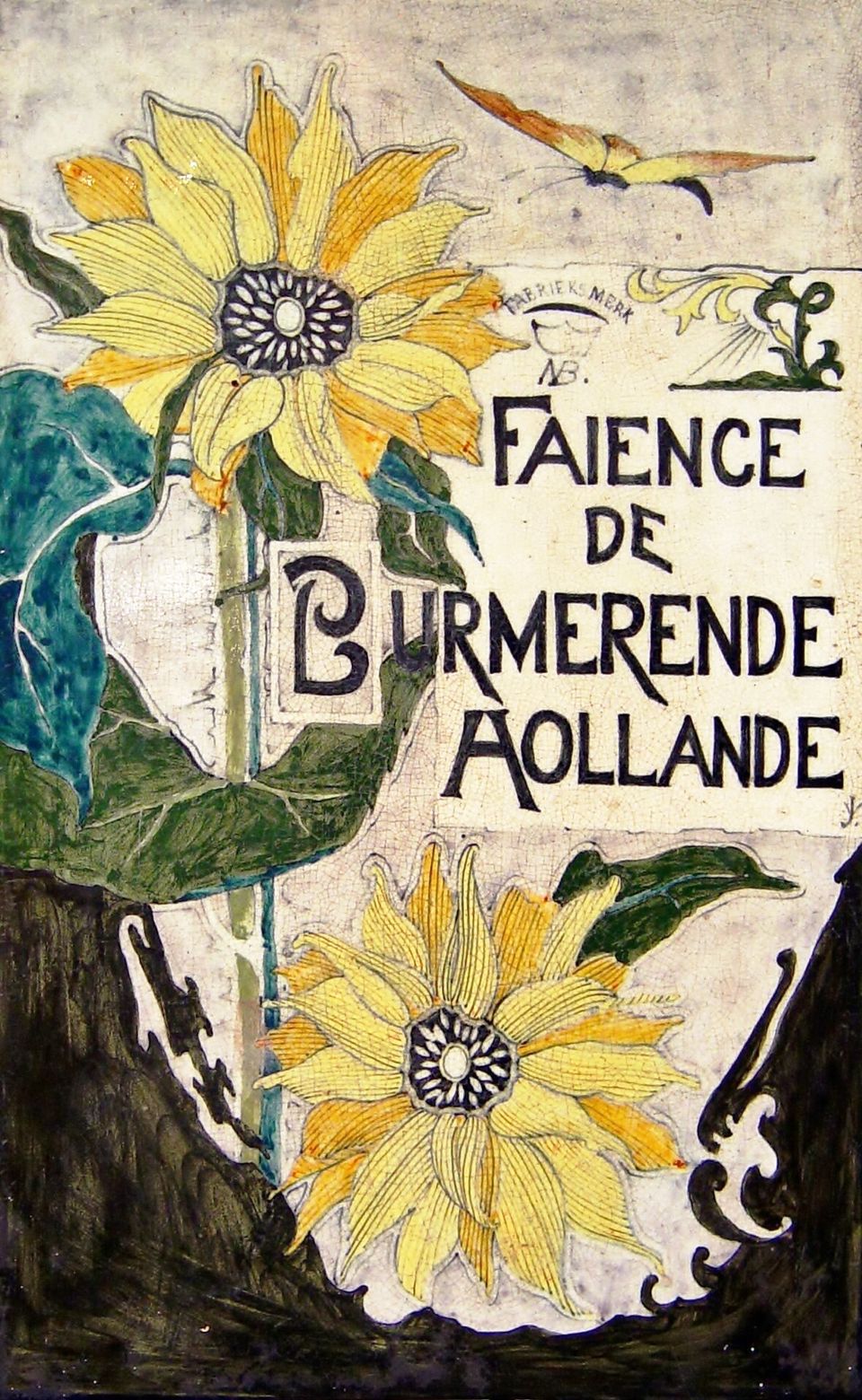
In addition, the museum displays early work by Purmerend-born architects and designers J.J.P. Oud and Mart Stam and designer Jac. Jongert, known for the classic Van Nelle house style. The museum also has the largest collection of Purmerends Jugendstil pottery from the period 1895-1907 with beautiful vases, bowls and sculptures by the earthenware bakeries Wed. N.S.A. Brantjes & Co, NV Haga, L. Huisenga and Jb Vet & Co.
The museum also hosts temporary exhibitions throughout the year, often focusing on themes related to the history of the city and region or (hand-painted) ceramics.
In the Museum Shop and VVV Purmerend adjacent to the museum, visitors will find all kinds of information about the town and region, such as maps, folders and cycling and walking routes, as well as various local and regional products, books and small promotional gifts.
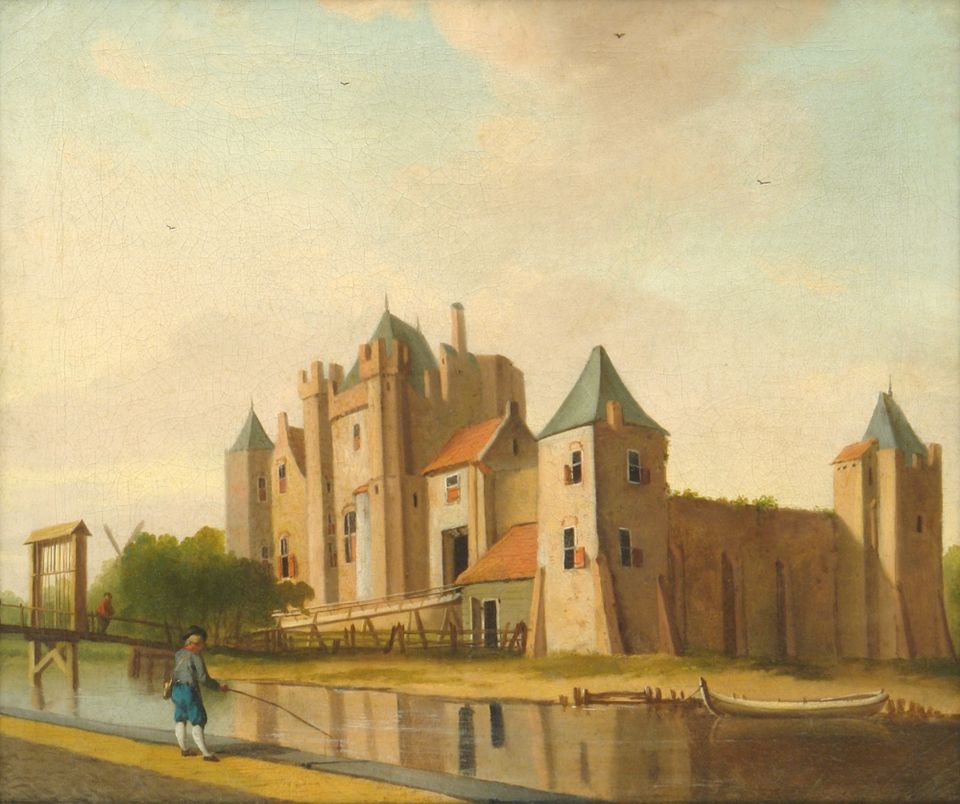
Painter unknown: Koemarkt in Purmerend
The painting is an oil on canvas. The depiction gives a good idea of the functioning of the Beestemarckt, as the Koemarkt was then called.
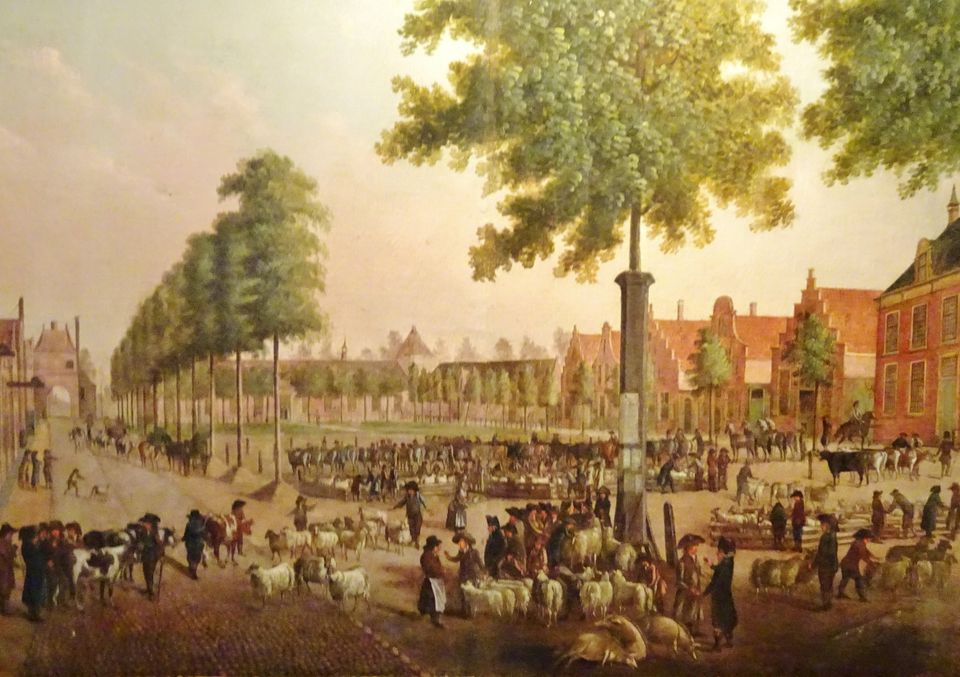
Painter unknown: Koemarkt in Purmerend
The painting is an oil on canvas. The depiction gives a good idea of the functioning of the Beestemarckt, as the Koemarkt was then called.
After the reclamations of the Beemster, Purmer and Wormer in the early 17th century, Purmerend had become an important market town, selling the agricultural produce of the surrounding countryside. And that meant a lively and busy market. A farmer with cows just passed through the Purmerpoort. Not only cows, but also sheep, pigs and horses are waiting for a new owner. Here they are engaged in handshaking. The cows are tied to a rope stretched between posts. The sheep and pigs are herded together and on the large tree in the middle hangs an announcement the sale of horses. The painting is unique because no other paintings of the Koemarkt from this period are known.
- 33
- 45
- 93
- 94
- 73
- 50
- 74
- 12
- 17
- 16
- 19
- 20
- 15
- 13
- 14
- 32