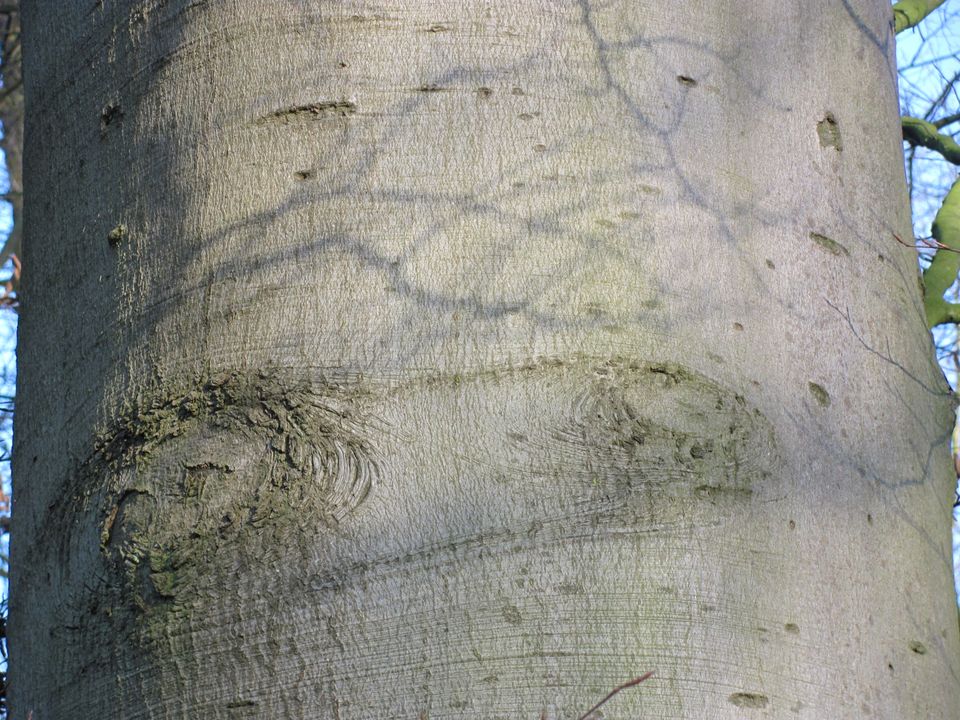
Brown Beech | Fagus sylvatica 'Atropunicea'
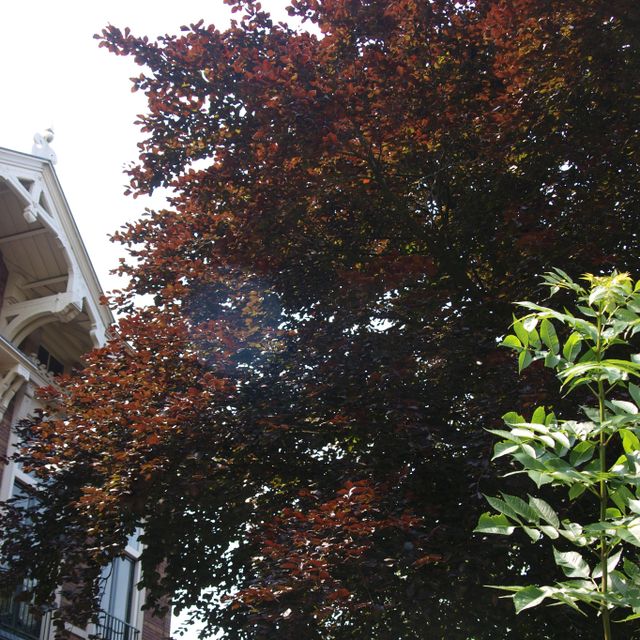
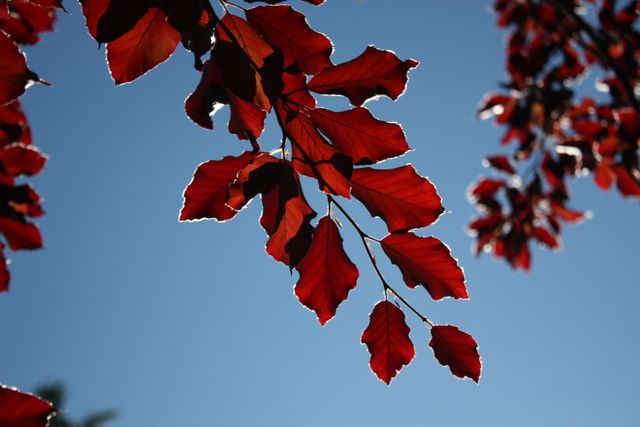
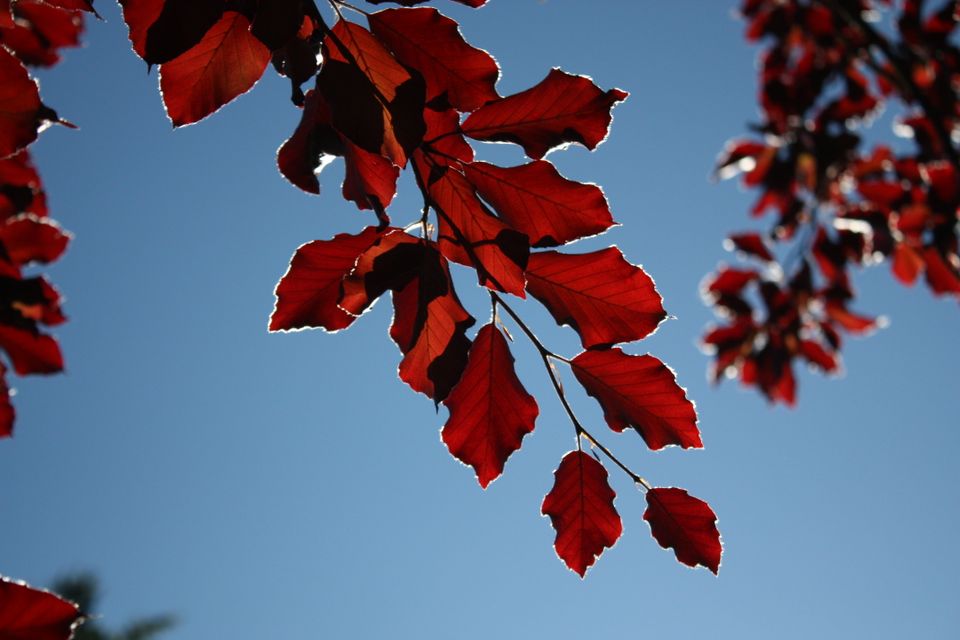
Beech is native to the Netherlands and red beech occasionally appears in seedlings at nurseries. Around 1770, the cultivated variety was selected. Somewhere in central Europe, the tree was noticed.
There are several species of beech, but this brown beech is found only in Europe. Beech trees belong to the so-called nap bearer family: the v...
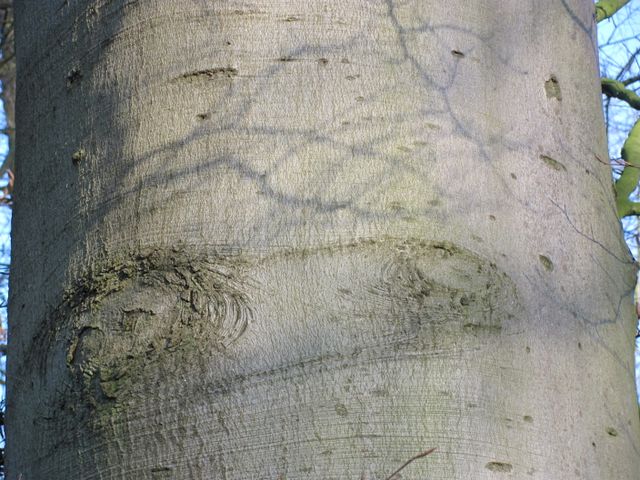
There are several species of beech, but this brown beech is found only in Europe. Beech trees belong to the so-called nap bearer family: the fruit is protected by a nap. Incidentally, beeches do not want to grow everywhere. The tree occurs in the final stage of forest development. The soil should be moist and permeable. The water table should not be too high, but not too dry either. Beech lives in symbiosis with a fungus. This means that without the fungus, the tree has difficulty growing. But when they do grow, they can become hefty trees! In forests, 35 metres is no exception. As solitary trees, they also grow very wide. Because of the acid leaves and the dense crown, little wants to grow under a beech. Beech forests are therefore very open. Red-leaved beeches are very popular in large gardens and estates and in special places in parks. Did you know that there are also columnar beeches? Yellow, green and red? The name says it all: these beeches are columnar and have an upright habit. That is why they are also suitable for a somewhat smaller garden.