
Listen | Het Wapen van Oostzaan
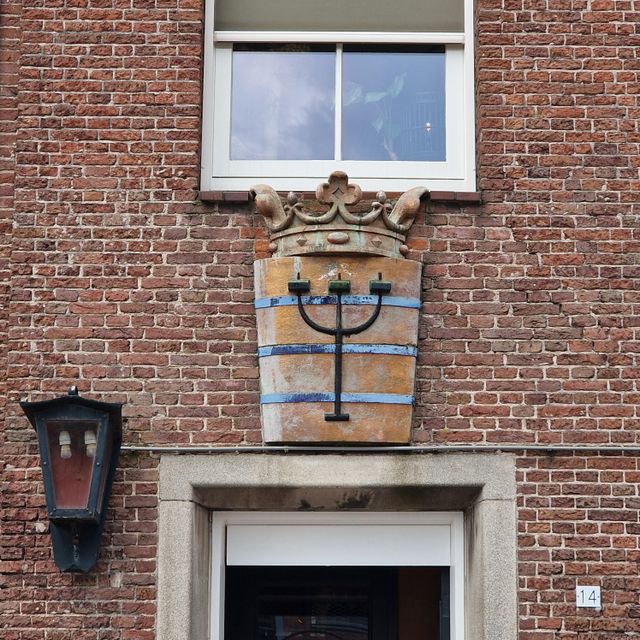
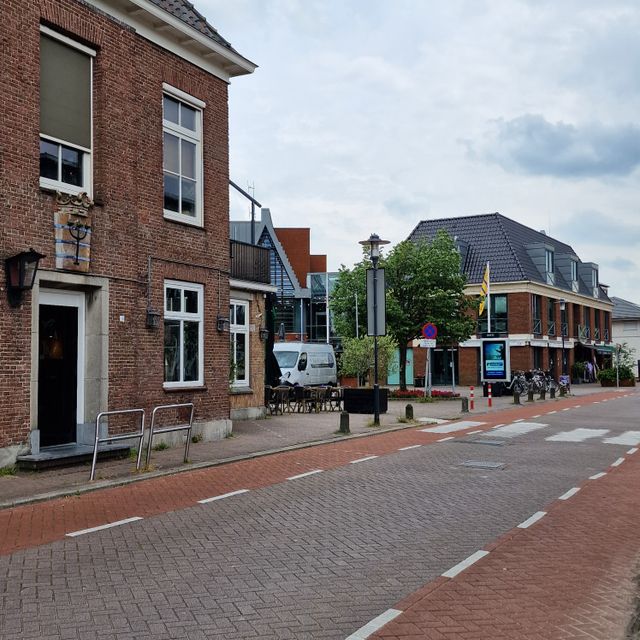
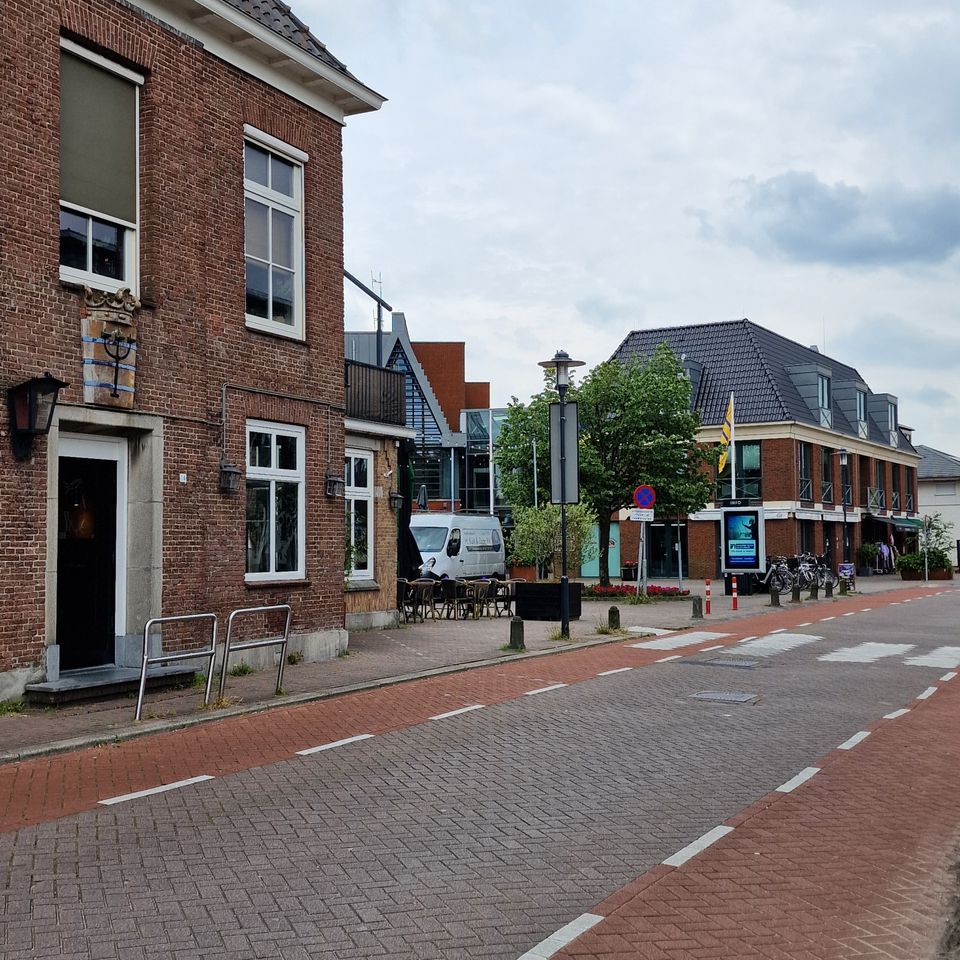
Above the door of Restaurant The Bull hangs a beautiful plaque with the Coat of Arms of Oostzaan. This coat of arms has had two versions over the years (see images).
It was officially granted in 1816, but some elements were added in 1949. To this day, this 1949 version is still used as the Coat of Arms of Oostzaan. The coat of arms consists of a crown, three blue crossbars and a handle containing three enigmatic objects.
The Coat of Arms of Oostzaan has a rich history and has several stories. Originally, the municipality wished to place a helmet with helmets on the coat of arms, but because helmets are not allowed for government arms in Dutch heraldry (heraldry), it was finally decided to use a crown.
About the origin of the grip (trident) with ...
It was officially granted in 1816, but some elements were added in 1949. To this day, this 1949 version is still used as the Coat of Arms of Oostzaan. The coat of arms consists of a crown, three blue crossbars and a handle containing three enigmatic objects.
The Coat of Arms of Oostzaan has a rich history and has several stories. Originally, the municipality wished to place a helmet with helmets on the coat of arms, but because helmets are not allowed for government arms in Dutch heraldry (heraldry), it was finally decided to use a crown.
There are several explanations about the origin of the grip (trident) with the three objects. One story suggests that they are cheeses. But how did cheeses end up on a weapon? Several stories circulate. One of the most exciting versions tells that during a raid on a Spanish ship, an Oostzaanse freebooter stumbled not on soldiers but on three cheeses.
Another possibility is that the objects are coal, referring to the nickname 'Cabbage Eaters' of the Oostzan people. There is also the theory that they are turf. In the 14th century in Oostzaan, responsibility for maintaining a dike was placed on those who lived closest to the dike. If someone could not bear this responsibility, they could symbolically show the authorities that they could not by using a spade to poke three sods out of the dike and place them on a three-toothed hay or dung fork. The shape and colour of the sods match the objects shown on the coat of arms. Whatever its true origin, the coat of arms remains a mysterious symbol of Oostzaan's rich and resilient history.
Unfortunately, nothing is clear about the meaning of the three blue crossbars.