
Listen | Traankokeries
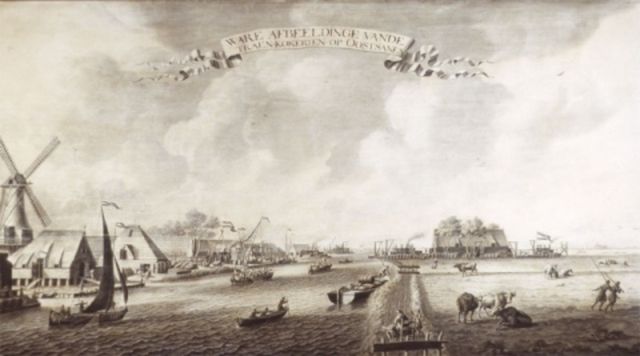
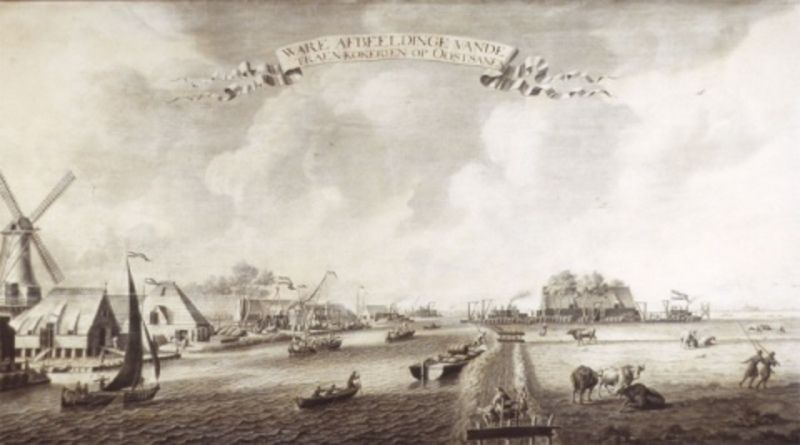
You will shortly cycle through recreation area 't Twiske, much of which belongs to the municipality of Oostzaan. In the 17th and 18th centuries, the river Twiske, from which the area takes its name, served as a supply and drainage route for the tearpipe farms south of the village.
Indeed, many Oostzaan boatmen earned their living catching whales off Spitsbergen and the North Cape. Once they had returned to Oostzaan, the whale cricket, which was very popular at the time, was processed in the whale distilleries. For this purpose, the fatty tissue of captured baleen whales was boiled out under pressure. Because of the resulting stench, the distilleries were located in the open field, as far away from the village centre as possible.
Tears were used for many things. As lamp oil and lubricant and also in...
Indeed, many Oostzaan boatmen earned their living catching whales off Spitsbergen and the North Cape. Once they returned to Oostzaan, the whale crane, which was very popular at the time, was processed in the whale distilleries. For this purpose, the fatty tissue of captured baleen whales was boiled out under pressure. Because of the resulting stench, the distilleries were located in the open field, as far away from the village centre as possible.
Tears were used for many things. As lamp oil and lubricant and also in making soap and candles. An important stuff, in other words! That importance only declined with the advent of patent oil and gas lighting. Moreover, there were also fewer and fewer whales left. After World War II, however, there was a temporary revival of whaling from the Zaan area. This was due to the severe shortage of food fats in our country. When the livestock recovered and catches again became smaller and smaller due to overfishing, this came to an end in the 1960s. Want to know what whale products were sold at this time? Then play the quiz in the menu.
At the next point we will tell you more about the origins of the current layout of recreation area 't Twiske.