
Living peat in the Ilperveld
It may not be immediately visible, but the Ilperveld has suffered a lot for many years. Years ago, the peat meadow area was used for peat extraction and later as a landfill.
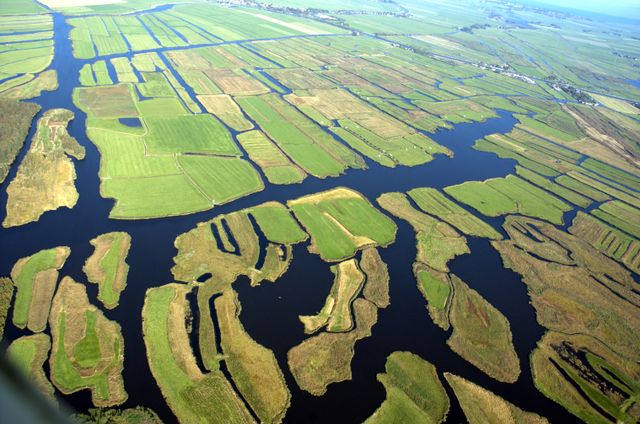
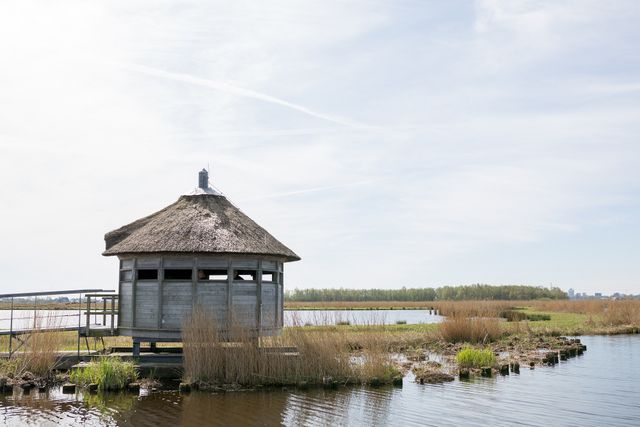
Much of the peat extraction can still be seen in the landscape. See, for instance, the many reeds. These grow abundantly in the old peat holes. Peat used to be extracted from these ditches and laid out to dry on the peat fields. Because of the high salt content, the peat was not suitable for households. The salt caused the peat to burn very quickly and hard, so it was mainly used by bakers and blacksmiths. Peat from the Ilperveld was also popular in the Baltic states. Traders here traded peat for pottery from the Baltic states.
Even today, the Ilperveld still knows its oni...
Much of the peat extraction can still be seen in the landscape. See, for instance, the many reeds. These grow abundantly in the old peat holes. Peat used to be extracted from these ditches and laid out to dry on the peat fields. Because of the high salt content, the peat was not suitable for households. The salt caused the peat to burn very quickly and hard, so it was mainly used by bakers and blacksmiths. Peat from the Ilperveld was also popular in the Baltic states. Traders here traded peat for pottery from the Baltic states.
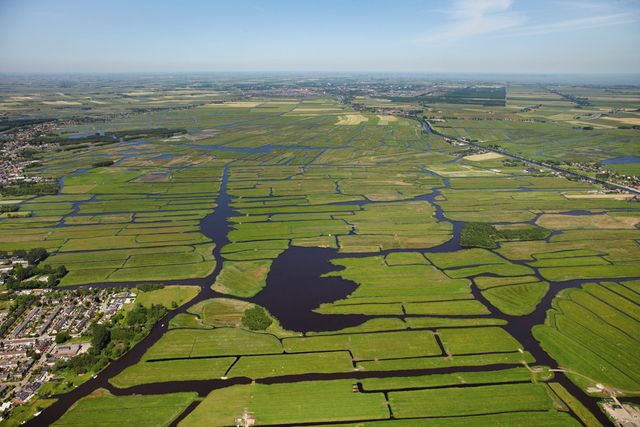
Even today, the Ilperveld still has its challenges. Landschap Noord-Holland is responsible for managing and maintaining the area, together with 15 farmers. As you can see, the peat meadow area is a swampy landscape. Meadow birds like black-tailed godwit, lapwing and oystercatcher, but also species like the root vole, bittern and butterflies love it. This landscape is rich in plants unique to Europe, such as rare peat mosses, peat heath and forest mushrooms. A lot of maintenance is needed to preserve this landscape. Without maintenance, the peat moor will slowly turn into forest. In some places, this can already be seen. At Zuiderschor, for instance. Here you can easily moor your rented boat at the landing stage and see for yourself what forest growth in the Ilperveld looks like. To keep the ground swampy, Landschap Noord-Holland's metal meadow mills pump water onto the land at a number of places in the area. These pools are also known as 'plas-dras'.
Preserving the Ilperveld is not only important for the meadow birds, there is something else at play. Peatlands store CO2. Dewatered peatlands emit a lot of CO2 and the soil subsides. Living peat can actually capture CO2 and allow the soil to grow again. Drought causes peat to sink as much as one centimetre a year. Besides CO2 emissions, subsidence brings another problem. Consider, for instance, damage to our infrastructure. The soil is subsiding, but our roads and houses are not subsiding with it.
Combating land subsidence is thus very important for the climate and poses a major challenge for nature organisations and governments. One way to combat this phenomenon is to grow new peat. This is easier said than done. After all, peat development requires a lot of water. At first glance, this does not seem to be a problem, everywhere you look in the Ilperveld you see water. Unfortunately, the sensitive organisms that make up living peat require water of a specific quality. Clean water is therefore vital for this area.
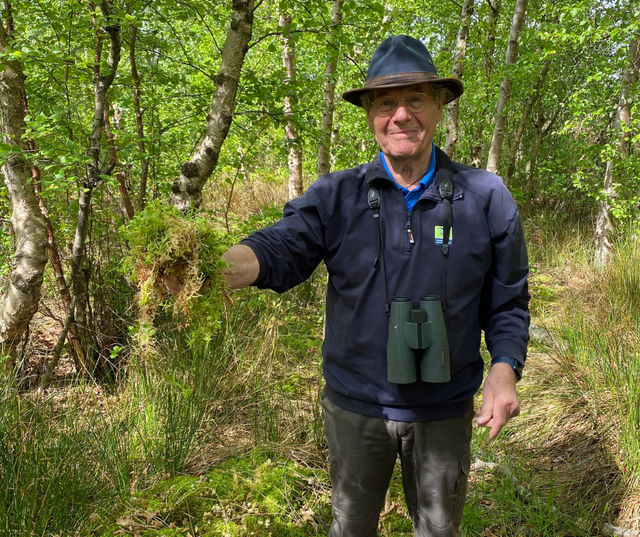
Peat, which makes up the soil, was built up over several centuries from plant remains (aquatic plants, reeds or trees). Landschap Noord-Holland conducts research into how to make the peat grow again in all kinds of ways. This also makes the Ilperveld a practical garden for peat growth. On the Bramble you can see beautiful patches of naturally-occurring peat moss. Here you can moor your boat and walk around the island. Gently feel the peat moss (pillows) and experience how much moisture the little plant can retain. The Bramble is a unique piece of Ilperveld. Around 1955, this floating island was not yet on the map. Over the years, it was slowly created by floating pieces of reeds, also known as krach or floating island, which grew together. Just jump carefully and feel the bottom undulate under your feet.
The Ilperveld is a unique area in Europe. Landschap Noord-Holland is doing all it can to preserve this nature reserve for future generations.
For more information on opening hours, visitor centre and bookings, visit www.landschapnoordholland.nl